
At a Glance
| Topic | Orientation |
|---|---|
| Early supports | Bamboo/wood slips, silk |
| Later support | Paper |
| Multiplication | Manuscript copying; woodblock and later print |
| Related craft | Calligraphy, characters, scholarly study tools |
| Parent | Chinese Literature |
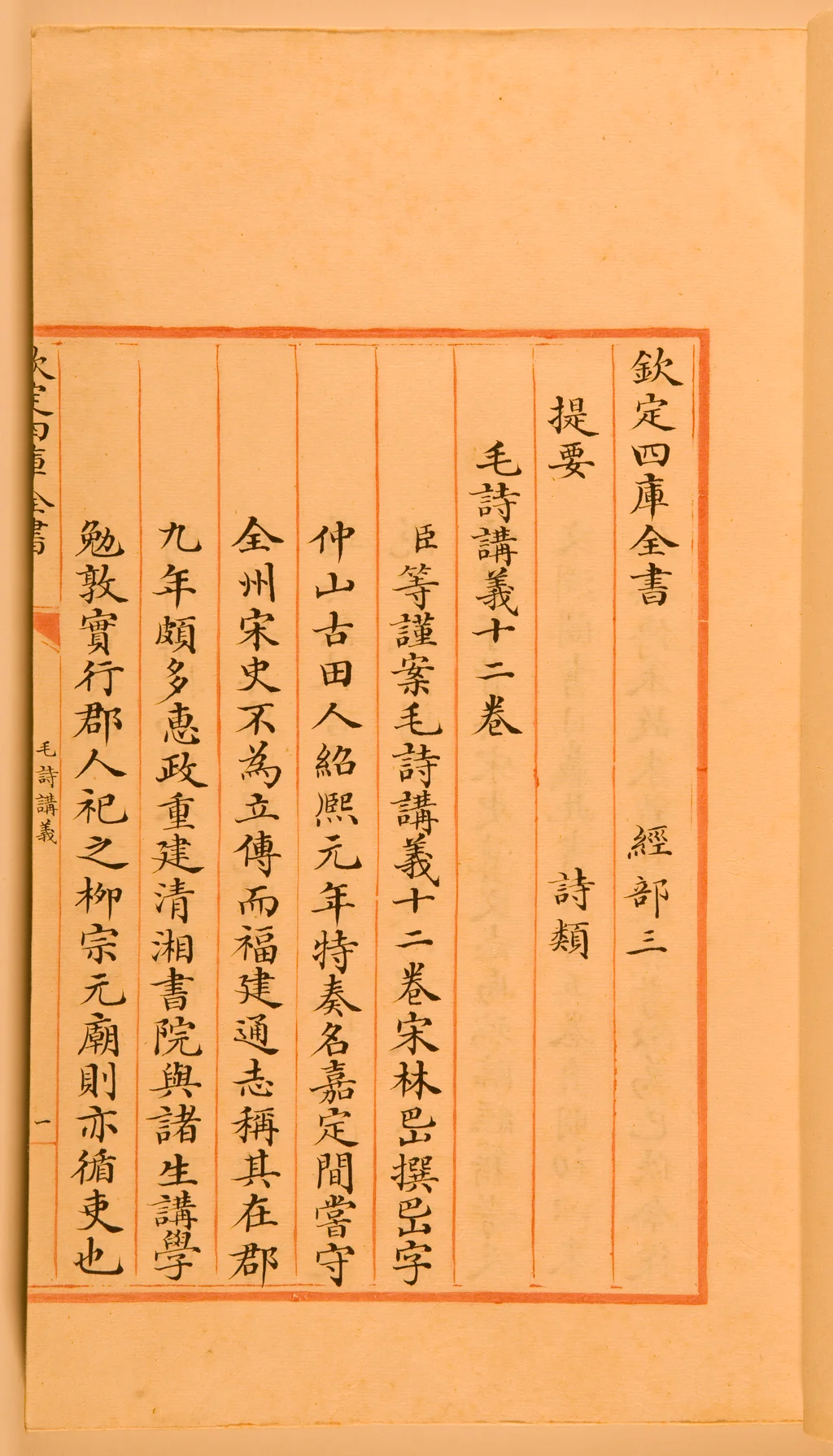
*Siku Quanshu page image. Public Domain via Wikimedia Commons. Resized by DragonTrail; non-generative.*
Texts Versus Books as Objects
A “text” can circulate across many physical copies. A “book” is a made object—bound, scrolled, printed or manuscript—with a conservation and collecting history.
From Bamboo and Silk to Paper
Supports change what can be stored and carried. Paper enables lighter, more portable book cultures without erasing earlier media in the archaeological record.
Manuscripts, Print and Imperial Collecting
Woodblock printing multiplies texts; imperial projects such as the Siku Quanshu dramatize collecting and categorization on a vast scale. This guide stays focused on book culture and transmission rather than a separate printing-history overview.
Scholar Tools and Writing Culture
Brush, ink, paper and inkstone connect to Four Treasures and calligraphy. Optional hands-on (not a rare-books class): hutong calligraphy experience.
Relation to Classical Literature
| Ancient books page | Classical literature page |
|---|---|
| Supports, formats, transmission | Genres, canon, literary forms |
| Imperial collecting as book culture | Literary value and reading traditions |
Manuscript Example
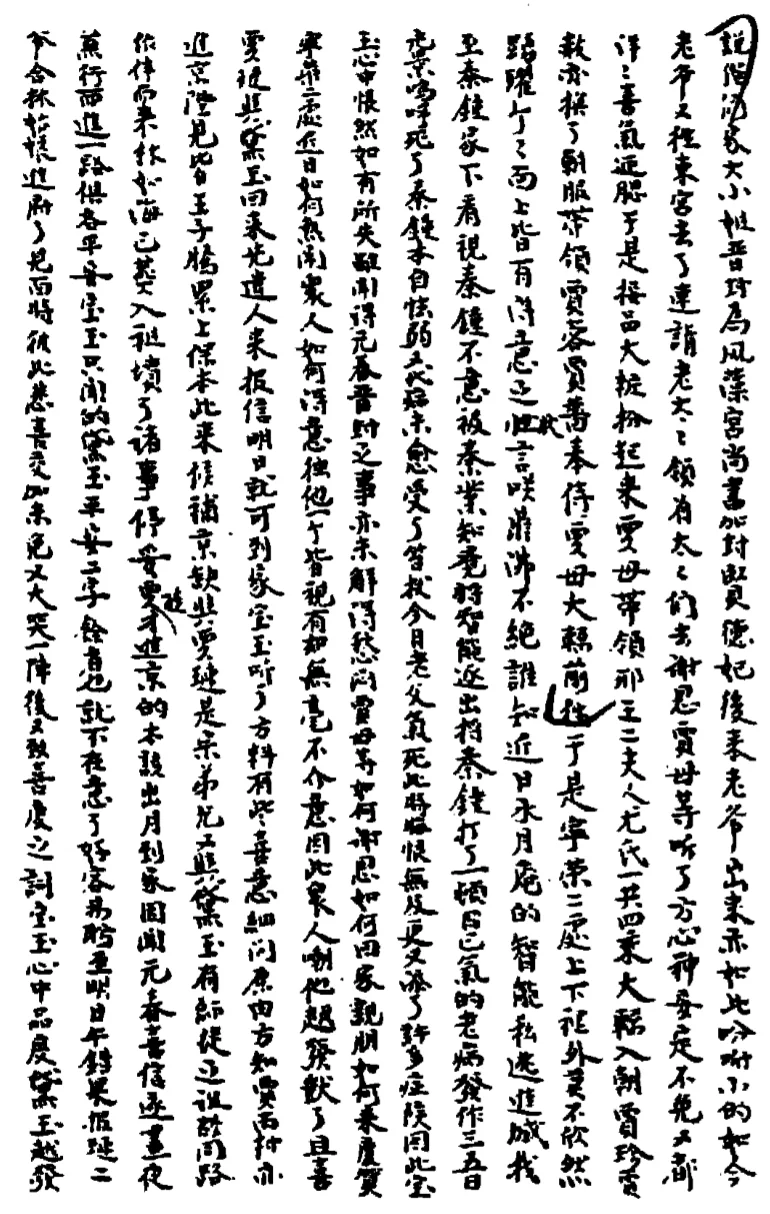
*Dream of the Red Chamber — Mengjue version page. Public Domain / Public Domain Mark via Wikimedia Commons. Resized by DragonTrail; non-generative.*
FAQ
Are the Four Great Novels ancient books?
They are early modern vernacular novels in Chinese literary history—famous books, not “ancient” in the early-corpus sense.
Did Cai Lun invent Chinese literature?
No. Papermaking history is not literary invention. Do not collapse material and literary origins.
Why Book Culture Matters for Travelers
Exhibitions of slips, manuscripts and rare editions explain how knowledge moved before digital search. Pair a rare-book gallery visit with Chinese Characters literacy context for denser looking.
Sources and Review
Book-culture orientation using open Siku and manuscript images; 2026-08-30.