
At a Glance
| Topic | Orientation |
|---|---|
| Scope | Premodern literary genres and canon culture |
| Language world | Literary Chinese as training and prestige medium |
| Related | Ancient books (material culture); philosophy (doctrine) |
| Parent | Chinese Literature |
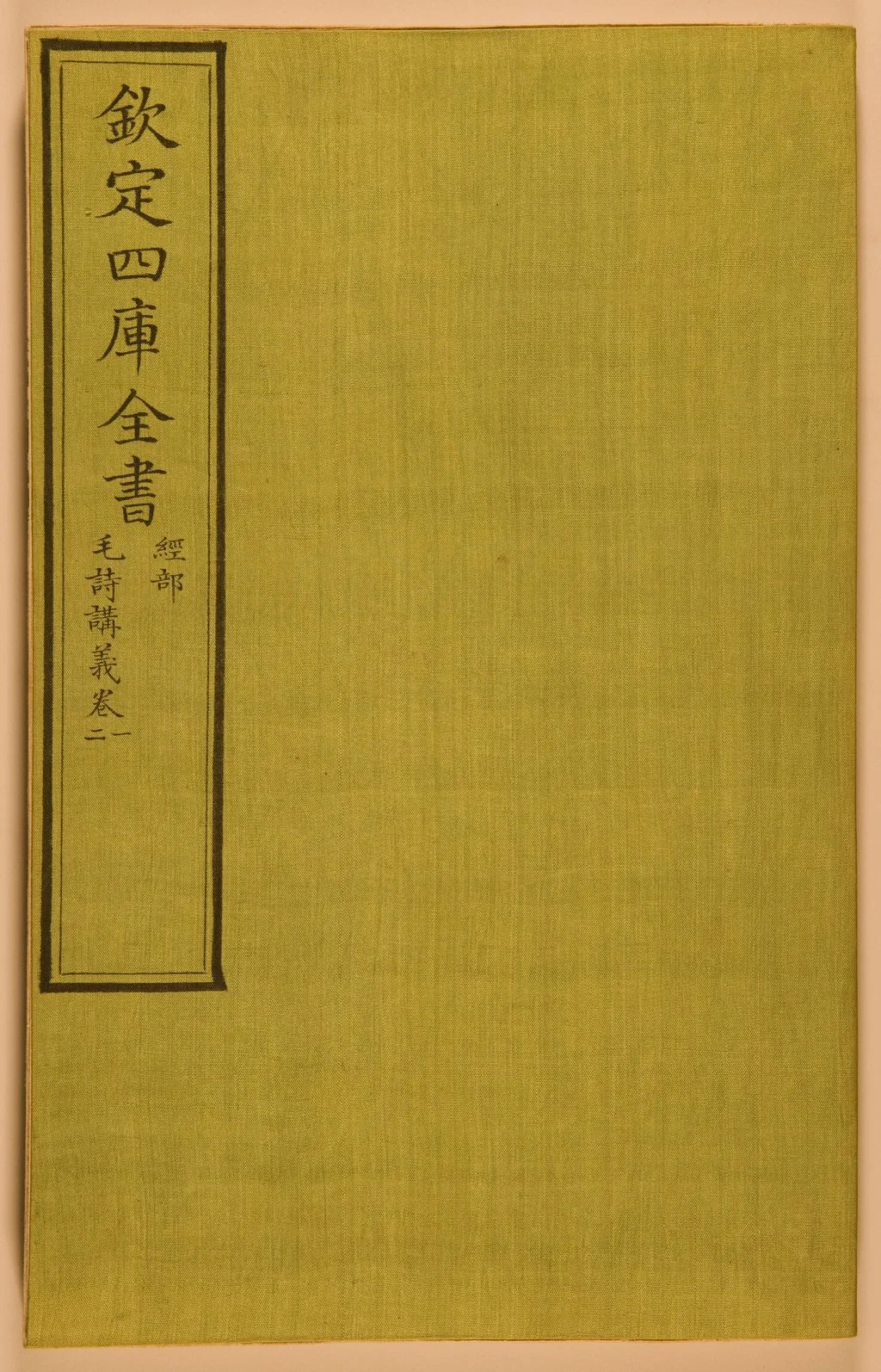
*Page from the Siku Quanshu (Complete Library in Four Sections). Public Domain via Wikimedia Commons / World Digital Library. Resized by DragonTrail; non-generative.*
What Classical Chinese Literature Means
“Classical” here means the premodern literary system travelers meet in museum labels, school anthologies and scholarly introductions—not a single anthology title. Genres include poetry, parallel prose, historical narrative, essays and other forms trained through shared models.
Canon and Education
A canon is a working set of prestige texts, not a sealed box. Confucian classics are central to textual education and moral discourse; literary anthologies and poetic models also shape taste. For doctrine, continue to Confucianism.
Major Genres Travelers Hear About
| Genre family | Traveler note |
|---|---|
| Poetry | High prestige across dynasties; Tang names dominate introductions |
| Historical prose | Narrative models for later fiction and drama |
| Philosophical prose | Literary and doctrinal at once |
| Drama | Later performance traditions expand story cycles |
| Fiction | Long vernacular novels rise especially in Ming–Qing |
Classical Language Versus Vernacular Fiction
Classical literary Chinese and later vernacular fiction coexist historically. Ming–Qing novels often use vernacular narrative while still quoting classical learning. See Chinese Novels.
Common Misconceptions
- Treating classical literature as only Confucian scripture
- Equating “classical” with “Four Great Novels”
- Assuming one exact start year for Chinese literature
FAQ
Is classical Chinese literature the same as ancient Chinese books?
Related but not identical. Classical literature is a genre/canon category; ancient books also emphasize material formats and transmission—see Ancient Chinese Books.
Where does poetry fit?
Poetry is one of the central forms of classical Chinese literature, with major traditions including shi and ci poetry. Tang poets such as Li Bai and Du Fu are among the names travelers most often encounter in museums, school texts and cultural references.
How does this connect to calligraphy?
Literary culture and calligraphy share brush, paper and character literacy.
Classical Literature and Traveler Museums
Museum labels may say “classics,” “literature” or “rare books” for overlapping objects. Ask whether the display is about literary genre, philosophical doctrine or physical book technology—then open the matching DragonTrail guide rather than forcing one page to answer all three.
Writing, Transmission and Scholar Culture
Classical literary culture depends on literacy tools and copying/print transmission. Optional secondary handoff to writing practice: hutong calligraphy experience—framed as brush culture, not a literature seminar.
Sources and Review
Paraphrased from standard literary-history orientation and imperial collection contexts such as Siku Quanshu documentation. 2026-08-30.