
Famous Chinese Martial Artists at a Glance
| Figure | Dates (approx.) | Main association | Why historically/culturally important | Evidence/legend caution |
|---|---|---|---|---|
| Yang Luchan | 1799–1872 | Yang-style taijiquan | Central to Yang-family taijiquan transmission | Avoid heroic anecdotes unless labeled as later stories |
| Dong Haichuan | 1797/1813–1882 (accounts vary) | Baguazhang | Key early association for baguazhang | Origin narratives vary in certainty |
| Huo Yuanjia | 1868–1910 | Jingwu / public martial culture | Public associations and modern martial culture | Separate documented influence from film drama |
| Wong Fei-hung | 1847–1924 | Hung Gar / southern cultural legend | Historical martial artist/physician + vast film persona | Do not recycle movie plots as biography |
| Sun Lutang | 1860–1933 | Taijiquan, xingyiquan, baguazhang | Practitioner-author linking internal arts discourse | Treat writings as historical sources, not myth |
| Ip Man | 1893–1972 | Wing Chun transmission | Twentieth-century Wing Chun teaching influence | Film depictions are dramatized |
| Bruce Lee | 1940–1973 | Global popularizer; Jeet Kune Do | Disproportionate role in global image of Chinese martial arts | JKD is not simply a traditional kung fu style |
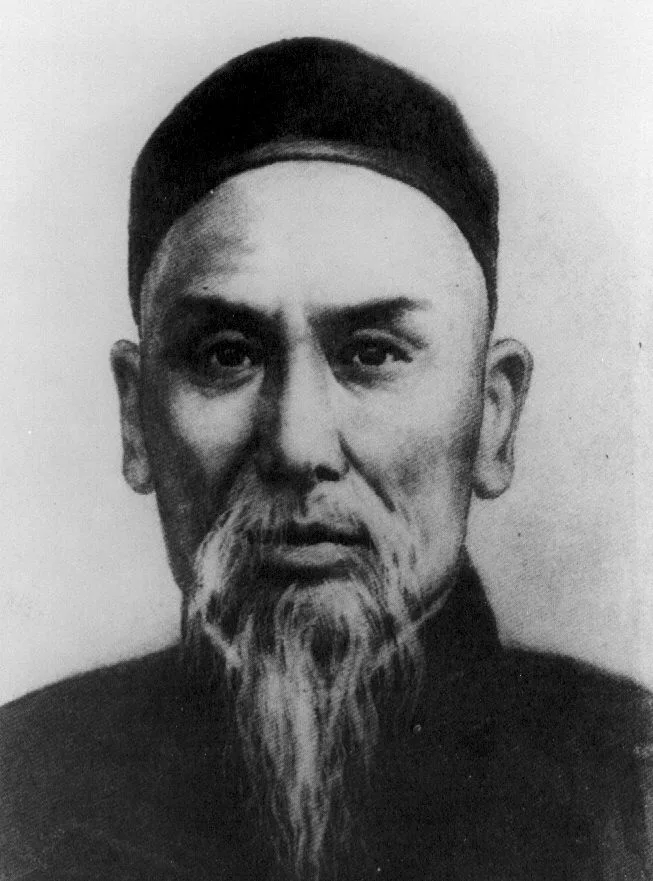
*Historical portrait associated with Yang Luchan via Wikimedia Commons — public domain. Modest display; no generative upscale. Portrait identity follows Commons attribution practice.*
What Does “Kung Fu Master” Mean?
In traveler English, “kung fu master” can mean a respected teacher, a lineage holder, a famous historical figure or a film character. Chinese honorifics and school titles do not map one-to-one onto English marketing language. Prefer specific names, places and lineages over vague “master” branding when evaluating a school.
Hub context: Chinese Kung Fu.
Yang Luchan — Yang-Style Taijiquan
Yang Luchan is the central historical figure for Yang-style taijiquan. Discuss him as a transmitter of a major taijiquan family system, not as a comic-book invincible hero. Taijiquan itself is a specific Chinese martial art (UNESCO ICH 2020)—see Kung Fu Styles.
Dong Haichuan — Baguazhang
Dong Haichuan is the standard early historical association for baguazhang. Origin stories around how he learned and taught the art vary in documentation quality; state uncertainty rather than inventing a tidy origin myth.
Huo Yuanjia — Jingwu and Public Martial Culture
Huo Yuanjia is important to late-Qing / early-Republican public martial culture and associations often linked with Jingwu. Popular film and television dramatize challenge matches and nationalist themes. Keep documented institutional influence separate from cinematic plot beats.
Wong Fei-hung — Hung Gar and Cultural Legend
Wong Fei-hung was a historical martial artist and physician whose cultural afterlife—especially through film—far exceeds ordinary biographical detail. Foshan remains a major place for travelers interested in his memorial/martial-culture landscape (Kung Fu in China). Do not treat movie serials as primary sources.
Sun Lutang — Taijiquan, Xingyiquan and Baguazhang
Sun Lutang matters as a practitioner and author who connected xingyiquan, baguazhang and taijiquan in modern internal-arts discourse. His writings helped shape how later generations talk about “internal” Chinese martial arts—without making those three systems identical.
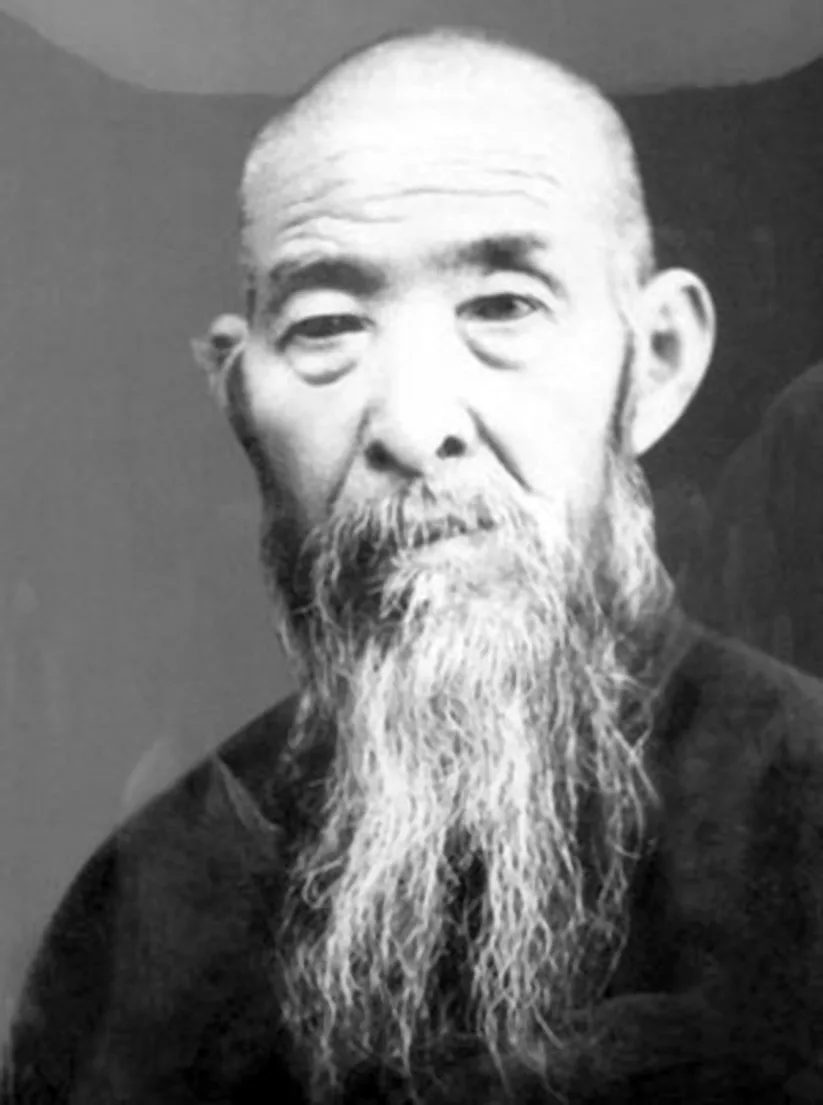
*Sun Lutang, circa 1930. Unknown author / Wikimedia Commons — public domain. Modest display; no generative upscale.*
Ip Man — Wing Chun and 20th-Century Transmission
Ip Man is central to twentieth-century Wing Chun transmission narratives and to global popular memory through film. Treat movies as dramatizations. For style orientation, see Wing Chun on the styles page.
Bruce Lee and the Global Image of Chinese Martial Arts
Bruce Lee was a martial artist, teacher, actor and global popularizer. He studied Wing Chun in his youth and later developed Jeet Kune Do, which should not be labeled simply as a traditional kung fu style. His cultural impact on what international audiences picture as “kung fu” is outsized relative to any single traditional lineage—and that is a film/culture fact as much as a martial one.
Legend, Film and Documented Biography
| Source type | Use for | Do not use for |
|---|---|---|
| Academic histories / manuals | Chronology, institutional context | Inventing missing biographical detail |
| Contemporary newspapers / association records | Public activity where available | Unverified challenge-match folklore |
| Film and TV | Cultural image and popular recognition | Ancient origin claims |
| School websites | Current offerings | Proof of sole authentic lineage |
History myths table: History of Kung Fu. Shaolin-specific legends: Shaolin Kung Fu.
Kung Fu Masters FAQ
What does “kung fu master” mean?
A respectful or popular label for a teacher, lineage figure or famous martial artist—not a universal official rank identical across China.
Who are some famous Chinese martial artists?
Examples with major cultural reach include Yang Luchan, Dong Haichuan, Huo Yuanjia, Wong Fei-hung, Sun Lutang, Ip Man and—globally—Bruce Lee. Many other regional teachers matter locally.
Who was Yang Luchan?
The key historical figure associated with Yang-style taijiquan transmission.
Who was Huo Yuanjia?
A late-Qing / early-Republican martial figure tied to public martial culture and Jingwu-associated memory; heavily dramatized in film.
Was Wong Fei-hung a real person?
Yes. He was a historical martial artist/physician; the film persona is a separate cultural layer.
Who taught Ip Man?
Ip Man’s Wing Chun teachers are discussed in lineage histories; film plots should not replace those accounts. For traveler purposes, focus on twentieth-century transmission and Foshan/Hong Kong cultural associations rather than movie chronology.
Was Bruce Lee a kung fu master?
He was a martial artist and teacher who became a global popularizer. Labeling him only as a traditional “kung fu master” flattens Jeet Kune Do and his media role.
Who founded kung fu?
No one. Chinese martial arts have no single founder. See History of Kung Fu.
Explore Styles and History
- Chinese Kung Fu hub
- History of Kung Fu
- Kung Fu Styles
- Shaolin Kung Fu (when temple lineages are the topic)
- Kung Fu in China
Sources & Review
- Peter A. Lorge, *Chinese Martial Arts* (Cambridge University Press) — chronology and caution against retroactive style labeling.
- Meir Shahar, *The Shaolin Monastery* — for Shaolin-related legendary vs documented claims.
- UNESCO Taijiquan ICH materials (2020) — for taijiquan as a specific living heritage art.
- Treat film biographies as cultural sources, not primary historical proof.
Last reviewed: August 2026