
Yabuli at a glance
| Detail | Plan |
|---|---|
| Where | Shangzhi, southeast of Harbin |
| Drive | About three hours, longer in snow |
| Season | Roughly late November to March |
| Better snow | Often January |
| Two ski days | Two nights at the resort |
| Not a substitute | China Snow Town or the Ice Festival |
Choose the ski days before you choose the hotels
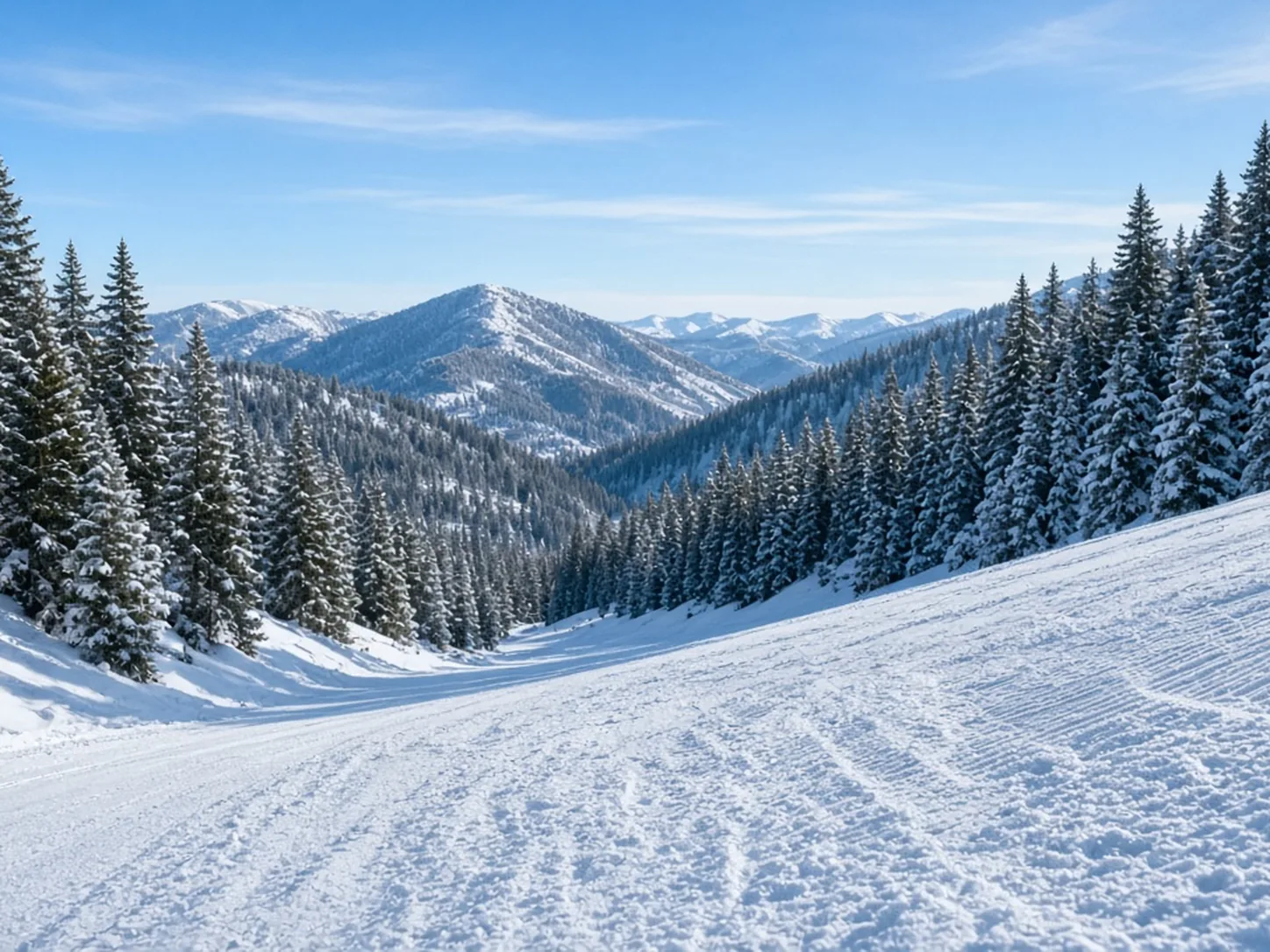
An itinerary for Yabuli is a decision about how many times you want to clip in, and where you sleep around those times. Everything else is a consequence. One session fits a long day from a Harbin hotel. Two sessions want two nights at the resort, usually arranged as three days with the travel on the ends. A pairing with China Snow Town wants still more days, and it wants them already available, not borrowed from a festival week that was full before you added the mountain.
Yabuli is in Shangzhi, southeast of Harbin. The winter drive is often about 2.5–3.5 hours. Hold the practical sentence: about three hours, longer when the road is slow. China Snow Town, in Hailin, is farther along a related southeast corridor, about 5–6 hours from Harbin, and it is a snow-village photo stay. Those two clocks do not share a day. Write them on separate lines before you fall in love with a tidy map.
The shapes below are the ones that survive contact with winter. They are also the shapes on Yabuli tours. If your spine is the Ice Festival and you only want skiing as one chapter, you are not required to abandon that plan. Harbin’s seven-day Winter Highlights trip already includes a Yabuli day. Use this page when skiing is the question that should move the hotels.
A ski day from a Harbin hotel
Sleep in Harbin. The night before, put gloves, goggles, socks, and any boot bag where a cold morning will not become a search. Eat something you can finish quickly. Leave early enough that a slow road still leaves a middle of the day on snow. “Early” is the whole craft of this shape. A late, pleasant breakfast is how a ski day turns into a drive with a short visit attached.
The car needs the Chinese name of the ski area and the hotel or meeting point, not only the word Yabuli. You are going to a specific base. Several mountains and villages in the area have been renamed over the years, and a wrong gate uses up the morning you woke up to protect. If you are renting, you want to meet the desk while it can still help you, not at the back of a weekend queue when the best surface of the day is already busy.
Ski the middle. For beginners that may mean a lesson and a contented stop. For intermediates it may mean a set of runs on whatever is groomed and open, with the honesty that not every piste will look Alpine-European. For a mixed group it means a meeting time for lunch and a pre-agreed moment when non-skiers are allowed to be done. Then you drive back. About three hours again, longer if the road or the holiday traffic says so. Dinner in Harbin should be the only evening plan.
This shape is a success when one session was the dream and tomorrow is empty. It is a failure when someone expected a full resort day, when a flight leaves that night, or when the wind holds the lifts and there is no second morning to recover. Know which of those you are before you set the alarm.
How the hours of a day trip actually go
Picture a generous version, not a fantasy. You leave the Harbin hotel in the early morning, while the city is still sorting itself out. The drive takes about three hours. You arrive, you rent or you clip into your own boots, and you ski through the middle of the day. You leave with enough light, or at least enough caution, to make the return a drive rather than a ordeal. You are back in the city in the evening, tired in the legs and in the eyes.
Now picture the ordinary version. The departure slips. The road is slow. You reach the base later than the group chat predicted. Rental boots take time because the first pair is wrong, which is a normal event, not bad luck. You ski fewer hours than the poster implied. A wind hold borrows another hour. The drive home stretches, and the restaurant you liked has stopped serving by the time you have dropped the bags. Everyone is fine, and nobody calls it the fullest ski day of their life. That ordinary version is the one to plan.
The fix is not a more heroic pace on the snow. The fix is an earlier car, a simpler evening, and a group that agrees the day trip is a taste. If the ordinary version sounds frustrating, you want the two-night shape instead. Reading this paragraph before you book is the point of an itinerary. The mountain will not renegotiate the highway.
Non-skiers on this day are in the car, then at the base, then in the car. If that is not a day they would choose, leave them in Harbin with a real plan of their own and meet at dinner. A resort base will not entertain them for the hours you are skiing. The day trip makes that even starker, because there is no relaxed hotel morning on either side.
Two ski days want two nights
Two sessions and a Harbin bed on both nights mean four drives: out and back, out and back. Each one is about three hours, longer when the road is slow. You will spend more time sitting than skiing, and the second dawn will feel like a commute. Some very keen skiers still do it. Most groups who try it once do not recommend it. The itinerary that respects two ski days puts two nights at the resort.
Those two nights are usually held inside three days. Day one is the transfer out and a calm arrival. Day two is the full ski day. Day three is a shorter second session and the transfer back. You can flip the emphasis if a storm suggests it, skiing more on day three and less on day two, because you are already there. What you should not do is arrive at midnight and call the next morning both your recovery and your only full day.
The nights also give you a spare weather window. Wind can hold lifts on the morning you wanted most. If you are driving back to Harbin that same afternoon, the hold is the trip. If you have another dawn on site, the hold is an annoyance and a long breakfast. That difference is the strongest argument for the overnight, stronger even than comfort. Comfort matters too: a warm room, dry gloves, and a walk to the base that you have already learned.
Confirm which ski area the hotel sits under, and whether the morning is a walk, a shuttle, or a short drive. Two nights in the wrong base means two mornings of surprise transfers. Ask before you lock the room. Do not assume any named hotel is ski-in ski-out because the photos show a slope.
Three days and two nights, in order
Day one starts in Harbin after a night you already had, or after a flight that landed early enough to leave in daylight. Eat lunch in the city or carry it. Depart so that “longer when the road is slow” still brings you to the hotel before the evening is gone. Check in, find the rental shop even if you will not rent until morning, and walk the route you will use at dawn so the first ski morning is not a navigation exercise. If the road was slow and you arrive late, let day one be a transfer. A frantic night ski is not hiding in the schedule.
Day two is the day you came for. Breakfast, boots, and the hill near opening if you care about surfaces. Beginners go to a lesson. Everyone else skis what is open and in shape, and lets a scraped run be a reason to change chairs rather than a reason to sulk. Lunch is a set place and a set time, shared with non-skiers if they want it. The afternoon continues until cold, fatigue, or a hold says stop. The evening is quiet on purpose. Dry the clothes. Look at the next morning’s sky and go to bed.
Day three is a second session with an exit. Ski the morning if legs and lifts agree. Eat. Depart toward Harbin with a return that does not collide with a flight or a must-do city evening. If the wind ruined day two, this morning becomes the important one and the departure slides later, which is why the Harbin night after day three should be empty enough to flex. Two ski days, in this shape, means one full day and one honest shorter day. That is enough. Stretching day three into another full day plus a late highway is how the drive becomes the memory.
How to choose
| Choice | Fit | Skip when |
|---|---|---|
| Short | The sampler | Only if Yabuli is a hinge, not the point |
| First stay | The default | When you want the main sights without a second region |
| Longer | One add-on | When a single extra place is worth another night |
Who this pace is for, and who should shorten it
The three-day pace fits intermediates who want time on snow, beginners who deserve a lesson that is not rushed, and families who may stop early and should not then face a three-hour drive in a wet jacket. It fits a keen skier traveling with someone who will read, soak if the hotel has a soak, and walk once. It is too much resort for a non-skier who wanted streets, and too little mountain for someone trying to turn a whole week into training. For a short winter visit, two sessions are a complete idea.
Shorten it to the Harbin day trip when only one person is keen, the group’s hotels are already in the city, and everyone accepts the double drive for a single taste. Lengthen it only when you truly want a third ski day, which means another night, not a later taxi. A third day is a luxury of time and of weather. It is not required to “do Yabuli properly.” One well-timed day can be proper. Two nights make it kinder.
Festival travelers should shorten rather than stack. If Ice and Snow World, a city walk, and a ski day all matter, the ski day is the day-trip shape or the single day already written into Winter Highlights, and the nights stay in Harbin. Borrowing two resort nights out of a four-day festival trip deletes the festival. The Harbin guide is where that shorter combination belongs. This itinerary is allowed to say that a ski-first three-day block and a festival-first week are different trips. Neither cancels the other.
Pairing the mountain with China Snow Town
Add the village only when the trip already has enough days, and when the group includes skiers who also want the wooden houses. That is a different person from a first-time festival traveler, and a different person from a photographer who does not ski. The third shape — Yabuli plus Snow Town — is for the first of those. It is not a way to taste every famous winter name before Thursday.
Geography keeps them apart. From Harbin, Yabuli is about three hours, longer when the road is slow. Snow Town is about 5–6 hours. They sit on a related southeast corridor, which is why a map looks tempting, and the stretch between them is still its own winter transfer. You do not ski a full day and then stroll into the village for lantern hour. You finish one place, you sleep, and you travel.
A workable order depends on flights. One version is Harbin, then two nights at Yabuli, then a transfer day toward the village, a night among the houses, and a return to Harbin that is not also a flight morning. Another is the village first, then Yabuli, then the city, if that faces your tickets more cleanly. The rule is the nights, not the slogan. Each place gets a sleep that belongs to it. The road gets daylight if you can offer it.
Read Snow Town getting there before you draw the village day, and read China Snow Town for what the overnight is for. Those pages own the village. This page only refuses to fold it into a ski afternoon. If the combined trip is also trying to be a full Ice Festival week, it is too heavy. Drop the festival down to a city night or two, or drop one of the outings, or add days until the roads have somewhere to sit.
What the combined days have to include
Count in blocks, out loud. A ski block of three days and two nights. A village block of at least one overnight, with its long approach. A Harbin night that is not pretending to be a transfer. Any ice-park evening you still refuse to give up. Put them in a row. If the row collides with the days you actually hold, remove a block before you remove sleep.
A sample that stays honest, for skiers who also want the village and are not chasing a full festival week, might look like this. One night in Harbin to land and gather bags. Two nights at Yabuli, with the full ski day in the middle and a shorter second session. A daylight transfer toward Snow Town and a night there. A return to Harbin with nothing required that evening except dinner. A departure the next day. That is already a substantial winter, and it has not included a serious ice-park program. Adding the parks means adding nights in the city on purpose, or accepting that one park evening replaces something else.
Do not hide a second long drive inside “afternoon travel.” If the clock says the car must leave at dusk to make a check-in, the itinerary is wrong, not the driver. Shift a night. Lose a ski hour on the departure morning. Arrive at the village in time to walk while you can feel your feet. The photos you wanted are useless if everyone is only thinking about the heater.
Yabuli tours is the place for the ski block and for the ski-plus-village shape when the days are real. Harbin tours remains the place for festival shapes that merely include a Yabuli day. Using both labels on one overloaded week does not create extra hours of daylight.
Where a festival week already puts its ski day
Harbin Winter Highlights, the seven-day shape, already includes a Yabuli day inside a festival trip. The usual idea is simple: city and ice have their nights, Snow Town has its overnight if that shape is the one you chose, and Yabuli appears as a day on the road rather than as a two-night ski holiday. That is coherent. It gives you one session, the double drive, and the rest of the week for the reasons most festival travelers flew.
Do not “upgrade” that day into two resort nights without taking the nights from somewhere. If you take them from Snow Town, you may be skipping the village you saw in the brochure. If you take them from the city, you may miss the park evening that justified Harbin. If you add them on the end, you have a longer trip, and you should say so. The Highlights plan is not a mistake this ski itinerary has come to correct. It is a festival plan with a taste of skiing. Keep it when that sentence is you.
When the sentence stops being you — when the group would be happier with two full sessions and a quiet resort evening than with another illuminated park — move the spine. Build the three-day ski block first. Add the village only with the spare days. Let Harbin be the airport and a single night. You will ski more, and you will see less ice. That is a fair trade only if you name it.
Weather days and the art of switching
Every version above assumes the lifts might hold. Write a switch into the plan so nobody has to invent it while cold. On a day trip, the switch is: wait a defined time, ski what is open, then return to Harbin without adding a new evening goal. On a two-night stay, the switch is: move the important session to the other morning, and let the bad morning be the walk, the meal, and the drying of gloves.
On a combined Snow Town trip, the switch is never “drive to the other place today and ski after.” The switch is to stay put, use the spare night you already booked, and move the transfer by half a day if the road itself is the problem. A slow highway is a reason to leave sooner, not a reason to leave later and hope. If forecasts look ugly for the transfer morning, go after breakfast while you still have light.
Beginners should switch more readily than experts. A lesson on a bitter, held-lift morning can become a shorter indoor-and-outdoor class, or it can move to the next day if you have one. Forcing the full curriculum in a wind shelter teaches very little. Intermediates can ski lower terrain and call it a day without apology. The itinerary succeeds when the group gets one good session, not when every blank on a spreadsheet is filled.
Hand the group one page they agree to
Before anyone books, the group should be able to repeat a short version. We are day-tripping from Harbin, leaving early, skiing once, and doing nothing else that night. Or: we have two nights at a named ski area, a full day, a shorter second morning, and a calm return. Or: we have those two nights, plus a separate Snow Town overnight, and we are not also trying to complete a full ice week.
Add the names that prevent confusion. The hotel. The ski area it sits under. Who rents, who brings boots, who does not ski, and what that person will do. The station, if a train is involved, confirmed against the pickup. The fact that the drive is about three hours, longer when the road is slow, and that Snow Town is a different 5–6 hour problem.
If the group cannot repeat it, the itinerary is still a pile of wishes. Cut a place and try again. Yabuli is worth a clear yes. It is a tiring extra when it is only a word on a poster beside ice and wooden houses. Choose the sentence, then let the days follow it, and keep Yabuli tours for the version that puts skiing first.
Ways to plan the days
These shapes match the Yabuli tours page. They are starting points, not fixed departures.
Ski day from Harbin
Time fit: 1 day
Possible, and the drive both ways is the cost.
- Yabuli
- Ski day from Harbin
Why choose it: Possible, and the drive both ways is the cost.
Two ski days
Time fit: 3 days
Two nights at the resort so the second morning is on snow.
- Yabuli
- Two ski days
Why choose it: Two nights at the resort so the second morning is on snow.
Yabuli and Snow Town
Time fit: 5+ days
Only when the village and the skiing are both the point.
- Yabuli
- Yabuli and Snow Town
Why choose it: Only when the village and the skiing are both the point.
Want help shaping the Yabuli days?
Tell us your Harbin dates and whether this is a ski trip or a single day inside a longer winter. We will not fold Yabuli into a Snow Town morning.
Keep planning
Yabuli
Confirm which base the hotel sits under. Rental boots vary, wind can hold lifts, and non-skiers need a plan.
The winter drive from Harbin is about three hours. A train still needs a transfer at the far end.
Late November to March is the season. January is the more reliable snow, and holidays are the crowded weeks.
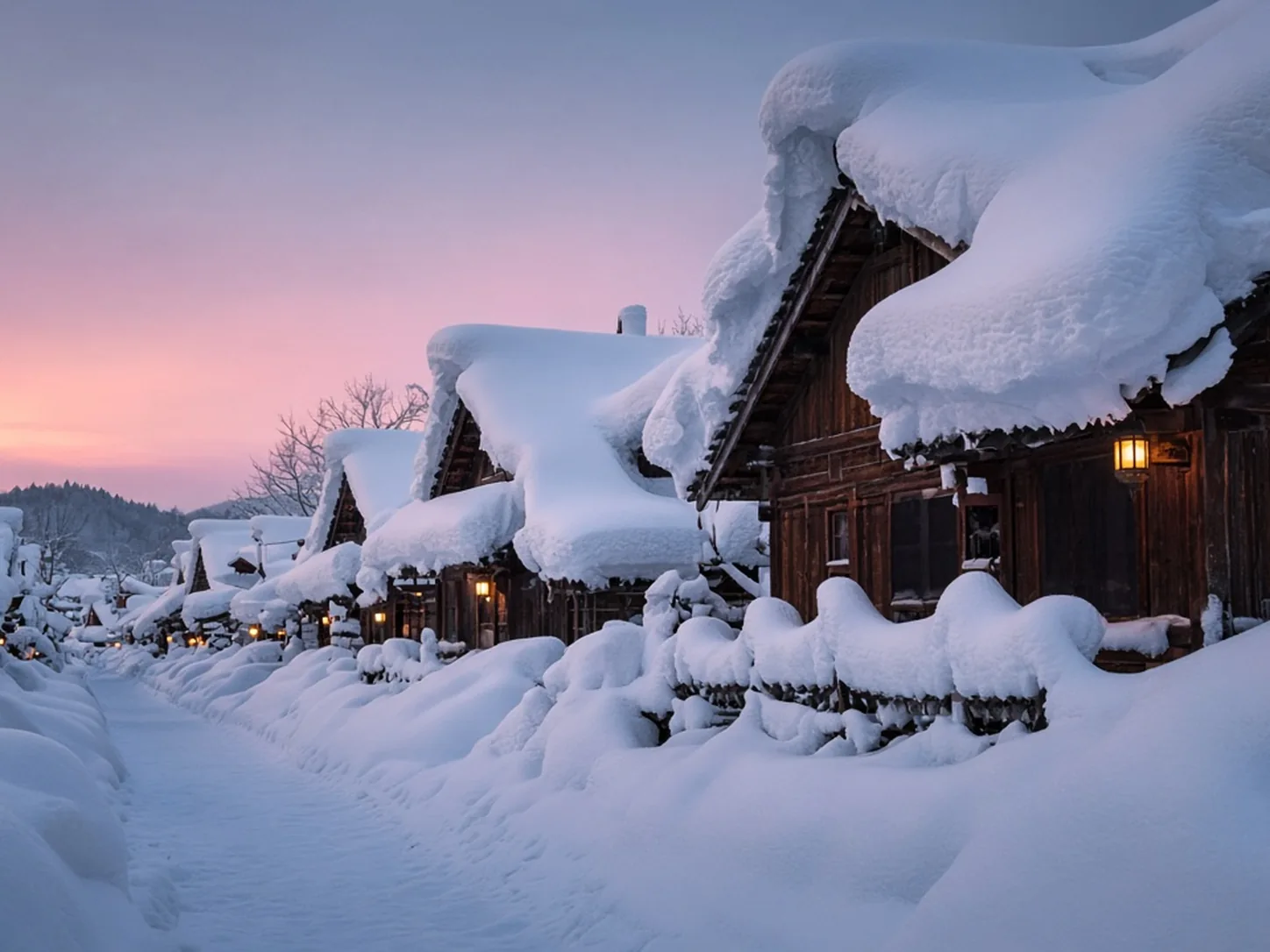
Skiers and mixed groups belong here. People who wanted snow-village photos belong at China Snow Town.
Compare a Harbin ski day, a two-night resort stay, and a longer trip that also includes China Snow Town.
Questions people ask
- Yes, for one session. You leave early, you drive about three hours, longer when the road is slow, you ski the middle of the day, and you drive back for a quiet evening. That shape is a taste, and it is a good taste when the rest of the trip belongs to the city. It becomes a poor plan if you want two sessions, because repeating the round trip on back-to-back days spends more time in the car than on snow. It is also a poor plan beside a same-day flight or a must-see festival evening. If the ordinary version — a slower road, a rental queue, a shorter ski — would disappoint you, book two nights at the resort instead of hoping for the generous version.
- Day one is the daylight drive from Harbin and a calm arrival, finding the base so morning is easy. Day two is the full ski day, with lessons or rentals at opening and a quiet evening to dry gloves. Day three is a shorter second session and the drive back, timed so the Harbin night is not a scramble. If wind holds the lifts on day two, day three’s morning becomes the important one, which is why that return should have slack. This is the pace that makes two ski days feel like skiing. Arriving at midnight and expecting both a recovery and a full day is a different, thinner trip wearing the same night count.
- Give the village its own overnight and its own road. It lies farther along the southeast corridor, about 5–6 hours from Harbin, and the way there is described in Snow Town getting there. Do not leave Yabuli after a full ski day and expect a relaxed village evening. A clean pattern is two resort nights, then a daylight transfer, then a night among the houses, with Harbin as the gateway rather than as a third full program. This pairing is for skiers who also want the village. It is not the add-on for a first festival week that is already full of parks. If the days are not there, choose one place.
- No. Winter Highlights is a festival trip that includes a Yabuli day, and that is a coherent choice when ice, the city, and a single ski taste are the brief. This itinerary does not replace it. Use the Harbin shape when you want that mix, and use a two-night Yabuli block when skiing is the reason for the trip. Upgrading the Highlights ski day into two resort nights means taking those nights from the city, from Snow Town, or from extra days you must add on purpose. Name the trade. Both plans are right for different questions, and only one of them should be yours this winter.
- Cut the place that is not the reason you booked the flight. If nobody will be sad to miss the lifts, drop Yabuli and keep Harbin or Snow Town. If the wooden houses were a poster and the skiers are the ones who pushed for the trip, drop the village before you drop a resort night. If the ice parks are the reason relatives agreed to come, keep the festival shape and let skiing be one day, or skip it. What you should not cut is sleep, and what you should not cut is the gap between long drives. A fuller list with later departures and shorter nights is how winter trips become tiring stories about the highway.
- Decide the backup before you leave Harbin. On a day trip, wait a set amount of time, ski whatever is still open, and go back to the city without inventing a new evening goal. On two nights, move the important skiing to the other morning and let the bad morning be rest. On a trip that also includes Snow Town, stay put rather than driving to the second place in the hope of skiing after the transfer. A slow road means leaving earlier in the day, while light remains. Beginners should move a lesson rather than force it in a wind shelter. One good session is a successful itinerary.
Plan a Yabuli visit
Share whether anyone is skiing, how many ski days you want, and if Snow Town is also on the list. We reply with a resort plan that does not pretend the drive is short.