
Yabuli at a glance
| Detail | Plan |
|---|---|
| Where | Shangzhi, southeast of Harbin |
| Drive | About three hours, longer in snow |
| Season | Roughly late November to March |
| Better snow | Often January |
| Two ski days | Two nights at the resort |
| Not a substitute | China Snow Town or the Ice Festival |
Who this mountain suits
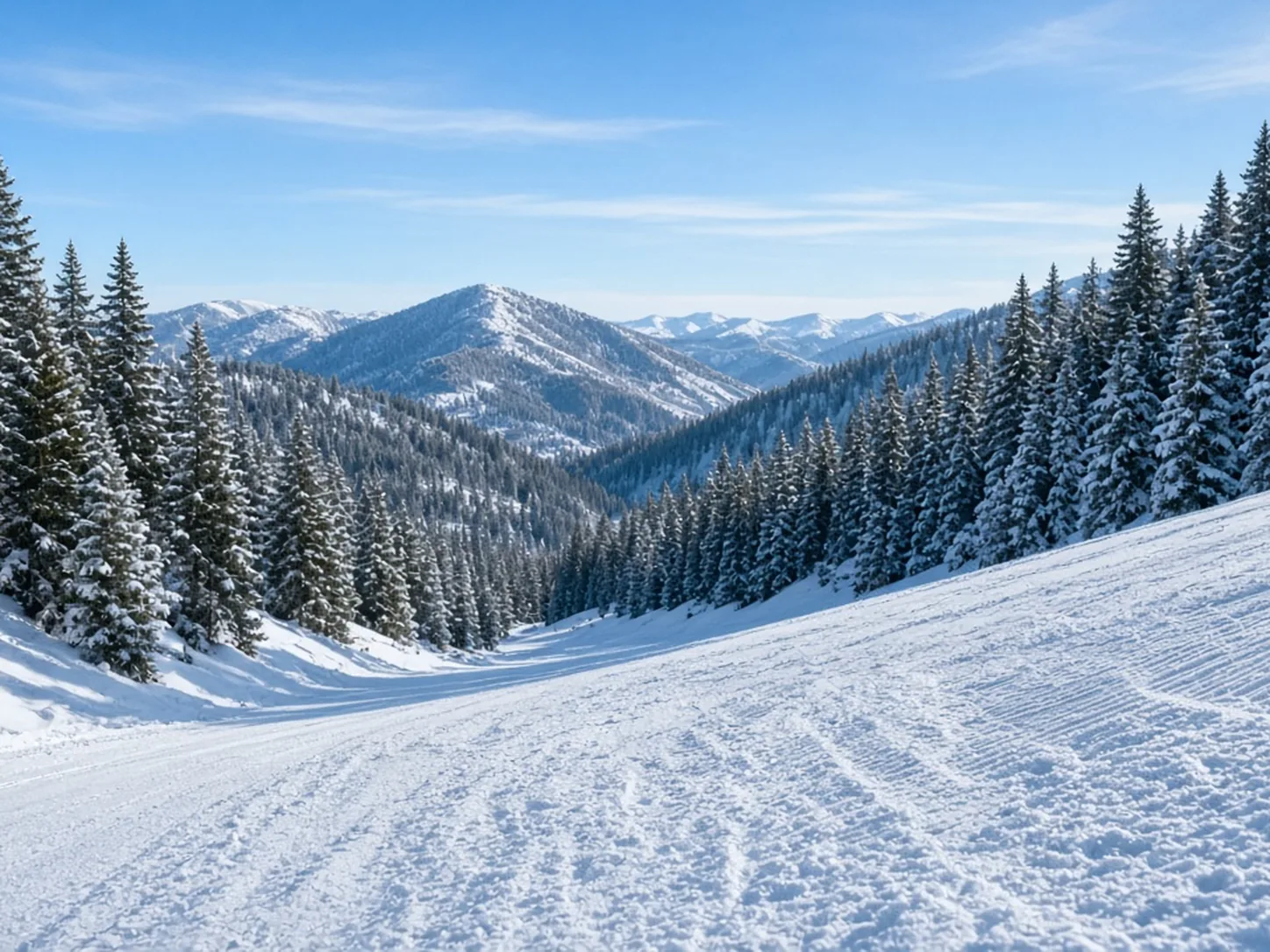
Yabuli suits travelers who want a real ski day in northeast China and who have already accepted the winter that comes with it. It is the country’s best-known large ski area, in Shangzhi, southeast of Harbin, and it was a venue for the 1996 Asian Winter Games. That reputation fits beginners who want a lesson and rental gear, intermediates who want mileage, and stronger skiers who are happy with a short, cold stay. It is a poor fit for anyone whose picture of the day is a walkable alpine village with dinner choices on every corner.
The mountain is large enough that a mixed group does not have to ski the same terrain all day. It is not so conveniently urban that the non-skiers can invent a city afternoon while you are out. Read the base as a resort area that has grown across more than one mountainside over the years. Your hotel might sit under a different operation from the one in a friend’s photos. Confirm which ski area the hotel actually faces before you treat the gallery as a plan.
Bring expectations from the weather, not from a European piste map. Wind can hold lifts. Surfaces vary. Altitude is modest, so the limiter is exposure, not thin air. If that description sounds like a good winter day, you are in the right place. If it sounds disappointing, the Harbin guide or China Snow Town may match the trip you actually saved pictures of.
A first day on rented gear
Beginners can rent on site. For a first day, that is the normal path: you do not need to fly with skis, and you do not need to own boots you have never used. What you do need is time at the desk. Rental boot quality varies from pair to pair. A shell that looks right on the shelf can pinch, heel-lift, or go numb once you are buckled the way you will actually ski.
Wear one pair of socks, the thickness you mean to ski in, and put them on before you start trying sizes. Two thick pairs stuffed into a boot feel warm for ten minutes and then cut circulation. Stand up, flex forward, and walk long enough to know whether a heel lifts or a shin screams. If the answer is uncomfortable, go back. An hour of pride in the wrong boot becomes a day of standing in the lodge.
Ask about a lesson in a language you can follow, and arrange it for the morning rather than hoping the desk can produce someone when you are already late. Many visitors manage short transactions with a translation app. A first lesson is not a short transaction. You want someone who can tell you why you are tipping, not only where to stand. If an English-speaking instructor is important, say so when you arrange the day. Do not treat it as a guarantee that every shift can offer it.
The goal of a first day is stopping, turning at a modest speed, and getting inside before anyone is miserable. It is not a tour of the whole area. Gentle terrain and a patient repetition will teach more than a long ride to a slope you are not ready to ski down. Quit while the group is still willing to come back tomorrow. On a one-day trip from Harbin you may not have a tomorrow, which is why beginners often do better with a night at the resort and a lesson that starts at opening.
Skiers who already know how
If you ski every winter somewhere else, Yabuli can still be a satisfying day or two. You will find pitches that let you link turns, and you will find easier ground when the wind or the snow pushes you downhill in the area’s layout. What you should not bring is a requirement that every run look like a freshly groomed Alpine-Europe piste. Some slopes will be even and enjoyable. Some will be firm, scraped, or pushed into piles by traffic and by machines that have not yet made another pass. Ski the snow that is good that morning.
People who care about their skiing, and who are particular about boots, should travel with their own. A rental boot can be fine. It can also be packed out, oddly shaped, or a half size away from the fit you trust. Skis are easier to rent for a casual trip than boots are. If the boot bag is the piece of luggage you are tempted to leave at home to save hassle, that is the piece that most often decides whether the day feels like skiing or like endurance.
Give yourself a short first loop after you clip in. Cold plastic, a new pair of skis, and a crowded morning are a clumsy combination. Once you know how the snow feels underfoot, you can decide whether to stay on the groomed ground that is working or to explore. Published trail maps go out of date, and this guide will not invent one. Use the map at the base, watch which lifts are actually spinning, and ask a patroller or an instructor if a run is closed. Local knowledge on the morning beats a screenshot from a previous winter.
Strong skiers sometimes worry the area will be too small. For a one- or two-day stay, the more common limit is weather and daylight, not a lack of something to ski. A wind hold can shrink the mountain to whatever is still open. Build that possibility into the mood of the day. The skiers who enjoy Yabuli are the ones who came for a cold, famous, imperfectly groomed mountain and then skied what was running.
Snow, grooming, and the day you get
Snow quality follows the month and the weather of that week. The season runs roughly from late November into March, and the more reliable cover is often in January. Early and late weeks can be perfectly skiable, or they can be a thinner operation with more man-made surface and more bare edges. Ask, close to travel, what is open. A photograph from a powder week is not a forecast.
Grooming is a daily fact, not a brand promise. Overnight work can leave a pleasant corduroy on popular slopes, and by afternoon those same slopes can be cut up. Weekends and holiday periods add traffic. If even surfaces matter to you, ski earlier in the day and be willing to repeat a run that is in good shape instead of collecting every line on the hill. Repeating a good slope is a skill, not a failure of curiosity.
Ice, soft piles, and a sudden firm patch under a wind-scoured crest are all normal. Ski in control on the first descent of anything you cannot see. Northeast cold keeps snow from softening the way it might on a sunny afternoon farther south, until a warmer March day suddenly does the opposite and the surface turns heavy. Dress and tune your expectations to the month you booked, then adjust on the morning itself.
Visibility can drop in falling snow or in wind-blown surface snow. Goggles matter more than sunglasses on those days, and a lens that works in flat light is worth more than a fashionable one you cannot see through. If you cannot see the snow, slow down. The mountain will still be there after the squall. A heroic run in a whiteout is how groups lose the rest of the day to one person sitting in the lodge with a sore knee.
When the wind holds the lifts
Wind is the operational fact that surprises people who have only skied in calmer ranges. Lifts can hold even under a blue sky. They can restart, hold again, and restart. From the base this feels arbitrary. From the chair it is a safety choice. You cannot argue a held lift into motion, and you should not plan a once-in-a-lifetime run that depends on one exposed ride spinning all afternoon.
Treat a hold as part of the day you might have. Eat something, warm up, and decide how long you are willing to wait. An hour is a delay. A whole morning can be a different plan: ski what is still open, take the lesson on the ground that is running, or go back to the room if the group is done. On a day trip from Harbin, a long hold is especially frustrating, because the road already took the edges of the day. The drive is about three hours, longer when the road is slow, which leaves you less slack to wait.
On a two-night stay you have another morning. That spare session is the practical answer to wind. It is why skiers who care about getting at least one full day should sleep at the resort instead of betting everything on a single afternoon. Check conditions when you wake, not only the night before. A calm evening does not promise the lifts will run.
Tell non-skiers about holds before they happen. If the plan was “meet at lunch,” a stopped mountain can move lunch earlier or erase it. Agree a place and a backup time in the morning, and do not rely on a phone call from a windy lift line. Batteries fade in the cold, and signal on the hill is not a city signal. A simple meeting rule beats a chain of unread messages.
How to choose
| Choice | Fit | Skip when |
|---|---|---|
| Make this the focus | When this page is the reason for the day | When it is only a name on a list |
| Pair it | With one nearby stop | With a second full excursion |
| Leave it | If the main stay is already full | If you have the night it needs |
Cold, with modest altitude
You will not be managing altitude sickness here. The height is modest, and the air is not the air of the high west. What you are managing is cold that gets into stops, lift rides, and the walk from the car. January days are often far below freezing, and wind makes standing still the hardest part. People who felt fine on a Harbin street, ducking into shops, are surprised by twenty minutes on an open chair.
Dress for the chair, not for the walk from the hotel door to breakfast. A windproof shell, a real midlayer, and a base layer that stays dry are the minimum. Cover your neck and face. Put a hat under the helmet. Keep a dry pair of gloves available, because wet gloves in this cold stop being gloves. Chemical warmers help fingers and toes if you start them in a warm pocket; they do little if you unwrap them in the wind and hope. Sunglasses are a bright-day tool. Goggles are the tool when snow is blowing.
Go inside before you are in trouble. Numb fingers, a quiet child, or a patch of white skin on a cheek are reasons to stop, not badges. The lodge and the hotel are the safety system. Hot drinks help. So does a proper lunch, eaten sitting down, with gloves off long enough to know your hands still work. Alcohol at altitude is irrelevant here; alcohol in hard cold still makes people sloppy and colder later, so save it for after you are done skiing.
Children and thinner adults get cold faster than the person who chose the destination. The group’s pace is the pace of the coldest comfortable person. On a resort day you can trade off: one adult skis, one takes a child inside, and you switch. On a day trip the inside option is whatever the base offers that afternoon, and then a long ride back. Pack a spare layer in the car so the ride is not done in a sweat-damp shell.
Rentals, boots, and the morning queue
The rental shop is where a lot of Yabuli days are won or lost. Arrive near opening if you are renting, especially on a weekend or a holiday week. A late arrival from Harbin can put you in a queue at the exact hour the snow is at its best. Two nights at the resort let you rent the evening before if the shop is open, or at least find the door so the morning is not a search. Do not assume evening opening. Ask the hotel what time the desk you will actually use is staffed.
If you bring your own boots, carry them in the cabin or as the bag you do not lose. A ski bag can follow in the car. Boots are the item that, if delayed, ends the point of bringing them. Wear them in the morning with the socks you will keep. Rental skis still need a sensible length and a binding check by the shop. Tell the technician your weight and your real ability. Understating ability to look modest, or overstating it to look keen, both produce a bad setup.
Helmets are worth asking for if you do not own one. Wrists and heads meet the snow more often on lesson days than anyone expects. Goggles over a helmet, not a hat so thick that the helmet floats, keep the fit honest. Lockers, if you use them, should hold the city shoes and a dry layer, not the only copy of your afternoon pickup instructions.
People who own skis sometimes ship or fly with them. That is reasonable for a longer stay and a burden for one day. For a single session, on-site skis are usually the simpler choice, with your own boots if you are particular. For two ski days, the same logic holds unless your skis are part of how you enjoy the sport. Tell whoever books the car that long bags are coming, so the vehicle is one that can close its doors.
What non-skiers can do while others ski
Non-skiers need a plan, because the hours from first lifts to last light are long, cold, and pointed at people who are skiing. A good non-skier day at Yabuli is quiet on purpose. Sleep past the alarm the skiers used. Eat a slow breakfast. Take a short walk only if paths are packed and the wind allows, in shoes with tread, and turn around while it still feels pleasant. Twenty to forty minutes outside can be a complete success.
Ask the hotel, before you travel, what a non-skiing guest can actually do on a weekday. Some properties have a pool, a hot soak, a play space, or a shuttle to a viewpoint. Some have a lobby and a restaurant and little else. The honest answer is the one you want. Do not promise a spa day because a different hotel in the same famous area advertises one. Do not promise a scenic ride until you know a lift is running for passengers who are not skiing, that wind has not held it, and that the hotel’s base is the one where that ride starts.
Lunch with the skiers is the social hinge of the day. Pick the place in the morning, pick a time with slack, and pick a backup if a wind hold rearranges the mountain. After lunch, a non-skier should feel free to go back to the room. Watching from a terrace is pleasant for a few minutes and bitter after that. Downloaded films, a book, or simple work are not a failure to holiday. They are how you stay glad you came.
If none of that sounds acceptable, do not bring that person for the ski day. Leave them in Harbin with a city plan, or choose China Snow Town for the shared days and let skiers take Yabuli separately. Yabuli tours can follow the shape the group actually agrees to. A shared trip only works when the shared hours have been described out loud.
A resort base, not a town you can stroll
Say this clearly inside the group: the resort is not a city. You will not step out of the hotel into a choice of cafes, pharmacies, souvenir streets, and easy dinners the way you do in Harbin. Food is the hotel, the base restaurants that are open that day, and whatever you carried. Hours are winter hours. A kitchen that looked lively at noon can be finished early in the evening. Eat when food is available, and keep snacks in the room for a tired return from the hill.
Walking between buildings can be icy. A five-minute walk in the brochure may be a careful ten minutes in ski boots you should have taken off, or in city shoes on polished snow. Change into boots at the base, not in a distant lobby, if the walk is long. Ask for the route the staff actually use. Lighting after sunset is for getting back to the room, not for an evening promenade.
Evenings are calm. That is a pleasure if you wanted an early night before another ski morning, and a letdown if you wanted nightlife. Conversation, a hot shower, drying gloves on a radiator, and a look at tomorrow’s wind are the local culture. Groups that need a lively night should sleep in Harbin and accept the drive. Groups that want two ski days should protect the quiet night instead of apologizing for it.
Shopping is incidental. If someone needs medicine, a specific snack, or children’s supplies, bring them from Harbin. A resort shop may cover the basics and may not. The same is true for spare contact lenses, prescription items, and the charger you meant to buy. The mountain is well known. It is still a mountain base in winter, and the supply run is the city you already left.
How to put the day together
The night before, set clothes where cold hands can find them, charge batteries, and put tomorrow’s pickup or rental plan where everyone can see it. Dry what got wet today. A damp glove in the morning is a ruined first hour. Agree who is skiing, who is meeting at lunch, and what happens if lifts hold.
On the morning, eat more than a pastry if you can. Start a rental or a lesson at opening when those are part of the day. Ski the good snow early. Take a real lunch. End while you can still handle the walk back, especially with children. On a departure day, stop early enough that the return toward Harbin is a drive you chose, not a drive that starts at dusk because nobody wanted to be the one who quit.
One ski day from a Harbin hotel can be a happy taste if you leave early and you are lucky with the road and the wind. Two ski days on a three-day, two-night stay are the version that feels like skiing rather than like commuting. Either way, the mountain rewards people who are specific: which base, whose boots, what the non-skiers will do, and how long you will wait if the wind says no.
Use Yabuli tours when you want that day arranged as a ski trip. Use Harbin tours when the ski day is a single chapter inside a festival week that already has its own shape. The snow will not organize the group for you. The plan will.
Ways to plan the days
These shapes match the Yabuli tours page. They are starting points, not fixed departures.
Ski day from Harbin
Time fit: 1 day
Possible, and the drive both ways is the cost.
- Yabuli
- Ski day from Harbin
Why choose it: Possible, and the drive both ways is the cost.
Two ski days
Time fit: 3 days
Two nights at the resort so the second morning is on snow.
- Yabuli
- Two ski days
Why choose it: Two nights at the resort so the second morning is on snow.
Yabuli and Snow Town
Time fit: 5+ days
Only when the village and the skiing are both the point.
- Yabuli
- Yabuli and Snow Town
Why choose it: Only when the village and the skiing are both the point.
Want help shaping the Yabuli days?
Tell us your Harbin dates and whether this is a ski trip or a single day inside a longer winter. We will not fold Yabuli into a Snow Town morning.
Keep planning
Yabuli
The winter drive from Harbin is about three hours. A train still needs a transfer at the far end.
Late November to March is the season. January is the more reliable snow, and holidays are the crowded weeks.
A day from Harbin is one long drive twice. Two nights are what a second ski day needs.
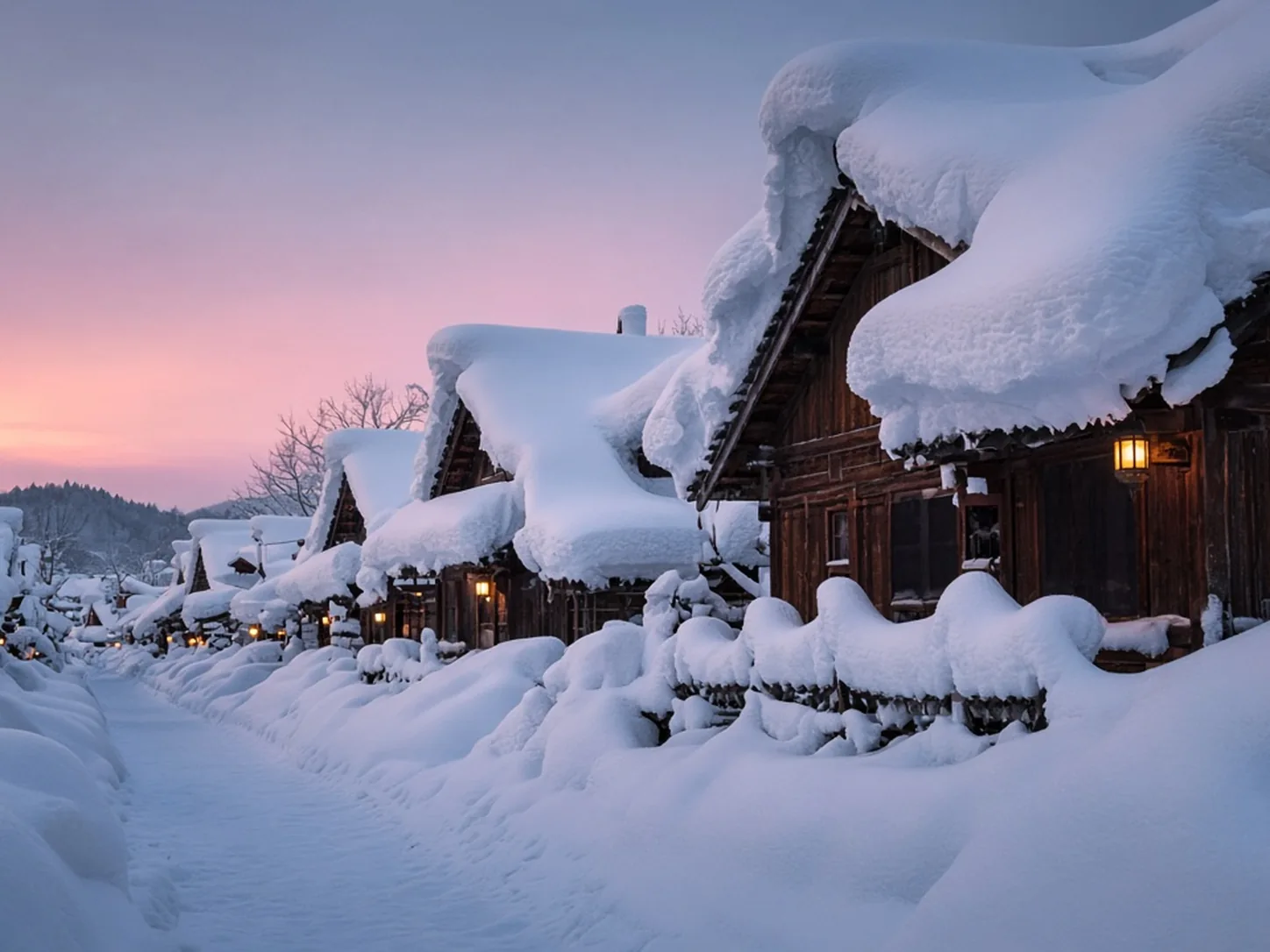
Skiers and mixed groups belong here. People who wanted snow-village photos belong at China Snow Town.
Compare a Harbin ski day, a two-night resort stay, and a longer trip that also includes China Snow Town.
Questions people ask
- Yes, if the plan respects a first day. Beginners can rent skis and boots on site, and a lesson in a language you understand is the right way to spend the morning. Rental boot quality varies, so allow time to try pairs, wear one sensible sock, and return anything that pinches or lets a heel lift. The aim is stopping and turning on gentle ground, then going inside while everyone is still glad. A single rushed afternoon after the drive from Harbin is a thin version of that day. A night at the resort, with the lesson at opening, is the kinder one. Confirm small sizes for children before you travel, and confirm the lesson language if you need English rather than a translation app and guesswork.
- Bring boots if you already ski and you are particular about fit. Rental boots can be perfectly usable, and they can also be packed out or a poor match for your foot. Own boots remove that gamble. Skis are easier to rent for one or two days unless you prefer your own. If you do travel with equipment, tell the car in advance so long bags fit, and keep the boot bag with you. For a first-timer who does not own anything, renting the full set on site is the normal and sensible choice. Spend the effort on the fitting, not on buying gear for a single winter day. A bad boot ruins a good mountain faster than a rental ski will.
- You wait, you ski what is still open, or you go inside. Wind holds are a known part of skiing here, including on days that look clear from the hotel window. An hour can pass and the lift can restart. A morning can also stay shut. Eat, warm up, and set a time when the group will switch plans instead of standing in the cold out of stubbornness. A day trip from Harbin has less slack, because the drive already used the edges of the daylight. Two nights at the resort give you another morning, which is the practical spare wheel. Agree the backup with non-skiers in the morning, before phones get cold and messages stop being a plan.
- No. Altitude is modest, and Yabuli is a cold-and-wind problem, not an altitude-sickness problem. You do not need the acclimatization habits of a high plateau. You do need clothing for long, still minutes in the open, a face covering, and the willingness to end a session when skin or children say so. People often feel fine in Harbin, where you step into buildings, and then feel the same temperature much more on a chairlift. Dress for that chair. Take a real indoor lunch. Treat numb fingers as a reason to stop. The reward of the modest height is simple: you can spend your attention on skiing and on staying warm.
- Give the non-skiers a quiet plan, because the resort is not a city and it will not fill their day with restaurants and shops. A late breakfast, a short walk if the paths and the wind allow, a booked soak or pool only if this hotel actually has one, and a film or a book in the room are the realistic options. Ask the property what is open for a non-skiing guest before you promise anyone a spa day or a scenic ride. Lunch with the group works if you chose the place in the morning. If that program sounds too thin, leave the non-skiers in Harbin for the day or take the shared days at China Snow Town instead. Describe the quiet out loud before anyone packs.
- Expect a large, well-known Chinese ski area with mixed grooming, not Alpine-Europe corduroy on every run. Some slopes will be smooth and worth repeating. Others will be firm, icy in patches, or pushed into piles, especially later in the day and on crowded holidays. January often has the more reliable snow, and any month can bring a wind hold. Beginners can learn. Intermediates can ski. Stronger skiers can enjoy a short stay if they ski what is open instead of grading the mountain against a different country. Use the local map on the day, because trail layouts change and a guide should not pretend to be this winter’s map. Come for the day you can actually have.
Plan a Yabuli visit
Share whether anyone is skiing, how many ski days you want, and if Snow Town is also on the list. We reply with a resort plan that does not pretend the drive is short.