
Yabuli at a glance
| Detail | Plan |
|---|---|
| Where | Shangzhi, southeast of Harbin |
| Drive | About three hours, longer in snow |
| Season | Roughly late November to March |
| Better snow | Often January |
| Two ski days | Two nights at the resort |
| Not a substitute | China Snow Town or the Ice Festival |
Start the journey in Harbin
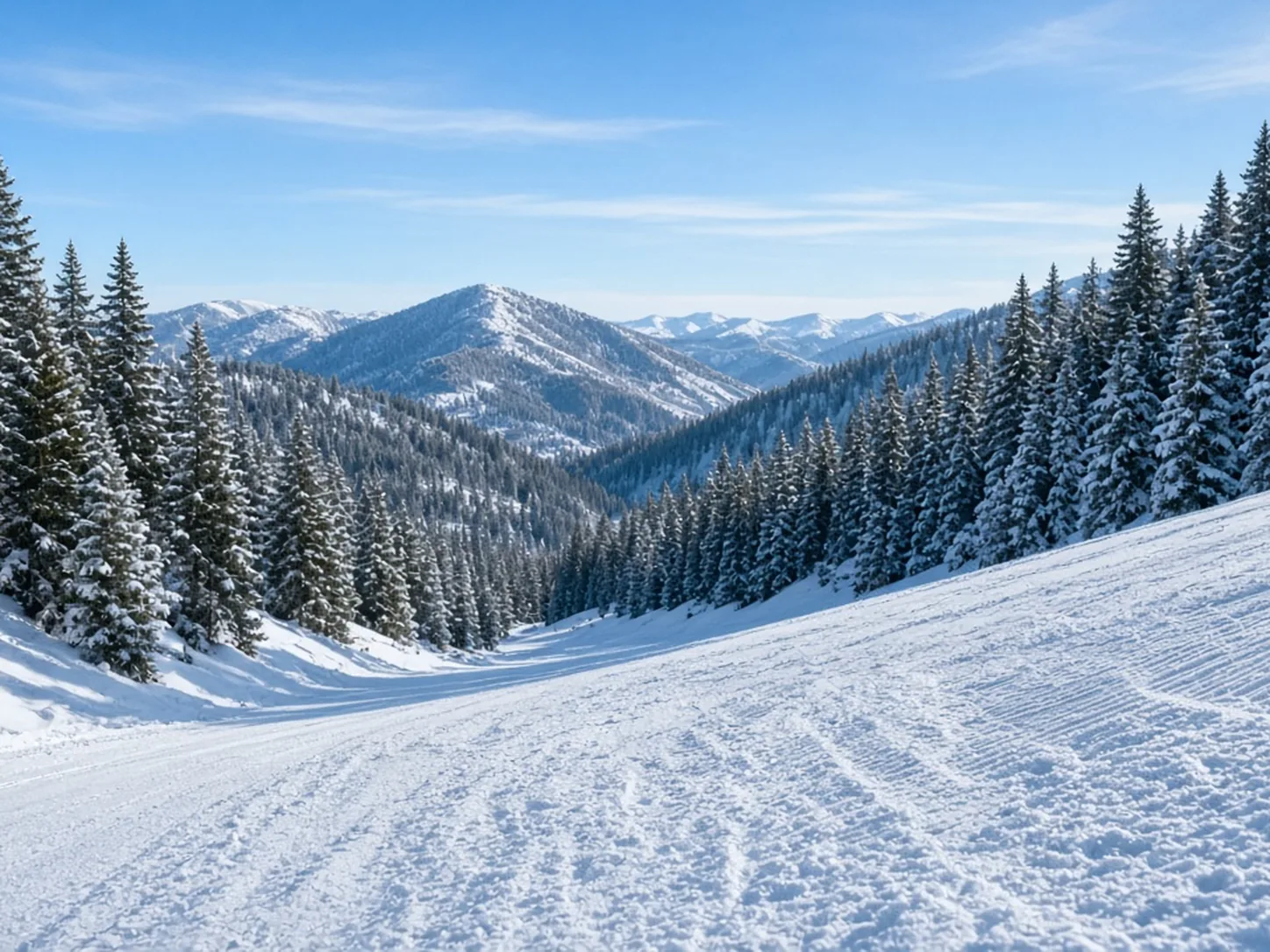
Yabuli is in Shangzhi, southeast of Harbin, and almost every ski trip begins in the city even when the mountain is the point. Flights land at Harbin. Festival hotels are in Harbin. The road and the railway both leave from there. Treat the city as the gateway and the supply stop: cashless payment apps already working, snacks, medicine, children’s extras, and a full charge on every phone before you point yourself at the hills.
The winter drive is often about 2.5–3.5 hours. The line to remember is about three hours, longer when the road is slow. That slowness is not a rare disaster. It is a plow, a squall, a Saturday queue of cars leaving the city, or a slick stretch where the driver is right to drop speed. If your plan only works when the drive takes the shortest number you have ever read, the plan is too tight.
Build the day as a winter transfer, not as a quick hop between neighborhoods. You will be in a heated car in heavy clothes, with bags at your knees or behind you, and with daylight running on its own clock. Eat before you go or carry food you can open with gloves. Use a toilet in the city. Winter clothing makes every later stop slower than you think, and highway facilities are a bonus, not a rhythm you should count on.
If the rest of your week is the Ice Festival, the Harbin guide still owns the city nights. Getting to Yabuli is the extra chapter. If skiing is the chapter you care about, the transfer is the start of the trip, and Yabuli tours is where a day trip or a two-night stay gets arranged around that road.
What “about three hours” is asking you to believe
“About three hours” means a door-to-door winter drive that can be a little quicker and can be a lot slower. The 2.5-hour end of the usual range is a clear road and a prompt exit from the city. The 3.5-hour end is still a normal winter day. Beyond that, you are in the “longer when the road is slow” clause: falling snow, traffic, or a delay that is nobody’s fault and everybody’s problem if you have a flight.
Leave a buffer on both ends of anything that matters. A rental shop, a lesson, a lunch with the non-skiers, and a same-day return to Harbin all sit inside the time the road does not use. When you tell the group the plan, say the longer version first. People can be pleasantly surprised by a faster run. They cannot invent daylight if you promised a short one.
The road itself is a highway journey through a cold landscape, not a scenic mountain pass you stop to photograph every few kilometers. You can look. You should not build a list of viewpoints into a ski-day departure. If someone needs photos of the countryside, take them from a planned stop, then get back in the car. The skiers are watching the clock even if they are being polite.
Motion matters for children and for anyone who gets carsick. A slow snowy road with repeated braking is harder than a smooth summer cruise. Sit susceptible people in the front if the car allows, keep the cabin cool rather than tropical, and plan a short stop before anyone is desperate. A five-minute pause costs less than a miserable hour.
Drivers who know the winter road are the point of a hired car. This is not the trip to experiment with a self-drive you have never done in a Chinese winter. Most visitors will be passengers. Your job is the address, the bags, and the departure time. The driver’s job is the surface in front of the headlights.
Leave early if you mean to ski the same day
A ski day from a Harbin hotel is possible. It eats the drive twice: about three hours out, about three hours back, longer when the road is slow. The skiing is whatever daylight and lift time remain in the middle. That middle is decent if you leave early. It becomes a short, rushed session if you leave after a relaxed breakfast and a second coffee.
Set the departure the night before, with bags already in the lobby and breakfast you can eat quickly. A departure that slips by forty minutes feels small in the hotel and large on the mountain, because you meet the rental queue and the best snow at the same time, late. Weekend mornings add city traffic to the front of the drive. Holiday mornings add more. If your dates fall on a Saturday or the edge of Spring Festival, earlier still is the courteous plan for your own group.
Coming back, the same arithmetic runs in reverse. Last lift, then a full winter drive, then Harbin dinner. That can be a pleasant tired evening if tomorrow is free. It is a bad prelude to a flight, an Ice and Snow World ticket, or any plan that starts on time. Do not stack a night spectacle on the back of a ski day unless you have already decided the spectacle is optional.
Two ski days want two nights at the resort for this exact reason. You drive out once, you wake up next to the mountain, and you drive back once. The getting-there problem shrinks to two transfers instead of a commute. If you only have one ski day in you, make peace with the double drive and protect it by leaving early. If you want two sessions, do not try to save the night in a Harbin bed.
The car, the bags, and the Chinese address
Give the driver the hotel’s Chinese name, the Chinese name of the ski area it sits under, and a phone number that works on the day. “Yabuli” is not an address. Several mountains and villages around the area have been developed and renamed, so two drivers with the same English word can aim at different gates. Confirm which base you booked, then put that confirmation in the driver’s hand before you leave Harbin.
Say what the luggage looks like. Ski bags are long. Boot bags are dense and easy to leave in a lobby. A sedan that feels roomy for four people with city backpacks can fail when two ski bags and a pile of down jackets enter the trunk. Ask for a vehicle that closes all its doors with the bags inside. Do this when you arrange the car, not in the parking court at dawn.
Keep a warm layer, water, any medicine, and the boot bag in the cabin. The trunk is reachable during a stop, and it is a cold puzzle in the dark if you need one thing from the bottom. Download the hotel location while you still have city signal. Screenshots of the booking, the gate, and the driver’s number belong in a camera roll that works offline. Hills do not owe you a bar of reception at the moment a turnoff looks unfamiliar.
Agree the return before you go up the mountain. Where will the car be, at what time, and what happens if you are thirty minutes late because a lift restarted? A ski day expands and contracts. A driver who has been given a window and a meeting point is calm. A driver who was told “we will call” may be unreachable when your battery has died in an inside pocket. Write the fallback down.
If you are arranging this yourself, those four items — Chinese names, a big enough car, cabin bags, and a return meeting — are the whole craft. If you would rather hand them to someone who does this winter often, that is the practical content of a transfer on Yabuli tours.
Rail can do the middle, not the last mile
Trains run toward the Yabuli and Shangzhi area, and for some travelers they are a calmer middle than a highway, especially if the group dislikes long car rides or the weather on the road looks worse than the timetable. Think of rail as a partial option. The train takes you to a station. A car still has to take you to the hotel, and that last leg is a winter drive of its own, shorter than the Harbin road and still able to be slow.
You are not looking for “the Yabuli station” as if there were only one door. Stops associated with Yabuli and with Shangzhi both appear in searches, on old blogs, and on current ticket apps. High-speed services and slower trains do not always use the same platform name. A hotel’s pickup instructions may name a stop your preferred departure does not serve. This is normal in a corridor that has gained new lines over the years. It is also how people end up in a parking lot where no driver is waiting.
Buy the ticket only after the hotel or the driver has named the station they will actually meet. Then buy that station, on that day, and send a screenshot back. If the names differ by a single character, stop and resolve it. Similar names are not the same curb.
Timetables change with the season. A departure that existed in a December article may not exist on your February afternoon. Check the day you travel. If the train that fits your flight arrives after dark, read the late-arrival section before you decide the railway saved you. A punctual train into a black, icy transfer is not automatically kinder than a car that left Harbin while there was still light.
How to choose
| Choice | Fit | Skip when |
|---|---|---|
| Make this the focus | When this page is the reason for the day | When it is only a name on a list |
| Pair it | With one nearby stop | With a second full excursion |
| Leave it | If the main stay is already full | If you have the night it needs |
Confirm the station, then confirm it again
The confirmation is a three-way match: the name printed on your ticket, the name the hotel wrote down, and the place the driver believes is the meeting point. All three should be the same station, described in Chinese, with a meeting spot a stranger could find. “Near the exit” is not a spot. A numbered exit, a side of the station, or a specific lot is a spot.
Arrive at the station with time to walk. Ski bags do not sprint. Platforms, underpasses, and ticket checks are slower in winter boots than in the clothes you wore when you imagined the connection. If you have a tight transfer between train and a lesson, you do not have a tight transfer. You have a wish. Pad it.
On the train, keep boots, documents, medicine, and a layer with you. A ski bag in the luggage area at the end of a carriage is a common approach when the service allows the bag’s size. Read the luggage rules for the train you bought. Long bags are accepted on some services and refused, or forced into a shipping desk, on others. If your bag is borderline, the safer ski plan may be to rent skis at the mountain and travel with boots only, or to stay with a car from Harbin that never asks a carriage attendant for permission.
Tell the driver which carriage you are in when you depart, and again when you are twenty minutes out, if you have signal. If you will not have signal, the meeting plan has to work without that message. This is the entire skill of a station pickup in the cold: a place, a time, a description of the group, and a person who can recognize a ski bag.
If a blog names a station with great confidence, thank it for the hint and still confirm. The corridor has changed. Your hotel’s winter is the one you are entering.
Luggage that survives the trip
Pack as if the car or the train is part of the cold. Liquids freeze if they ride in a trunk or a luggage car for hours. Put drinking water where it stays liquid, and do not fill a bottle to the cap if it might firm up. Snacks that you can eat one-handed will matter if the road is slow and lunch slides later.
Ski clothing for the day should be reachable without unpacking the whole duffel at a windy drop-off. A small cabin bag with socks, base layer, goggles, and gloves lets you change at the hotel or even, in a pinch, at the base. Changing in a parking area is miserable. Being unable to find your gloves is worse.
Boot bags are awkward on stairs and fine on wheels if you chose a bag that has them. If you brought your own boots because you are particular, label the bag with your name and the hotel, in Chinese and English. Lost boots somewhere between Harbin and a rental desk are a grim kind of irony. Skis can be rented. The boots you traveled with cannot be replaced by optimism.
Medication, chargers, and a spare pair of dry gloves stay on your person. Children need their own identifiable bag so a favorite hat is not in a parent’s suitcase that went with the other car. If two vehicles are used, split the layers so each car can still dress its passengers if the cars separate at a stop.
On the way back, wet gloves and helmets go into a plastic bag before they go on a hotel carpet in Harbin. Everything else can wait. The transfer home is when tired groups leave a phone in a seat pocket. Do one slow lap of the car before you close it for the last time.
Late arrivals in the dark
If your flight reaches Harbin in the afternoon or evening, sleep in the city. The mountain does not offer a night ski as a consolation prize for a late landing, and this guide will not invent one. Lifts are a daylight business. A late check-in at the resort is a long winter drive in the dark, followed by a morning ski if you still have energy. Sometimes that drive is the right choice. Often it is not.
Choose the dark drive only when the hotel expects you, the driver is content to run the road at night, and you are not also hoping to do anything else that evening. Carry the confirmation offline. Eat in Harbin before you leave. A kitchen at the far end may be closed when you arrive, and a hungry check-in in a cold lobby is a poor start. Tell the hotel you will be late so a person and a lighted door are part of the plan.
Roads that felt ordinary at noon feel narrower when snow is falling in the headlights. Speed drops. The “about three hours” line stretches. Children who slept on the plane wake up halfway and do not understand why they are still traveling. If that scene does not sound acceptable, it is acceptable to lose one potential ski morning and start fresh. Two nights at the resort still work if the first night is a proper sleep and the next two days hold the skiing. They do not work if you arrive at midnight and expect the first day to be both a recovery and a full session.
A late train has the same moral. The station may be efficient and the curb may be empty and icy. Meet the driver, confirm the hotel name again, and ride. Do not add a wandering search for dinner between the platform and the car unless you already know a place that is open and close. Get to the room. Ski when there is light.
The Harbin guide is the right companion for that first city night. Use it. Then leave in the morning on purpose, with the whole transfer in daylight if you can.
Getting back without spoiling the next day
The return deserves the same respect as the way out. About three hours, longer when the road is slow, and then you are a guest in Harbin again: possibly hungry, possibly damp, possibly proud of a good ski. Give the evening a single job. Dinner and a shower are enough. A festival park, a long walk, and a predawn airport call are three jobs too many.
If you have a flight the next morning, the ski day should not be the day before unless the flight is late and the drive is protected by a very early departure from the mountain. Even then, a slow road can erase the margin. The cleaner pattern is to sleep in Harbin the night before you fly, with the ski already behind you. Two nights at the resort and a third night in the city, or a ski day that is not adjacent to the airport, keeps the stress on the snow where it belongs.
Sunday and holiday returns stack traffic as you approach the city. A mountain that you left in good time can still deliver you to a slow urban edge. Warn anyone who is meeting you in Harbin that “we are leaving now” is not “we are in the lobby.” Send a message when you are truly close.
If the next day is China Snow Town, do not pretend the ski return and the village departure are a casual sequence. The village road from Harbin is about 5–6 hours on its own. Finishing Yabuli and starting that road the same afternoon is how groups arrive late, cold, and finished with adventure. Sleep, then take the village as its own journey. The detail of that road lives in the Snow Town getting-there guide once you are ready for it. Your only job on this page is not to weld the two drives into one heroic day.
A transfer checklist you can use the night before
Read this once out loud. Everyone should hear the same version.
You know the Chinese name of the hotel and of the ski area it sits under. The driver has both, plus a phone number. The vehicle is big enough for the longest bag. Boot bags and a warm layer are in the cabin, not at the bottom of the trunk. Phones are charged, and the booking is saved offline.
If you are on a train, the ticketed station is the station the driver named, the meeting point is specific, and the ski bag is allowed on that service. If any of those are shaky, switch to a car from Harbin or rent skis and travel lighter.
The departure time matches the plan. A same-day ski means an early car. A two-night stay can leave later and still arrive with a calm evening, as long as “later” is not “after dark on an unconfirmed road.” A late flight means a Harbin hotel first unless you have deliberately chosen the night drive.
The return time is a window, not a wish, and the day after the return is light. Food and a toilet are handled before you roll. Someone who gets carsick knows where they are sitting.
When those lines are true, the famous mountain is a straightforward winter journey: about three hours, longer when the road is slow, then skis. When they are not true, fix them in Harbin. The hills are a bad place to discover that the group is aimed at two different gates.
Ways to plan the days
These shapes match the Yabuli tours page. They are starting points, not fixed departures.
Ski day from Harbin
Time fit: 1 day
Possible, and the drive both ways is the cost.
- Yabuli
- Ski day from Harbin
Why choose it: Possible, and the drive both ways is the cost.
Two ski days
Time fit: 3 days
Two nights at the resort so the second morning is on snow.
- Yabuli
- Two ski days
Why choose it: Two nights at the resort so the second morning is on snow.
Yabuli and Snow Town
Time fit: 5+ days
Only when the village and the skiing are both the point.
- Yabuli
- Yabuli and Snow Town
Why choose it: Only when the village and the skiing are both the point.
Want help shaping the Yabuli days?
Tell us your Harbin dates and whether this is a ski trip or a single day inside a longer winter. We will not fold Yabuli into a Snow Town morning.
Keep planning
Yabuli
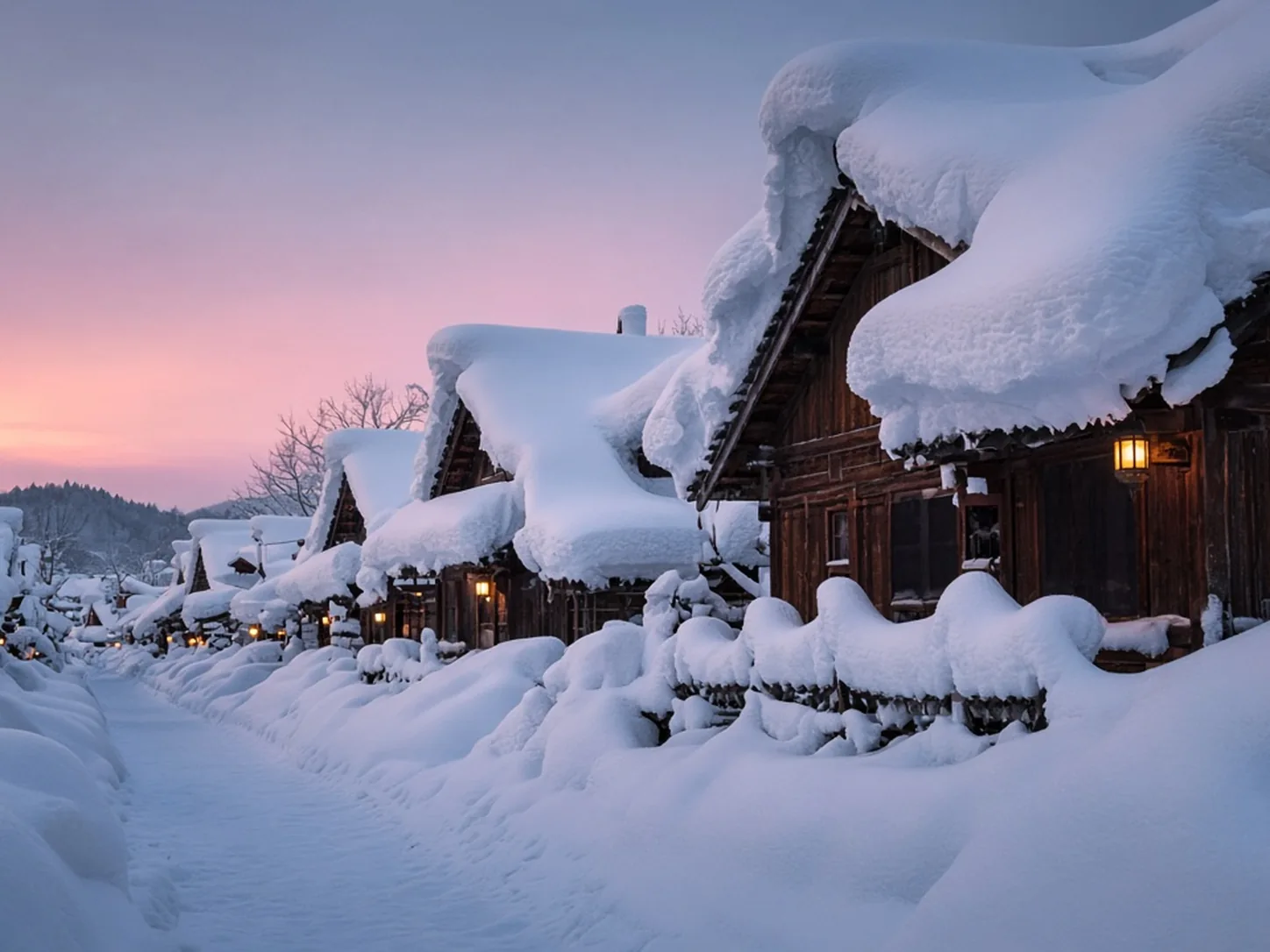
Confirm which base the hotel sits under. Rental boots vary, wind can hold lifts, and non-skiers need a plan.
Late November to March is the season. January is the more reliable snow, and holidays are the crowded weeks.
A day from Harbin is one long drive twice. Two nights are what a second ski day needs.
Skiers and mixed groups belong here. People who wanted snow-village photos belong at China Snow Town.
Compare a Harbin ski day, a two-night resort stay, and a longer trip that also includes China Snow Town.
Questions people ask
- Plan on about three hours, longer when the road is slow. The winter drive often falls around 2.5–3.5 hours, and that whole band counts as normal. Snow, a plow, weekend traffic leaving Harbin, or a careful pace on a slick stretch can push you past the hopeful end of the range. Door to door also includes loading ski bags and finding the right gate, so a map estimate of pure highway time is the short version. Say the longer sentence to the group, leave early if you mean to ski the same day, and do not pair the drive with a same-evening flight. Two nights at the resort are how you ride that road once each way instead of around every session.
- The train is a partial option. Services run toward Yabuli and Shangzhi, and they can be a calmer middle than the highway, but the hotel is not the station. You still need a road transfer at the far end, and that leg is a winter drive that can be slow after dark. Several station names show up in searches because the corridor and the area have changed over the years. Confirm which station your hotel or driver will meet, then buy the ticket that matches that name in Chinese. Match the meeting point as carefully as the ticket. Old posts are hints, not instructions for the day you travel.
- Tell the car about long bags when you arrange it, so the vehicle can close its doors. Keep boot bags, medicine, and a warm layer in the cabin. If you are particular about skiing, those boots should stay with you the whole way; skis are easier to rent than a lost boot is to replace. On a train, read the luggage rules for that service before you rely on bringing a long bag aboard. Some trains cope, and some will not take the bag you brought. If the rules are tight, rent skis at the mountain and travel with boots, or stay with a car from Harbin. Label every bag with the hotel name in Chinese.
- Usually the better night is in Harbin. Lifts run in daylight, so a late landing does not put you on snow until tomorrow anyway. The road takes about three hours and stretches when it is slow, which is a long time in the dark after a flight, with children awake and a kitchen that may already be closed at the resort. Choose the night drive only when the hotel expects you, the driver is willing, and you have eaten in the city. Otherwise sleep in Harbin, use the city guide for that night, and leave in the morning toward a check-in you can see. A spared ski hour is a kinder outcome than a tense arrival.
- Give them more than the word Yabuli. Ask the hotel which ski area it sits under, copy the Chinese names of both the hotel and that area, and add a phone number that will be answered on the day. Several mountains and villages nearby have been developed and renamed, so the English name points at a district, not a doorway. Save the location offline while you still have signal in the city. Agree the return meeting point before you go up the hill, as a place and a time window, because a cold phone is a bad dispatch system. If the names on your booking and the driver’s note differ, correct them in Harbin.
- That stacks two winter roads, and it is how groups arrive too late to enjoy either place. Yabuli is about three hours from Harbin, longer when the road is slow. China Snow Town is farther along a related southeast corridor, about 5–6 hours from Harbin, and it wants its own overnight as a snow-village stay. Finishing a ski day and then starting the village transfer is a dusk departure with tired people and another long sit. Sleep after Yabuli, then take the village as its own journey. If both places are in the trip, the calendar needs room for each of them. A same-day weld looks efficient on a map and feels like a forced march in January.
Plan a Yabuli visit
Share whether anyone is skiing, how many ski days you want, and if Snow Town is also on the list. We reply with a resort plan that does not pretend the drive is short.