
Yabuli at a glance
| Detail | Plan |
|---|---|
| Where | Shangzhi, southeast of Harbin |
| Drive | About three hours, longer in snow |
| Season | Roughly late November to March |
| Better snow | Often January |
| Two ski days | Two nights at the resort |
| Not a substitute | China Snow Town or the Ice Festival |
The season you can actually plan
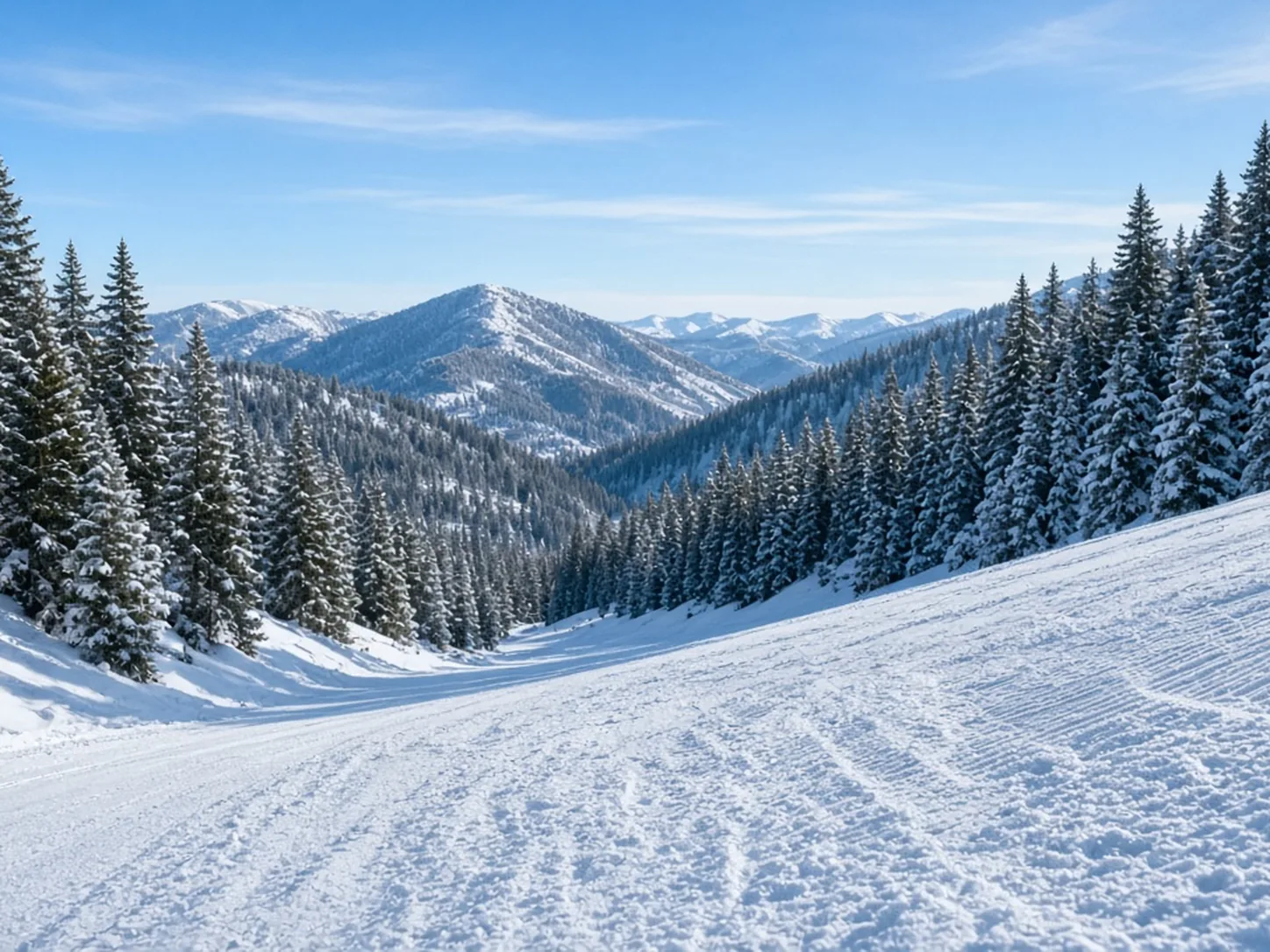
Yabuli’s ski season runs roughly from late November into March. Those are the months when a trip can be about skiing rather than about hoping a resort has decided to open. Inside that window the character changes. The more reliable snow is often in January. The ragged ends can be lovely, thin, windy, or some mix you will only know close to the date. Book the month for the kind of day you want, then check what is open when the week is near.
The mountain is in Shangzhi, southeast of Harbin, at a modest altitude. You are not chasing high-alpine spring snow or worrying about altitude sickness. You are choosing how much cold, how much daylight, and how much company you want on a large, famous ski area that was a venue for the 1996 Asian Winter Games. Wind can hold lifts in any of these months. A good month is a better chance, not a contract.
The same weeks sit beside Harbin’s ice season. A ski-first trip can ignore the parks and still feel the crowds those parks draw into the region. A festival-first trip can add one Yabuli day without turning this page into its calendar. If the city lights are the reason for the flights, the Harbin guide knows the park season. If the lifts are the reason, stay with the months below and with Yabuli tours when you are ready to fix the nights.
Late November and the opening weeks
Late November is the start of “roughly,” and it should stay roughly in your mind. Some years the area is skiing on a limited footprint, with surfaces that depend heavily on machines and on whatever natural snow arrived early. Some years a cold snap makes the opening look like midwinter. Some years the honest advice, given a week out, is to wait until December if you care about how the hill feels underfoot.
Choose late November when your dates are fixed and skiing is still worth a possible shorter menu of runs, or when you like the idea of fewer people and you can tolerate a scenic, colder trip that might not be a full mountain day. Ask the hotel or the operator what is spinning. A yes in early November marketing is not the same as a yes for your exact weekend.
Daylight is already short, though not at its stingiest. The cold is real enough to demand a proper shell and face coverage. It may not yet be the deep January cold that makes an idle chair feel personal. Wind still counts. An opening-week hold, on a mountain that is only partly open, shrinks the day faster than the same hold in January, when more of the area might offer an alternative.
Travelers pairing this month with China Snow Town should be especially picky. The village can look bare if the heavy snow is late, and the ski area can be in the same waiting game. A northeast winter that has not fully arrived is a different photograph from the one on the poster. If the posters are the point, January and February are the surer bet. If you are already in Harbin for other reasons, ask in November. The answer can save a wasted dawn drive.
December, once winter has settled
December is when most ski trips stop being a gamble and start being a plan. Cover is usually established, the holiday peak of Spring Festival has not arrived, and the city side of the region is moving into its ice season. You still get serious cold, short days, and weekends that belong partly to Harbin residents who drive out for a night or a day.
For many international visitors, December is the easiest month to recommend when January flights are ugly and February is a family holiday they cannot join. The snow is often good. It is not yet the month people mean when they say the coverage is at its most reliable, so keep the “ask what is open” habit, especially in the first half. By late December, a normal winter is simply winter.
The rhythm of the month is weekends versus midweek. A Saturday departure from Harbin meets other departures. Your about-three-hours drive, longer when the road is slow, gets the traffic version of “slow” on top of any weather. A Tuesday departure is the same road with a calmer temper. If your ski day is a single outing from a city hotel, a weekday is a gift. If you have two nights, you can aim the full middle day at a weekday even when you traveled in on a Sunday.
December also teaches the daylight lesson before January repeats it more strictly. Afternoons fade early. A leisurely start in Harbin delivers you to a mountain already spending its day. Leave early on a day trip. On a resort stay, be in boots near opening if the snow surface matters to you. Groomed ground does not wait for a late lunch and a second run of the whole area.
January, for snow and for short days
January is the month to choose when snow quality is the priority and you are willing to dress for it. This is when coverage is often at its most trustworthy of the season, and when a lesson, a rental day, or two days of skiing for intermediates has the best chance of happening on a white hill rather than on a hopeful one. It is also deep cold. Standing on a lift is the test, not the walk from a Harbin taxi to a restaurant door.
Days are short. The useful light is gone by late afternoon, and it goes earlier than visitors from warmer latitudes expect. Lifts follow that daylight. They will not stretch the clock so a late car from the city can have a full session. If you sleep in Harbin, the departure time is the ski plan. If you sleep at the resort for two nights, you can use the morning that city guests spend on the highway.
January is busy enough. It is not automatically the Spring Festival crush, unless the festival falls early that year. Check the lunar calendar when you book, because a late-January festival pulls holiday travel forward into what you thought was a quiet month. School winter breaks also put families on the hill. A midweek slot still behaves better than a weekend. A weekend can be perfectly enjoyable if you start early, rent early, and ski the runs that are in shape instead of fighting every queue.
Wind does not take January off. A clear, brutal morning can still hold lifts and leave you re-planning over a hot drink. The spare morning that two nights give you is never more useful than in this month, when you came specifically because the snow is supposed to be good and you would like one day when the machines and the weather agree.
Pack heavier than your city kit. A face covering, a real glove system, and boots that are not a misery all matter more in January than in a mild March thaw. Beginners can still learn. They should plan indoor breaks as part of the lesson, not as a sign that the lesson failed.
February holidays and a mountain full of people
February still skis. The snow can remain excellent, the cold continues, and the light slowly improves. The complication is people. Spring Festival, whenever it falls, is the largest travel week in the country. If it lands in your dates, expect full hotels, busy rental desks, lively dining rooms, and a road out of Harbin that feels like a holiday departure. The mountain is doing what a famous mountain does on a famous week: hosting a lot of families who had the same idea.
Go if those are your dates. Many travelers have no choice, and a crowded good-snow day beats a perfectly empty week you cannot take. Adjust the way you ski. Rent at opening or the evening before if the shop allows. Eat lunch a little early or a little late. Repeat a slope that is skiing well. Keep children close in crowded base areas. Treat the drive as the longer version from the start, because holiday traffic is one of the things “longer when the road is slow” means.
If you can move a few days to either side of the festival peak, the same mountain feels more like a resort and less like an event. You do not need a secret week. You need a weekday, a shoulder of the holiday, or a willingness to be on the snow when other people are still at breakfast.
February is also a strong month for China Snow Town photographs, which tempts groups to weld the village and the ski area into one compressed week. The village is 5–6 hours from Harbin and wants an overnight. Yabuli wants its own nights if you mean to ski more than a taster. A festival week plus both outings is a lot of road. February can hold a ski-and-village trip when the days are already enough. It cannot hold every winter ambition at once just because the snow looks right in both places.
How to choose
| Choice | Fit | Skip when |
|---|---|---|
| Best walking weather | Spring and autumn, or Oct–Dec in the south | Holiday weeks |
| Hot or storm season | Go, with a flex day | A packed outdoor checklist |
| Quiet season | Fewer people, different scenery | Anyone chasing peak bloom or peak snow |
March and the end of the season
March is the long tail. Daylight is kinder, middays can soften, and some seasons keep skiing well toward the end of the month. Other seasons get tired: thinner cover in places, heavier snow in a thaw, and a gradual closing of terrain. You should ask during the week you travel, not in the autumn when you first dreamed of the trip. “The season runs into March” is a regional truth. “Your Wednesday in late March will ski like January” is a hope.
Choose March if you want longer light, a slightly less brutal temperature, and you can accept that the surface may be softer or patchier. It can be a pleasant month for intermediates who like to see where they are going and who do not need midwinter cold as part of the story. It is a riskier month for people who are traveling specifically for the most reliable cover. Those travelers should aim at January and treat March as a fallback.
Beginners can still have a good lesson in March, sometimes more comfortably than in January, because indoor breaks are less of a rescue from the cold. Rental boots are still a mixed bag. Your own boots, if you are particular, matter in every month. Grooming still will not match an Alpine-Europe standard on every run. A warm afternoon can make that more obvious, not less, as snow piles and softens.
Wind holds remain possible. Longer daylight gives a day trip from Harbin a little more mercy than a January day trip, and it does not cancel the drive. About three hours, longer when the road is slow, still brackets the skiing. Two nights still make two sessions possible. The month changes the light and the snow more than it changes the map.
Cold that decides how long you stay outside
Across the whole season, cold is the pacing tool. Early winter is already cold. January is the stern version. March mornings can still bite and then ease. The practical effect is the same: you dress for motionless time in the wind, and you end the session when hands, feet, or children are done. Altitude will not make you sick. A stubborn extra hour can still make the rest of the day unpleasant.
Layers beat one enormous coat you cannot ski in. A wind shell, an insulating middle, and a dry base are the combination that works from the first chair to the last. Face and neck coverage stop the headache and the unhappy skin that people blame on “not being a winter person.” Often they are a winter person who left their face bare. Goggles on flat-light and storm days, sunglasses only when the day is truly bright and calm, keep you skiing longer because you can see.
The lodge is part of the timing plan. A hot drink and a sit-down lunch are not lost skiing. They are why the next hour happens. Groups that skip lunch to stay on the hill often finish the last hour miserable. Take the break. In January, schedule the indoor pause before anyone has to ask. In March, you may last longer and you should still eat.
Non-skiers feel this calendar too. A January walk around the hotel may be fifteen good minutes. A March walk may be a real outing. Do not promise the same program in both months. Ask what the wind is doing that morning, then decide. The resort remains a quiet base in every month. Warmer air does not turn it into Harbin.
Daylight, and when a lift is worth the drive
Lifts run while there is day to use. In late December and January that day is short, and the fade comes in the afternoon. A car that leaves a Harbin hotel at mid-morning can arrive in time for a shortened session and a tense decision about when to drive back. A car that leaves early can still offer a proper middle. The resort guest who slept on site can be dressed for opening and can ski the hours the day-tripper spends on the highway.
This is the hidden seasonality of a “same-day ski.” People compare months by snow photos and forget that January’s better snow is packaged with January’s shorter light. The day trip is most forgiving when you accept an early alarm. It is least forgiving when you also want a slow breakfast and a late dinner plan in the city. Two nights move the ski hours onto the mountain’s clock instead of the highway’s clock. That advantage is largest when the days are shortest.
Watch the weather in the morning, not only the date. A wind hold at opening can give you back a late start you did not want, because there is nothing to be early for until the lift turns. Have a place to wait that is indoors. On a day trip, decide how long you will wait before the drive home becomes the sensible use of the remaining light. On a two-night stay, waiting until the afternoon, or until the next morning, is a luxury you bought with the extra night.
Sunset is not a skiing opportunity this guide will invent. When the light goes, the ski day is over, and the road is a road again. Headlights are for the return, not for one more run. Groups that respect that line arrive in Harbin tired and intact.
Crowds you can predict
Some busy days are obvious. Weekends draw Harbin and the surrounding cities. School winter holidays add families through the heart of the season. Spring Festival, sliding between late January and February, is the peak. Those are the days to start earliest, to have your hotel tied to a confirmed ski area so you are not hunting for the right base in a crowd, and to be patient at rental desks.
Some quiet is obvious too. A midweek day in December or in early March, away from the festival, is when the mountain feels largest. January midweeks can be calm and extremely cold, which is a wonderful combination if your clothing is honest and a grim one if it is not. There is no need to chase an empty slope at the cost of a month with poor cover. Snow first, then crowd, then your tolerance for cold: that order serves skiers. Photographers of villages may reverse it. Skiers should not.
Holiday weeks also fill the restaurants and the easier terrain, because that is where lessons and families gather. Stronger skiers may find more space on whatever is open and steeper, and they may also find that wind has closed the line they wanted. Beginners should expect company on the learning slopes in festival week and should not read the crowd as a sign they chose the wrong resort. They chose a famous one, in the week China takes a holiday.
If your group includes non-skiers, a crowded holiday base is not automatically more fun for them. The queues are at the lifts and the rental shop, not at a charming row of cafes. Their day is still a hotel day, only with more people in the lobby. Tell them that before you book the festival peak as a compromise.
Match the month to the trip
If skiing is the point, aim at January for snow, accept the cold and the short light, and put two nights at the resort if you want more than one session. Use December when January is impossible and you still want a real winter. Use February if the holiday is your life, and ski it early in the day. Use late November or March only with a fresh answer to “what is open,” and with a mood that can survive a thinner hill.
If the point is a first Ice Festival trip, let the Harbin calendar lead, and let a Yabuli day sit inside that week only if the drive will not wreck the park evenings. Winter Highlights on Harbin tours already knows how to include that single day. You do not need to move the whole trip onto a ski calendar to justify one afternoon on snow.
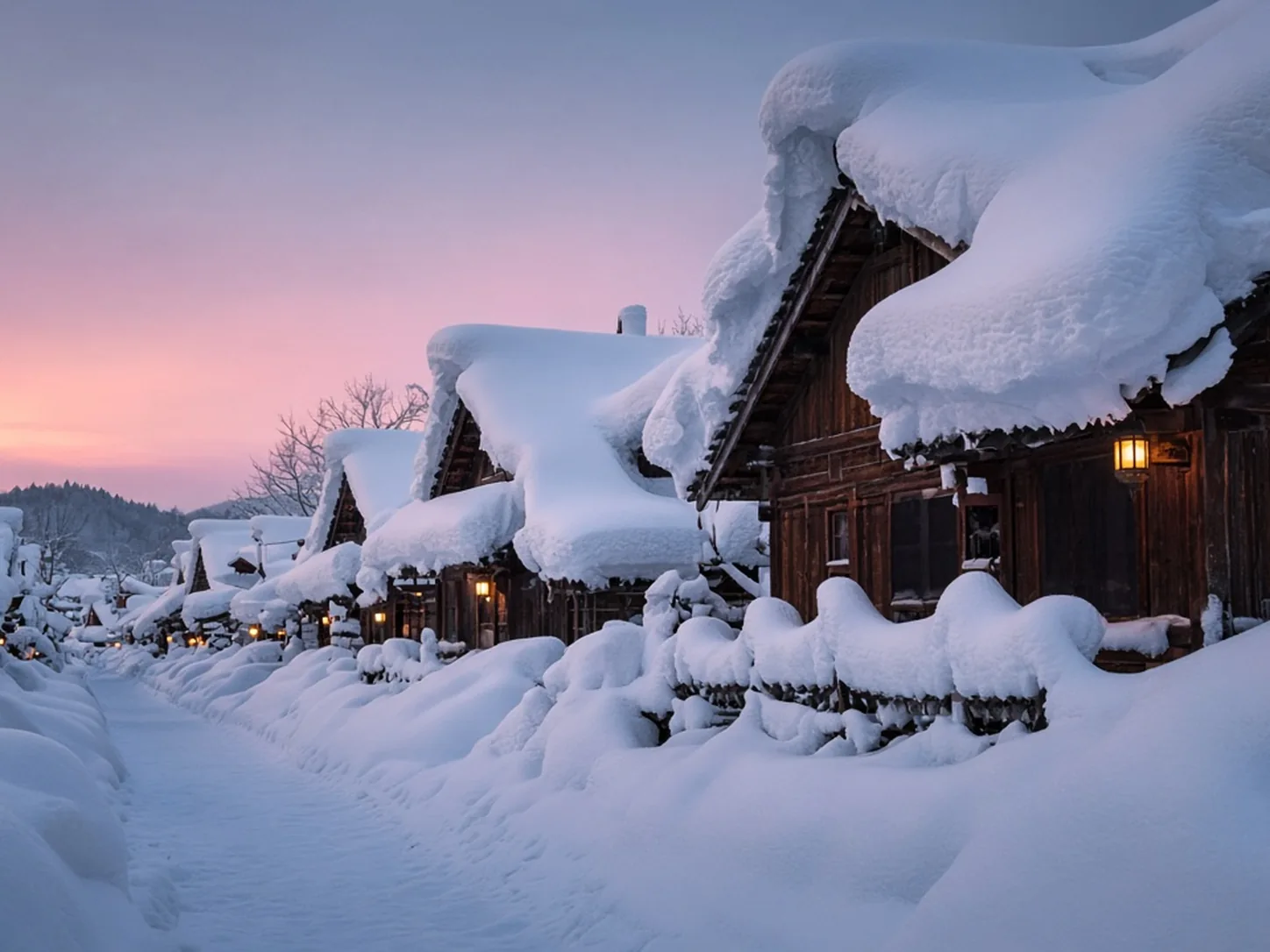
If the point is wooden houses and heavy snow photos, China Snow Town has the better target months inside the same winter, and it is not a ski-day substitute. Add Yabuli beside it only when the days are enough for both roads.
Wind, grooming, and rental boots will still shape the morning you get. The month only decides the odds. Choose the odds on purpose, pack for a colder day than the average you read, and leave Harbin early enough that the daylight you came for is still there when you clip in.
Ways to plan the days
These shapes match the Yabuli tours page. They are starting points, not fixed departures.
Ski day from Harbin
Time fit: 1 day
Possible, and the drive both ways is the cost.
- Yabuli
- Ski day from Harbin
Why choose it: Possible, and the drive both ways is the cost.
Two ski days
Time fit: 3 days
Two nights at the resort so the second morning is on snow.
- Yabuli
- Two ski days
Why choose it: Two nights at the resort so the second morning is on snow.
Yabuli and Snow Town
Time fit: 5+ days
Only when the village and the skiing are both the point.
- Yabuli
- Yabuli and Snow Town
Why choose it: Only when the village and the skiing are both the point.
Want help shaping the Yabuli days?
Tell us your Harbin dates and whether this is a ski trip or a single day inside a longer winter. We will not fold Yabuli into a Snow Town morning.
Keep planning
Yabuli
Confirm which base the hotel sits under. Rental boots vary, wind can hold lifts, and non-skiers need a plan.
The winter drive from Harbin is about three hours. A train still needs a transfer at the far end.
A day from Harbin is one long drive twice. Two nights are what a second ski day needs.
Skiers and mixed groups belong here. People who wanted snow-village photos belong at China Snow Town.
Compare a Harbin ski day, a two-night resort stay, and a longer trip that also includes China Snow Town.
Questions people ask
- January is the month people mean when they talk about more reliable snow at Yabuli. December is often already a proper ski month, February can ski very well, and both can be excellent weeks. Late November and March are the shoulders, sometimes better than you hoped and sometimes a thinner operation. None of this cancels wind. A January morning can still hold lifts and shrink the day to whatever is running. If your dates are free, aim the ski nights at January and dress for deep cold and short light. If your dates are fixed in another winter month, go, and ask close to the week which terrain is open rather than trusting an autumn brochure.
- It is a crowded time, and the skiing itself can be good. Hotels fill, rental desks back up, easier slopes fill with families, and the Harbin road is slower on the days everyone leaves and returns. If those are the only days you have, ski them early, eat lunch off the peak hour, and describe the drive as about three hours, longer when the road is slow, with holiday traffic included in the “slow.” If you can shift to the shoulder of the festival or to a weekday, the same mountain feels calmer. Crowds are not a reason to skip a trip you cannot move. They are a reason to change the start time and the patience you pack.
- Cold enough that city clothes are the wrong reference. Harbin already asks for a serious winter coat. The mountain asks for that level of insulation while you stand still in the wind, often far below freezing in January, and still chilly on March mornings. Altitude is modest, so this is not an altitude problem. It is an exposure problem. Cover your face and neck, keep dry gloves available, and go inside before numbness feels like toughness. Non-skiers will feel the same air on a short walk and should plan those walks to be brief in midwinter. Layers you can ski in beat one stiff coat that only works for a photo.
- They make it kinder, and they do not make it short. The winter drive is still about three hours, longer when the road is slow, on both ends if you sleep in the city. Extra light means a late start is less punishing than the same laziness in January, and it can still steal the session if the road drags. March snow can be softer or patchier, so you may be trading daylight for a less reliable surface. Two nights at the resort remain the way to get two ski days. Use March daylight as a help for a day trip you already accept, not as proof that the mountain has moved closer to Harbin.
- Stay overnight when you want two sessions, when you are traveling in the short-light heart of winter, or when a wind hold would otherwise erase your only chance. Two ski days want two nights. A January day trip can work for one keen session if you leave Harbin early and the next morning is free. It is a weak plan for beginners who need a lesson at opening, for families who may stop early and still face the drive, and for anyone with a flight or a festival evening on the same day. The overnight is how you put the best hours on snow instead of on the highway.
- The festivals share the winter, and the busiest city weeks are often busy on the mountain too. That overlap does not make the Harbin plan wrong, and it does not make January a bad ski month. It means a combined trip needs honest days. A seven-day Winter Highlights shape can hold one Yabuli day inside a festival week. A ski-first January stay is a different choice, aimed at snow and nights at the resort. If you also want China Snow Town, add its own overnight and its 5–6 hour road, and do not put that drive on the back of a ski afternoon. Pick the week for the main hope, then see what else still fits.
Plan a Yabuli visit
Share whether anyone is skiing, how many ski days you want, and if Snow Town is also on the list. We reply with a resort plan that does not pretend the drive is short.