
| Item | Detail |
|---|---|
| Chinese | 白茶 (báichá) |
| Processing | Withering → drying; minimal rolling/fixation |
| Famous styles | Bai Hao Yinzhen, Bai Mudan, Shou Mei, Gong Mei |
| Main region | Fujian; also Yunnan and other provinces today |
| Young vs aged | Fresh whites gentle; aged whites darker and richer |
What White Tea Is
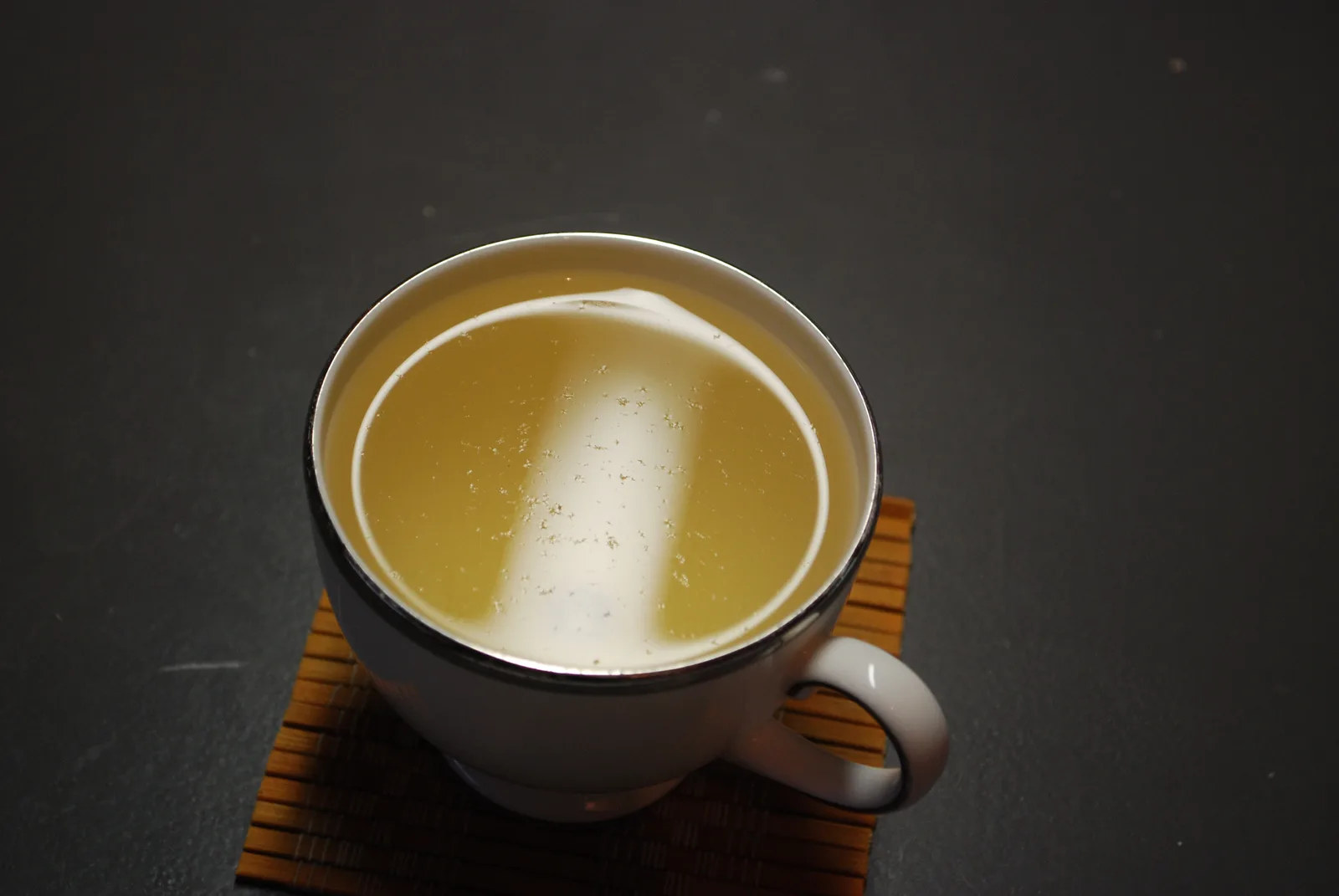
White tea is one of UNESCO's six traditional categories. Name comes from silvery down on buds in premium grades, not from a white liquor—the cup is usually pale gold. Processing avoids strong fixation early, allowing gentle enzymatic change during long wither.
Processing
Harvest → outdoor/indoor withering → drying (sun or low heat). Less shaping than green tea; large intact leaves and buds show clearly in the cup. Simplicity of steps does not mean easy mastery—weather and timing affect quality.
Category overview: Types of Chinese Tea.
Fujian / Fuding Context
Fuding and Zhenghe in Fujian are reference origins for many white teas on the market. Protected-origin and grade labeling exists domestically; export packaging may simplify names. White tea production has expanded to Yunnan and other provinces with large-leaf cultivars—distinct from classic Fujian bud styles.
Bai Hao Yinzhen / Silver Needle
Bai Hao Yinzhen (白毫银针) is bud-only white tea—slender needles with downy white hairs. Liquor is light, sweet, and delicate; easily over-steeped with boiling water. Premium buds are expensive by weight because harvest is labor-intensive.
*Bai Hao Yinzhen, or Silver Needle, white tea buds.*
Bai Mudan / White Peony
Bai Mudan (白牡丹) includes bud and leaf, fuller body than Silver Needle, still gentle compared with green or oolong. Good entry white for travelers who find Silver Needle too subtle.
Other Categories
Gong Mei and Shou Mei use larger leaves and fewer buds—stronger, darker liquor, lower price point. They remain white tea in classification though flavor approaches some light oolongs or aged profiles when stored long term.
Young vs Aged White Tea
Young white emphasizes fresh hay, honey, and gentle sweetness. Aged white (stored dry for years) darkens and develops deeper, medicinal-fruity notes prized by some collectors—not better universally, just different. Aging claims require trustworthy storage history; avoid paying aged prices without vendor credibility.
Brewing
- Silver Needle: ~85°C; 3–5 g per 150 ml; 1–3 minutes Western or short gongfu.
- Bai Mudan: slightly hotter/longer acceptable.
- Aged white: may take near-boiling and longer steeps.
White vs Green Tea
Both can taste fresh, but white tea skips strong pan fixation—liquor often softer, thicker mouthfeel when well-made. Green Longjing tastes more nutty-green; Silver Needle more hay-honey.
Compare on Green Tea guide.
What Travelers Can Taste
White tea appears less often in average northern restaurant pots than jasmine or green, but ceremonies and markets stock it. Ask for Silver Needle vs Mudan if you want to notice bud-only vs bud-leaf difference.
Beijing: Maliandao tasting | Tea in Beijing
FAQ
What is Silver Needle tea?
Bai Hao Yinzhen—white tea made from bud tips only, named for silvery down on the buds.
Is white tea caffeine-free?
No. White tea contains caffeine like other *Camellia sinensis* teas; cup levels vary by leaf and steep time. DragonTrail does not provide medical caffeine advice.
Where is Chinese white tea from?
Historically Fujian (Fuding, Zhenghe); production now exists in other provinces too.
Should white tea be aged?
Some enthusiasts age white tea; fresh whites are also prized. Preference, not a single rule.
How is white tea different from green tea?
White tea relies on withering and drying with minimal fixation; green tea is fixed early to keep green character—different processing paths.
Is white tea the same as white peony tea?
White Peony (Bai Mudan) is a style of white tea including buds and leaves—not a separate UNESCO category.
Can I try white tea in Beijing?
Yes—book a tea ceremony or visit Maliandao.
Continue with Chinese Tea
Experience Tea in Beijing
Sources & Review
- UNESCO — Traditional tea-processing techniques in China
- Fujian white tea regional standards (reference editions)
- Chinese characters verified
- Author: Chuan Shi
- Last reviewed: August 2026