
Urban Legends at a Glance
| Topic | Orientation |
|---|---|
| Genre | Contemporary legends / rumor narratives |
| Risk | Misinformation; stigmatizing places/groups |
| Not the same as | Zhiguai literary ghost tales; temple folklore |
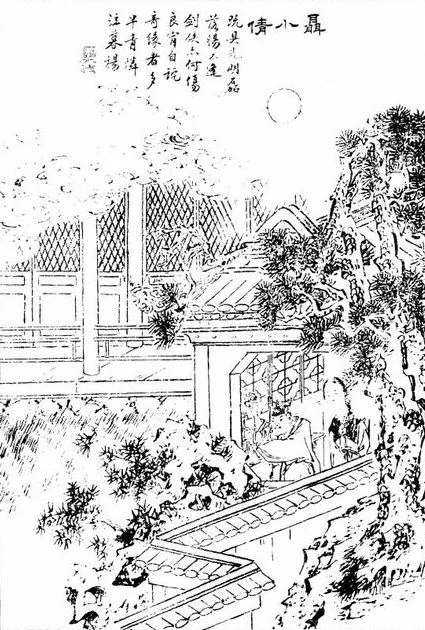
*Nie Xiaoqian illustration. Public domain via Wikimedia Commons. Literary/folk ghost tradition (*Liaozhai* lineage)—related atmosphere, not a documented modern urban legend.*
What Is an Urban Legend?
A story told as recent and true, often with a friend-of-a-friend source, warning or shock payoff, that spreads because it is memorable—not because it is documented. Folklorists study structure and social function.
Classical Ghost Literature Is Different
Tales of Nie Xiaoqian and other *Liaozhai*-type narratives are literary/folk ghost traditions. They influence modern imagination but are not automatically “urban legends.”
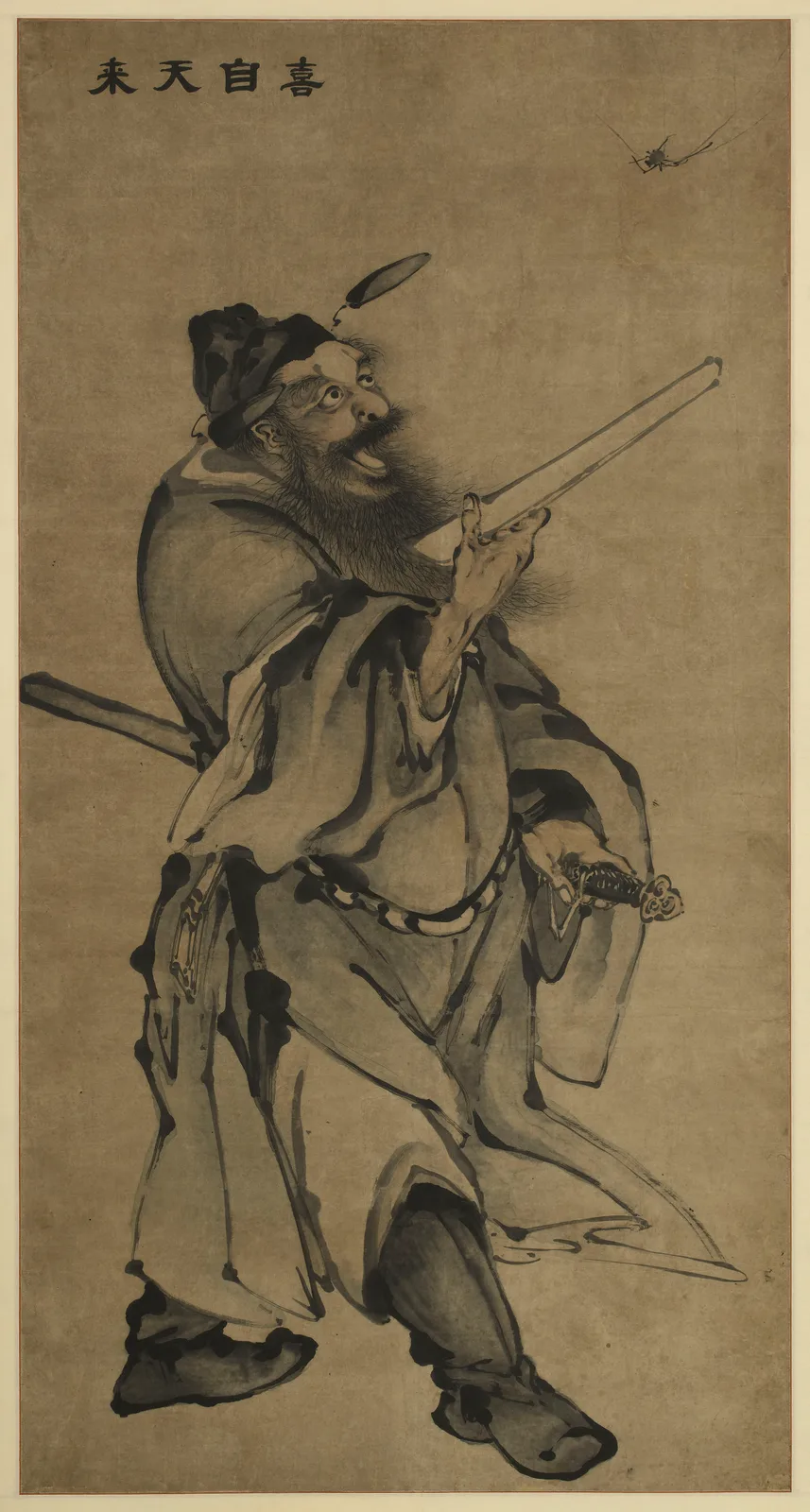
*Zhong Kui. Met Open Access / CC0 via Wikimedia Commons. Demon-queller imagery in folk/religious art—contextual, not a viral rumor.*
How Travelers Meet Rumor Culture
Hostel stories, social apps, “don’t go there at night” tips. Evaluate like any rumor: primary documentation, official notices, and ordinary risk sense—not cinematic certainty.
Urban legends often spread without reliable documentation, so a viral story should not be presented as a verified incident without independent evidence.
Relation to Folklore and Religion
Festival ghosts, Hungry Ghost observances and temple lore belong with folklore, festivals and folk religion—adjacent, not identical.
Common Misconceptions
- Spooky classical tale ≠ urban legend.
- Viral post ≠ verified event.
- Classical zhiguai stories are literary traditions, not modern rumor documentation.
Chinese Urban Legends FAQ
What is a Chinese urban legend?
A modern rumor-style narrative circulating as contemporary truth; a folklore genre studied for form and function.
Is Nie Xiaoqian an urban legend?
No—she belongs to literary/folk ghost tradition. Shown here only to separate categories.
How are urban legends different from classical Chinese ghost stories?
Classical ghost and anomaly tales such as zhiguai are literary and folk traditions; urban legends claim recent real-world events and spread as contemporary rumor.
Are temple ghost stories urban legends?
Usually not; they sit closer to religious folklore and local legend.
Related Pages
Sources
- Metropolitan Museum of Art — open-access materials for related folk and religious imagery where used on this page.
- Classical ghost literature context: zhiguai / *Liaozhai*-type traditions (literary, not modern urban legend documentation).