
Chinese Folklore at a Glance
| Topic | Orientation |
|---|---|
| Focus | Customary motifs & popular belief practices |
| Signature image | Door gods |
| Festival link | Chinese Festivals |
| Vs mythology gods | Folklore = practice/motif; gods page = divine figures map |
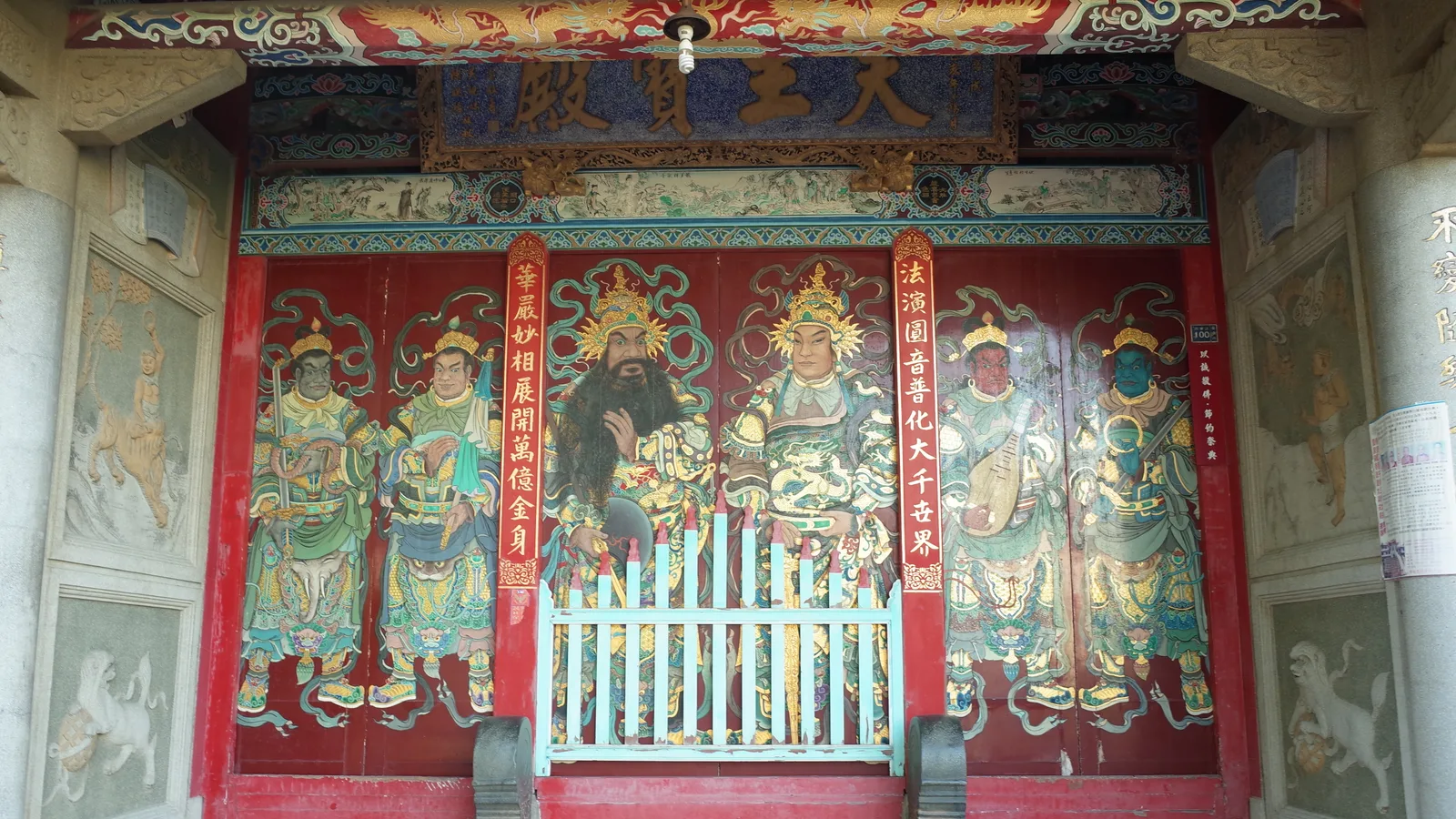
*Door gods. Photo/print via Wikimedia Commons — CC BY-SA 4.0. Cropped/resized; non-generative. New Year door protection is a classic folklore motif.*
Folklore and Folk Religion
Folklore names the story/custom motifs; folk religion names ritual community life. Travelers often experience both in one temple visit.
Door Gods and Protective Prints
New Year door pairing prints are among the most visible folklore images. Variants and identities differ by region and period.
Festival Folklore
Moon, boat and star festivals carry narrative motifs—Weaver Girl themes connect to Qixi and folktales.
Folklore vs Urban Legends
Classical customary lore ≠ modern chain-rumor urban legends. See urban legends for the modern genre caution page.
Common Misconceptions
- Folklore ≠ “fake religion.”
- One print motif ≠ nationwide identical belief.
- Not all folklore is ancient unbroken survival.
Chinese Folklore FAQ
What is Chinese folklore?
Popular customary beliefs, motifs and narrative habits—door gods, festival lore and related practices.
What are door gods?
Protective deity images pasted or hung at entrances, especially around New Year.
Is folklore the same as mythology?
Related; gods, creatures and mythic narratives are covered on dedicated guides, while this page focuses on customary folklore practice.
Related Pages
Sources
- Metropolitan Museum of Art — open-access materials related to popular protective and festival imagery where relevant.
- Chinese Festivals and Chinese Folk Religion for living customary practice.