
At a Glance
| Topic | Orientation |
|---|---|
| Turning point | Late Qing → May Fourth vernacular modernity |
| Language shift | Literary vernacular as modern literary norm |
| Representative figure | Lu Xun (鲁迅 / 魯迅) among others |
| Parent | Chinese Literature |
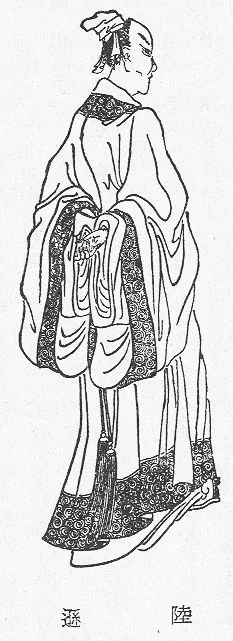
*Portrait of Lu Xun. Public Domain according to current Wikimedia Commons description. Resized by DragonTrail; non-generative.*
What “Modern” Means Here
Not merely “recent,” but a historical shift in language ideology, genre, print culture and the writer’s public role.
May Fourth and Vernacular Writing
May Fourth cultural debates promoted writing closer to spoken vernacular for literature and thought. Treat slogans carefully; the movement is a cluster of debates, not one night’s event.
Lu Xun and Contemporaries
Lu Xun’s stories and essays are frequent starting points in English. He is not the only modern Chinese writer—see Authors & Writers.
Reading in English
Translation quality varies. Prefer named translators and short introductions over anonymous web dumps.
Common Misconceptions
- Equating modern literature only with Lu Xun
- Assuming classical literature ended overnight in 1919
FAQ
Is modern Chinese literature only novels?
No—stories, essays, poetry and drama all participate.
How does it relate to classical literature?
Modern writers often redefine themselves against classical training while still quoting it.
Translation and Global Readers
English “Chinese literature” shelves often overweight a few modern names. Use that as a start, then notice what your anthology omits—regional writing, women writers, later contemporary voices.
Sources and Review
Traveler overview of modern literary turning points; Lu Xun portrait credit above. 2026-08-30.