
| Item | Detail |
|---|---|
| Chinese | 食疗 (shíliáo) — food therapy / dietary therapy |
| Classical idea | Foods categorized in TCM vocabulary alongside herbs—not identical to calories/macros |
| Distinct from | Restaurant dining; fad "TCM diet" marketing; disease-treatment meal plans |
| Everyday overlap | Ginger, dates, goji in soups—culinary before clinical |
| Related | Chinese Food; Chinese Herbal Medicine |
What Dietary Therapy Means in TCM Teaching
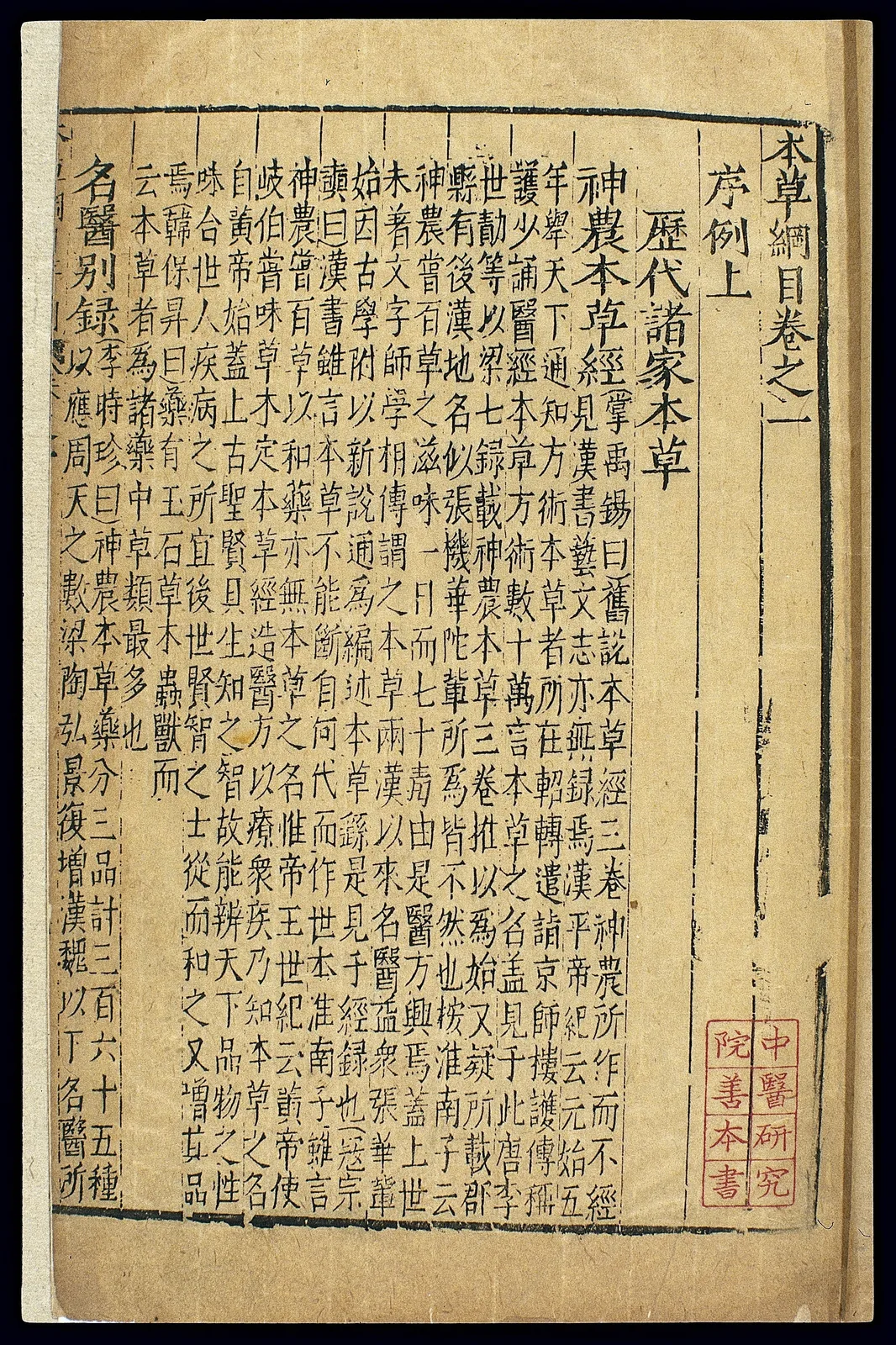
Classical texts and modern TCM wellness books describe foods with nature (寒热温凉) and flavor (酸苦甘辛咸) correlates—used in professional pattern language, not as a single chart for all humans. Seasonal eating (e.g. lighter cooling foods in hot summer in folk advice) appears in popular media.
Thermometer temperature ≠ TCM "cold/warm" nature in classical description—a room-temperature salad can be labeled "cool nature" in theory while hot soup is "warm nature."
Food vs Herb Line
| Layer | Traveler example |
|---|---|
| Daily food | Rice, noodles, bok choy, pork—Chinese Food |
| Food–medicine overlap | Ginger tea, red date soup, goji in congee |
| Concentrated materia medica | Prescription herbs in Chinese Herbal Medicine |
Concentration and formulation matter; eating ginger in stir-fry is not equivalent to a multi-herb decoction.
What You May Hear in China
- "This is heating" (上火) after fried or spicy meals—folk idiom, not clinical diagnosis
- Postpartum confinement meals (月子餐)—cultural practice with regional recipes; medical necessity varies by individual obstetric advice
- Wellness restaurant menus listing TCM tags for marketing
DragonTrail does not tell readers what they should eat for personal medical conditions.
Seasonal and Regional Context
China's regions differ—Cantonese soup culture, northern wieat staples, Sichuan spice. Regional cuisine is travel reality; TCM dietary theory overlays some folk customs but does not replace balanced eating or allergist guidance.
Pair food tourism with Chinese Tea as beverage culture separate from therapy claims.
Beijing for Food-Focused Travelers
Visitors explore Chinese Food and Beijing specialties (Peking duck, dumplings, hotpot) without treating every meal as TCM. Optional cultural sessions—Traditional Chinese Medicine experience—may mention dietary vocabulary in educational framing.
Boundaries DragonTrail Enforces
- No detox, anti-cancer, or weight-loss meal plans
- No instructions to replace medication with "TCM foods"
- No diagnosis from food cravings or tongue photos
See Evidence & Safety and TCM vs Western Medicine.
Common Misconceptions
- "TCM says never eat cold salads." Simplified social media rules ignore individual medical needs and modern nutrition care.
- "Superfoods from China cure disease." Marketing exaggerates classical mentions.
- "Dietary therapy equals hospital nutrition department." Hospital clinical nutrition (临床营养) uses biomedical frameworks; TCM dietary talk is related but not identical.
FAQ
Is TCM food therapy the same as Chinese cuisine?
Related vocabulary sometimes, but restaurant meals are primarily culinary culture—see Chinese Food.
Should foreigners follow TCM diet charts online?
DragonTrail does not recommend personal diet prescriptions; consult licensed nutrition or medical providers for health conditions.
What is "cooling" food in TCM talk?
Classical category describing food nature in theory—not literal refrigerator temperature.
Do tea and food therapy overlap?
Tea appears in daily life and historical texts; Chinese Tea is not medical advice.
Where can I learn vocabulary safely?
Yin, Yang & Five Elements and cultural introductions in TCM in Beijing.
Continue Exploring
Sources & Review
- Classical dietary chapters in TCM textbooks (general framework)
- Chinese Food cluster — culinary context
- Chinese characters verified
- Author: Chuan Shi
- Last reviewed: September 2026