
Chinese Music at a Glance
| Topic | Orientation |
|---|---|
| Umbrella | Multiple musical systems, not one national genre |
| Common English labels | Traditional, folk, classical, opera, contemporary |
| Signature instruments | Guzheng, erhu, pipa, dizi (and many others) |
| Related stage art | Chinese opera / xiqu uses specialized music |
| Traveler contact | Concerts, teahouses, museums, tourist shows, temples |
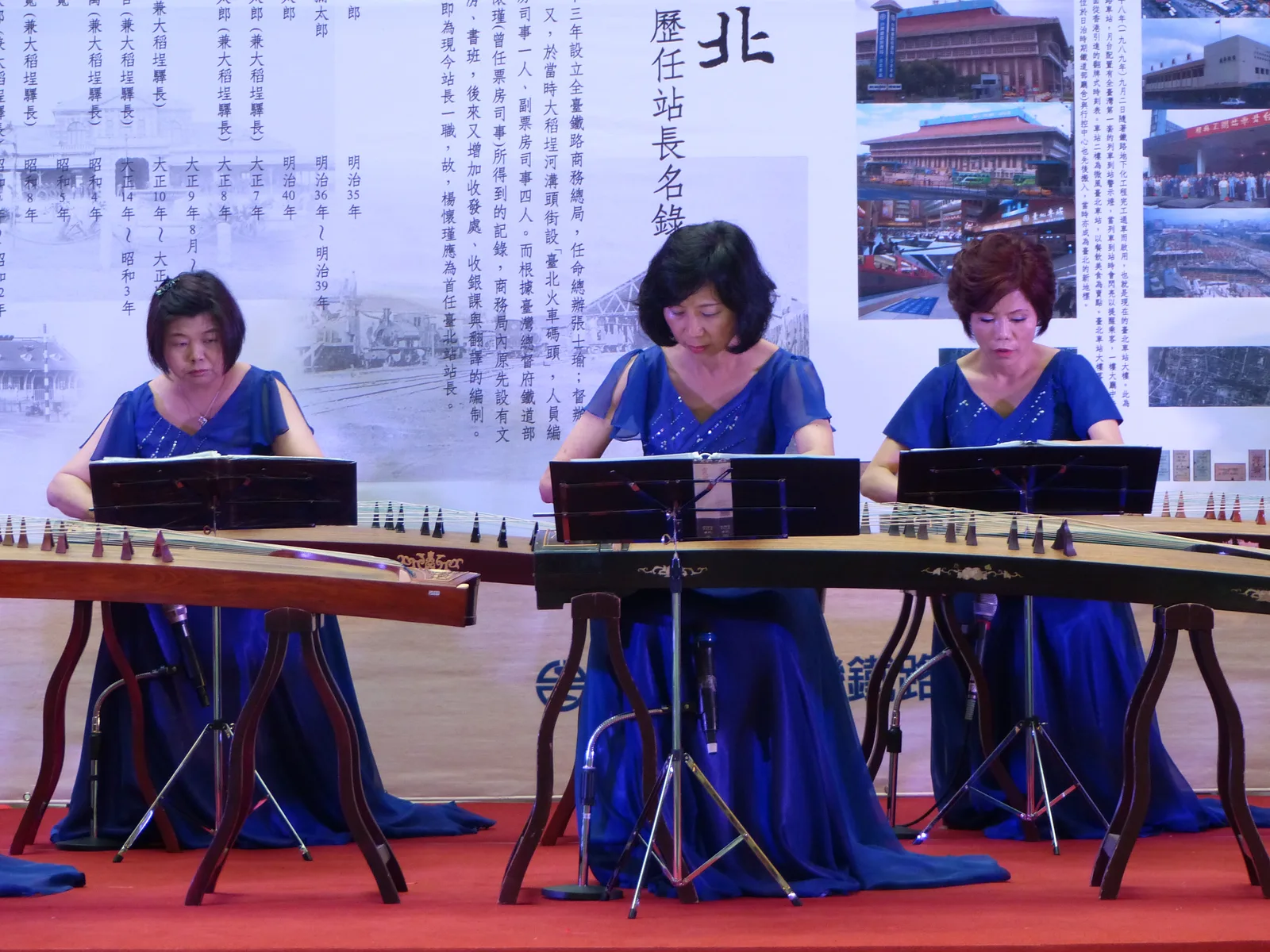
*Guzheng ensemble performance (Yulin Guzheng Band), Taipei. Wikimedia Commons — CC0. Cropped/resized by DragonTrail; non-generative. Caption geographic context accurately—this image is not a mainland China venue.*
What “Chinese Music” Means
Chinese music covers several related but distinct contexts. Distinguish:
- Traditional / historical systems — court, literati, folk, ritual
- Instrument families — strings, winds, percussion
- Opera music — melodic and percussion frameworks for xiqu
- Modern concert and popular music — arranged traditional works, film, pop
Do not treat one concert arrangement as “the” authentic form of Chinese music.
How to Explore This Cluster
- Traditional Chinese Music
- Chinese Musical Instruments
- Ancient Chinese Music
- Chinese Classical Music
- Chinese New Year Music
- Stage context: Chinese Opera
- Parent hub: Chinese Performing Arts
Instruments Travelers Hear Most Often
Four instruments have dedicated guides: guzheng, erhu, pipa and dizi. Many other instruments—guqin, sheng, suona, xiao, ruan, yangqin and drums—appear in ensembles and are introduced here as part of the wider instrument family.
Traditional, Folk, Court and Opera Contexts
Regional diversity is central. A Jiangnan silk-and-bamboo ensemble, a northern wind-and-percussion band and a Peking Opera orchestra are not interchangeable. Read Traditional Chinese Music before treating tourist “folk music shows” as ethnographic samples.
Ancient Evidence vs Living Practice
Archaeology (bronze bells, excavated zithers) and textual sources document early musical culture. Continuity claims must be careful—see Ancient Chinese Music.
What English “Classical” Usually Means
English Chinese classical music is ambiguous. It may mean literati/court traditions, modern national-orchestra repertory, or simply “not pop.” Clarification: Chinese Classical Music.
Festival Soundscapes
New Year percussion, winds and festive songs form a distinct listening context: Chinese New Year Music.
Where Travelers Encounter Chinese Music
Museums, concert halls, teahouses, temple festivals, tourist evening shows and opera theatres. Destination night shows in Xi’an, Shanghai, Chongqing and Zhangjiajie often mix music, dance and spectacle—compare via city night-show hubs under Chinese Performing Arts.
Common Misunderstandings
- One unified “Chinese music style” — false.
- Opera music equals all traditional music — false.
- Any bamboo flute is a dizi — not always; see the dizi guide.
- Guzheng and guqin are the same — false.
- Tourist dinner shows equal historical court music — usually false.
Chinese Music FAQ
What is Chinese music?
An umbrella for many Chinese musical systems—traditional, folk, ritual, opera-related, concert and popular—not one genre.
What is traditional Chinese music?
A cluster of historical and regional practices. Guide: Traditional Chinese Music.
What are the main Chinese musical instruments?
Many families exist. Useful starting points for travelers are guzheng, erhu, pipa and dizi. See Chinese Musical Instruments.
Is Chinese opera part of Chinese music?
Opera (xiqu) has its own music systems and also belongs under Chinese Opera.
What is Chinese classical music?
An ambiguous English label—see Chinese Classical Music.
Where can travelers hear Chinese music in China?
Concerts, museums, teahouses, festivals, opera houses and curated tourist shows—quality and authenticity claims vary.
Sources and Review
Cross-check instrument and historical claims against museum catalogues and institutional cultural materials. Last reviewed: September 2026. Volatile venue, schedule and ticket details change—confirm with official operators before travel.