
At a Glance
| Topic | Orientation |
|---|---|
| Chinese title | 红楼梦 / 紅樓夢 |
| Period | Mid-18th century novel culture (Qing) |
| Attribution | Commonly associated with Cao Xueqin; complex transmission |
| Focus | Family life, emotion, social texture, decline |
| Parents | Four Great · Novels |
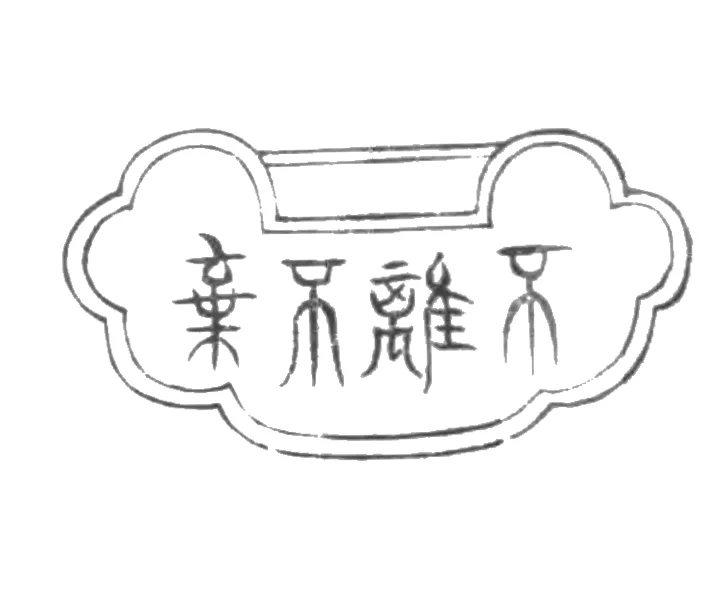
*Illustration from the Cheng-A edition tradition of Dream of the Red Chamber. Public Domain scan via Wikimedia Commons. Resized by DragonTrail; non-generative.*
What the Novel Is
A densely social novel of manners, attachment and loss inside a great household’s world. It is often praised for psychological detail and everyday texture rather than battlefield plot.
Authorship and Versions
Use cautious language: Cao Xueqin is the central associated author; manuscript and printed traditions (including later completion questions) are debated. Do not flatten the textual history into one neat slogan.
Themes and Characters
Love, kinship, status, illusion and the fragility of privilege. Major figures such as Baoyu, Daiyu and Baochai are best met in reading rather than spoiler lists.
Why It Matters
It anchors later criticism of the Chinese novel as serious art and remains a touchstone for Qing cultural imagination.
Traveler Note
Literary memorial culture exists in China, but this page does not invent a Red Chamber tour product.
Common Misconceptions
- Treating every edition as identical
- Reading it as a simple romance only
- Confusing it with older “Four Books” Confucian scripture
FAQ
Is Dream of the Red Chamber one of the Four Great Novels?
Yes—within that later grouping.
Who wrote it?
Commonly associated with Cao Xueqin; transmission and later chapters are complex.
Editions Travelers Hear About
Cheng-A and related print traditions appear in illustration history; manuscript names appear in specialist discussion. For travelers, the practical point is: translations may follow different chapter counts and endings—check the translator’s note.
Sources and Review
Standard literary orientation with textual caution; Cheng-A illustration credit above. 2026-08-30.