
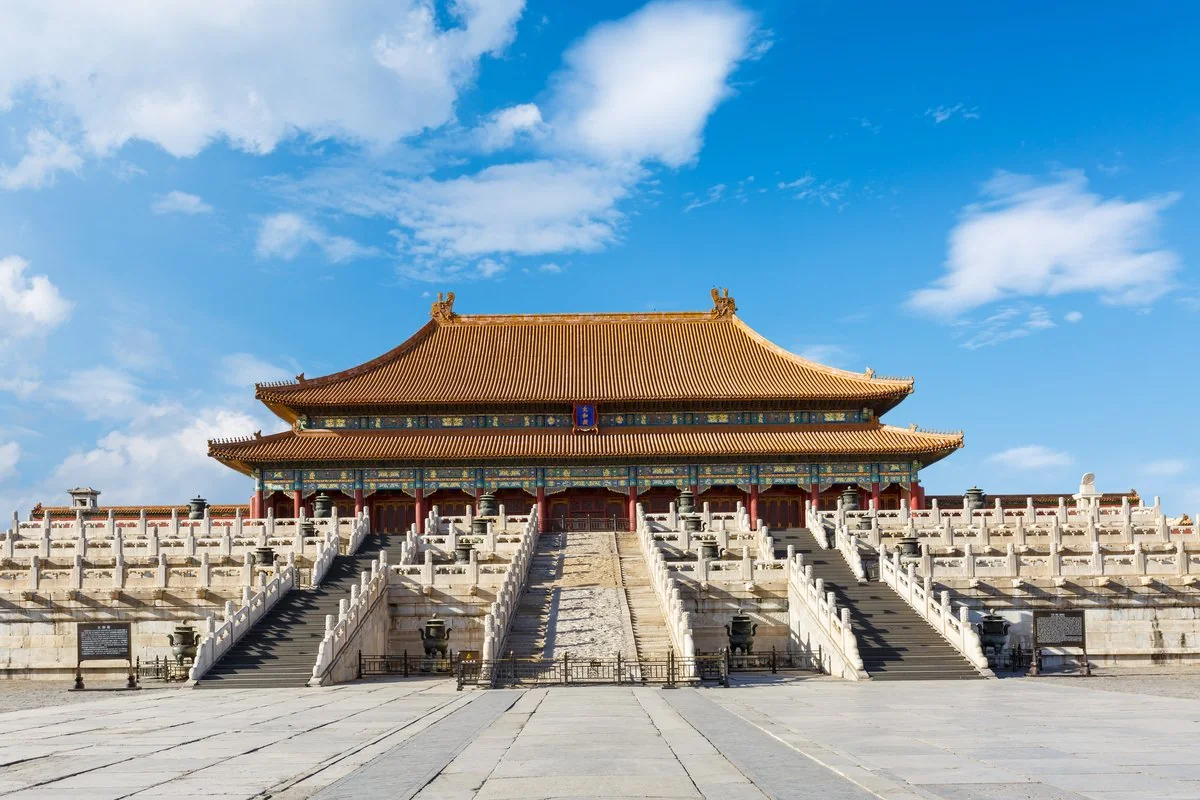
Beijing makes sense if you want the Great Wall and imperial history. Xi’an adds the Terracotta Warriors and a different chapter of China’s past. Shanghai brings riverfront architecture and contemporary city life. Beyond those three, your next stop should depend on what you want more of: food, pandas, countryside, mountains or time to wander.
For a first trip of around ten days, we would usually choose three bases. With two weeks, four can work comfortably if the connections make sense. The places below are a shortlist to choose from, not a route to complete.
Choose the experience before the destination
| What you want | Places to consider | Suggested nights |
|---|---|---|
| Palaces, imperial history and the Great Wall | Beijing | 4–5 |
| Archaeology, city walls and northern Chinese food | Xi’an | 2–3 |
| Architecture, riverfront walks and a big-city finish | Shanghai | 3–4 |
| Pandas, Sichuan food and time in teahouses | Chengdu | 3–4 |
| River scenery and countryside at a gentler pace | Guilin and Yangshuo | 3–4 combined |
| Sandstone pillars and dramatic viewpoints | Zhangjiajie | 3–4 |
| Mountain walking, granite peaks and pine trees | Huangshan | 2–3 in the area |
| Old towns, lakes and a longer regional stay | Dali and Lijiang in Yunnan | 5–6 combined |
| Lakeside walks and tea country | Hangzhou | 2–3 |
| Classical gardens and canal-side streets | Suzhou | 1–2 |
These are planning recommendations, not minimum stays. Arrival and departure times matter: three nights may give you only two full sightseeing days. For route examples, see our China itineraries.
Start with history and city life
Beijing: for the Great Wall and imperial landmarks
Choose Beijing if the Forbidden City, Temple of Heaven and Great Wall are among the things you most want to see. The appeal is their scale and variety: palace courtyards, ceremonial architecture, residential hutongs and a wall running across mountain ridges.
Allow four or five nights if you want the main sights without filling every available hour. Give the Great Wall a separate day rather than treating it as another city stop. Palace visits also involve more walking than a short list of attractions suggests.
Beijing pairs naturally with Xi’an for history, or Shanghai for a different urban setting. If you have only a week and Beijing is your priority, consider staying longer and adding one other place. You do not need a third city to make the trip worthwhile.
Xi’an: for archaeology and a compact historical stop
The Terracotta Warriors are the main reason many travelers include Xi’an, but the City Wall, Great Mosque area and local food give the stay more substance than a single museum visit. Plan time for noodles or roujiamo rather than eating only between transfers.
Two nights can work for a focused stop; three give you more room for the city itself. The warriors are outside the center, so their visit needs its own block of time. They are not a quick detour between old-city sights.
Keep Xi’an when archaeology interests you. If neither the warriors nor the other historical sites particularly appeal to you, those nights might be better spent in Chengdu or a landscape destination.
Shanghai: for architecture and neighborhood walks
Shanghai rewards looking at the city itself. Walk the Bund for the contrast between its historic waterfront buildings and Pudong across the river, then spend another part of the day among the streets of the former French Concession or around Yu Garden.
Three nights make a useful city stay; four leave room for a slower day or a nearby excursion. Shanghai works especially well when you enjoy architecture, restaurants and evenings out without needing every hour to revolve around a ticketed attraction.
If mountains or rural scenery are the main purpose of your trip, you can shorten Shanghai or leave it out. Its place in your route should depend on your interests and flights, not an obligation to visit every major city.
Add food, pandas or countryside
Chengdu: for pandas and days built around food
Chengdu suits travelers who want a panda visit alongside Sichuan cooking, teahouses and city time. Give yourself room for a meal that runs long and an afternoon without a fixed sequence of sights.
Three or four nights is a useful starting point. Decide whether you want a regional excursion such as Sanxingdui, Dujiangyan or Leshan; each competes with time in Chengdu itself. Trying to fit all of them into a short stay defeats the reason for choosing a slower city stop.
Chengdu is our additional base in the 14-day China itinerary. Choose it when pandas, food or Sichuan history interest you; choose a mountain destination instead if landscape is the missing part of your trip.
Guilin and Yangshuo: for rivers and countryside
Think of Guilin and Yangshuo as one destination with different places to stay. Guilin helps with arrivals and departures; Yangshuo puts you closer to the countryside that many travelers picture when they think of the area. Limestone hills, river views and village lanes are the main reasons to come.
Allow three or four nights combined. A Li River cruise can form part of the move toward Yangshuo rather than becoming an outing followed by unnecessary backtracking. Longji Rice Terraces require a separate route decision; they are not beside Yangshuo.
Choose this area when you want scenery with room for shorter walks and quieter afternoons. Leave it out if adding the journey would reduce your stay to a hurried arrival, one activity and departure.
Explore the Guilin and Yangshuo guides.
Choose one substantial mountain stop
Zhangjiajie: for sandstone pillars and high viewpoints
Zhangjiajie is the choice for steep, slender rock pillars rising from wooded valleys. The Wulingyuan landscape is the main draw; Tianmen Mountain and the Grand Canyon glass bridge are separate scenic areas, not sections of the same park.
We would allow three or four nights and decide which areas matter most. Keep some flexibility for visibility and avoid making every day depend on a particular view. Check the walking distances and steps on your chosen route even if it uses lifts or cable cars. A photograph of an empty lookout says little about queues or the effort of moving through a large scenic area.
Choose Zhangjiajie if these landscapes are a central reason for your trip. If you mainly want a restful countryside break, Yangshuo may fit better. Check actual onward connections before inserting either into a route.
Explore the Zhangjiajie guide.
Huangshan: for a trip centered on mountain walking
Huangshan offers granite peaks, pine trees and views that change with cloud and mist. Its connection with Chinese landscape painting adds another reason to choose it if you enjoy art as well as scenery.
Allow two or three nights in the area and plan the mountain portion around the walking your group wants to do. A town hotel and a mountain hotel serve different purposes; settle that choice before filling the day with viewpoints.
Huangshan is worth considering as part of an eastern China trip with Shanghai or Hangzhou. Omit it when your schedule leaves no weather flexibility, or when the group does not want the mountain visit to be a major part of the trip.
Stay longer in one region
Dali and Lijiang: for a Yunnan trip with room to breathe
Dali brings together its old town, Erhai Lake and the Cangshan mountains. Lijiang adds lanes, courtyards and waterways, with a townscape shaped by Naxi culture. They work best when you want time in a region rather than another brief stop on a national circuit.
Allow five or six nights across the two, or choose one base with less time. Staying in an old town is different from staying beside a lake: decide which setting you want outside your hotel, not only which attractions you can reach.
Consider Yunnan as a major part of your holiday. We would usually save it for another trip rather than squeeze both towns into the final three days of an already full itinerary.
Hangzhou: for West Lake and tea landscapes
Hangzhou suits a trip that leaves room for lakeside walks, gardens and the hills around West Lake. It is a useful contrast to Shanghai when you want to spend more time outdoors without organizing a separate mountain expedition.
Two or three nights allow you to enjoy different parts of the lake and give tea country its own time. An overnight stay also avoids turning every pause into a calculation about the return journey.
Choose Hangzhou if lakes and landscape are the attraction. If your available time is short and classical gardens interest you more, consider Suzhou instead of trying to include both.
Suzhou: for gardens and details worth slowing down to see
Suzhou’s classical gardens are places to notice how a window frames a view, how a path turns around a pond, and how rocks and buildings divide a small space. Their appeal is easier to appreciate with time to look than by collecting several garden names in a day.
One or two nights can make a good addition to Shanghai, although a focused day visit is another option. Choose one main garden and leave room for canal-side streets and a meal.
Suzhou is a good fit for travelers interested in design and architecture. Skip the extra hotel change if you would rather have an unhurried Shanghai day.
Turn the shortlist into a route
Choose two places you would be disappointed to miss. Then add somewhere that offers a different experience, provided the journey is worth the nights you can spend there.
Our 10-day China itinerary uses Beijing, Xi’an and Shanghai. The 14-day version adds Chengdu. If landscape matters more than pandas or food, use the same planning principle and replace a stop rather than adding another one.
For help with a particular day or transfer, tell DragonTrail your dates, likely route and the places you care about most. We can discuss where a private driver or licensed guide would be useful, alongside the parts you prefer to explore independently.