
Suzhou at a glance
| Detail | Plan |
|---|---|
| Good first stay | 2 nights for gardens and Pingjiang |
| Add one excursion | A third night for Tongli or the west side |
| From Shanghai | About 25–35 minutes to Suzhou Station |
| On to Hangzhou | About 1.5–2 hours to Hangzhou East |
| Walk | North gardens, south gardens, and Pingjiang |
| Take a car | Water towns, Tiger Hill, and luggage |
The useful Suzhou plan is a morning inside one garden cluster, an afternoon on one canal street, and at most one longer ride in the whole day. That rule builds the one-day sampler from Shanghai, the two-day stay that covers gardens and Pingjiang Road, and the three-day stay that adds either a water town or the west side. Break the rule and the city turns into gates and traffic. Keep it and even a short visit feels finished.

Times below are a pacing model, not a promise about a particular train. Shift them to the opening hour you confirmed that week, and check the current opening arrangement before you tell anyone to be at a gate. The garden-by-garden reasoning sits in the classical gardens guide. The town-by-town choice sits with the water towns. This page is the order.
One day from Shanghai, kept honest
Leave on a train that puts you into Suzhou Station while the morning is still useful, ideally with the garden walk starting between half past eight and half past nine. Suzhou Station is the stop that serves the old city. If the ticket says Suzhou North, you have added a cross-town ride before the day has begun, and the sampler becomes a commute. From Shanghai Hongqiao the train itself is about 25–35 minutes. The rest is the station, the hop toward the moat, and the discipline to start with one gate.
Spend the morning at Humble Administrator’s Garden. Plan to be inside for about two hours, long enough for the central pond and at least one side court, short enough that lunch is still a pleasure. Add Suzhou Museum, next door, only if the entry time ends by early afternoon. An hour there is a gift beside the garden. A museum visit that runs until two o’clock has eaten the canal. Skip Lion Grove on this day unless the garden and the museum both finished early and the rockery is moving freely. Skip Lingering Garden entirely.
Eat near the north-central lanes. Be on Pingjiang Road by early or mid-afternoon. Walk it slowly into the late afternoon, sit once for tea, and have an early dinner a street off the lane or a simple bowl if the train is calling. Aim to be back at Suzhou Station with a calm margin in the evening, not with a sprint from a bridge. You will have seen the two things that define a first look: a great garden and the old canal lane. That is a complete sampler.
What the sampler leaves out, on purpose
The one-day list leaves out the Master of the Nets, Canglang Pavilion, Couple’s Garden, the Garden of Cultivation, Lingering Garden, Tiger Hill, Hanshan Temple, Shantang Street, and every water town. It also leaves out a second pass at anything you loved. Those omissions are the reason the day works. Travelers who add Lingering Garden “because the train was short” spend the early afternoon in a car and reach Pingjiang already finished. Travelers who add Tongli spend the best hours on a road and see a crowded town at the wrong time of day.
If the sampler is all you have, protect it. If the omissions bother you while you are still planning, you do not have a one-day trip. You have a two-day trip that has not admitted it yet. Stay the night. The evening on Pingjiang, slept in Suzhou rather than raced back to Shanghai, is the first thing the extra night buys, and the south gardens the next morning are the second.
A day trip can still be the right choice between other commitments. Take it in a kinder month if you can, on a weekday if you can, and at opening if you can. Summer heat and holiday crowds are hardest when there is no second morning to repair a rushed hour. Go anyway if the date is fixed, and cut the museum before you cut the garden or the lane.
Two days, gardens and the canal
Two days is the length that covers the old-city essence. Sleep in or just beside the old city, near enough that Pingjiang is an evening rather than a project. Use Suzhou Station for the arrival. If you reach the hotel late on the day before, do not tour. Walk a little, eat, and save your legs.
Day one is the north-central cluster and Pingjiang. Day two is the south gardens, a slower midday, and either Couple’s Garden or a free afternoon. Shantang Street is optional on the second evening only if Pingjiang has already been walked and the group wants a different, more rebuilt street. Tongli is not on this itinerary. Tiger Hill is not on it either. The moment you add one of those, you have designed a three-day trip and then deleted the rest that made it humane.
This is also the right length for many people coming from Shanghai who want Suzhou to feel like a place. The first night is the canal. The second morning is unhurried. The train back can be after lunch on the second day if a garden morning is enough, or in the late afternoon if Couple’s Garden or a last walk matters. Leaving at dawn on day two to “fit more in” throws away the night you stayed for.
The first day, from gate to canal
Be at Humble Administrator’s Garden near opening. Give it ninety minutes to two and a half hours. The central water and pavilions come first. The side sections are where the visit becomes yours rather than the tour group’s. When you leave, you are next door to Suzhou Museum. Use a late-morning entry if you have it, about an hour to ninety minutes, and treat the building as a change of key rather than a second marathon. I.M. Pei’s halls and the garden’s corridors are a conversation. They do not need Lion Grove to complete the sentence.
Lion Grove is the optional add before lunch, forty-five to seventy-five minutes, and only if feet and patience remain. The rockery is the sight, and it clogs on busy days. A good first day can skip it and lose nothing essential. Lunch is nearby, seated, and long enough that the afternoon does not start in a glare of hunger. In summer this pause is the difference between a walk and a retreat to the hotel.
Reach Pingjiang in the mid-afternoon. Cross the bridges in daylight. Sit for tea. Stay into the evening if you are sleeping in Suzhou, and eat a street or two off the busiest stretch. If this is somehow still a day-trip pattern with a late train, shorten the evening and move. Do not add Shantang after dinner. Do not ride west to see the pagoda lit up. The day has already done the north and the canal, which is the whole assignment.
How to choose
| Choice | Fit | Skip when |
|---|---|---|
| Short | The sampler | Only if Suzhou is a hinge, not the point |
| First stay | The default | When you want the main sights without a second region |
| Longer | One add-on | When a single extra place is worth another night |
The second day, south and unhurried
Start at the Master of the Nets Garden, early, and stay forty-five to seventy minutes. The garden is small. Its virtue is that you can hold the sequence in your head, which you cannot do if you arrive in a hurry from another gate. Walk to Canglang Pavilion and give it a similar span of time. The outward view across the canal is part of the idea, so do not spend the entire visit indoors in the first hall. Together these two are a morning, not a footnote.
Lunch can be slower than yesterday. The south of the old city has no further famous obligation. If energy is good, Couple’s Garden in the later afternoon is the one extra gate that still matches the geography, because it sits east, toward the Pingjiang side, and wants about forty-five to seventy-five minutes. If energy is spent, the correct plan is a rest, a neighborhood walk, or a return to a short stretch of Pingjiang in a different light. Repetition is allowed. A new district is not required.
Pan Gate, at the southwest, is the other optional extra, and only for someone who likes walls and water gates more than another courtyard. It is a longer walk or a short ride, not a doorway beside Canglang. Choose Couple’s or Pan Gate or neither. Choosing both, plus Shantang at night, is how day two becomes a collection.
The train back to Shanghai, if it is today, sits best in the afternoon after the south morning, or early evening after a single extra. A west-side attempt before the train will fail quietly: you will see Lingering Garden too fast and miss the station mood you wanted. Save the west for a third day or a future visit.
Three days, with one real choice
Three days is the first length that adds either a water town or Tiger Hill’s side of the city without rushing the gardens. Keep days one and two as they are. Use day three for the choice, and do not split it.
If the third day is a water town, leave after breakfast and let the ride be the long transfer. Tongli is the calmer default for a half day or a night. Arrive late morning, walk the canals, and put Retreat & Reflection in the middle of the visit for about forty-five to seventy-five minutes. Leave in the mid-afternoon for Suzhou, or stay the night if the hotel was chosen for that quiet. Do not open the day with Humble Administrator’s Garden. Do not “drop by” Zhouzhuang on the return. One town.
If the third day is the west, be at Lingering Garden near opening and stay seventy-five minutes to two hours. Go to Tiger Hill late morning and give the hill ninety minutes to two hours, with the leaning Yunyan Pagoda as the landmark rather than a backdrop you photograph from the parking area. Hanshan Temple can follow as a shorter stop if curiosity remains. It should not lead the day. Return to the old city for dinner. A look at Shantang Street can close a west day because you are already on that side of town. Pingjiang plus Shantang plus Hanshan is too many endings.
A third pattern, less common and perfectly sound, is to keep all three days inside the old city: north, south, and a slow day that includes the Garden of Cultivation, the museum if you missed it, and a longer Pingjiang evening. Choose this if the group dislikes excursions, if the weather has turned, or if the gardens are the whole point. You do not owe the trip a water town.
What not to stack
Do not stack the north-central gardens and Lingering Garden on the same morning. The distance makes both of them shallow. Do not stack Tiger Hill and a water town on the same day. Each is already a long transfer relative to the old city, and together they erase the walks that justified the rides. Do not stack two water towns. Tongli, Zhouzhuang, and Luzhi repeat white walls and canals at different volumes of fame. The second town arrives when you are tired and the light is ordinary.
Do not stack a full Suzhou day and a full Hangzhou day on the date you move between them. Suzhou to Hangzhou East is roughly 1.5–2 hours by high-speed train, which is a fine transfer and a poor partner for two city lists. A single morning cluster, then the train, then the hotel and a short lakeside walk, is the stack that works. Lingering Garden plus West Lake plus a temple on the far side is the stack that does not.
Do not stack both famous streets after two gardens. Pingjiang is the street to keep. Shantang is a different night. Guanqian, the central shopping street, can host a meal without becoming an event. If the plan you are holding has more than one garden cluster, more than one canal street, and a town outside the walls, it is a five-day plan written on a weekend. Delete until a stranger could explain the day in one breath.
Evenings, meals, and the pace between
Evenings belong on foot. On day one that means Pingjiang. On day two it means wherever your feet already are, which may be a restaurant and an early night, an honorable outcome after two mornings of stone paths. On a west day it means dinner back in the old city, not a hunt for a night market across town. Suzhou cooking rewards a seated table: noodles or small dishes when you want simplicity, a banquet fish when you want the local sweet-savory style, biluochun if you are sitting long enough for a pot. Eat near the walk you are already on.
Build one sit-down pause into each day besides dinner. Gardens are not large, and they are still tiring, because you are always turning and stepping. Children and older travelers do better with the pause declared in advance. Lion Grove is the first cut when footing is a concern. A second garden after lunch is the second cut. The canal survives both cuts. The memory of the trip usually does too.
If a performance, a boat, or a silk stop appeals, attach it to a day that is already satisfied, and check what is actually offered that week. An evening show that pushes dinner to nine and the next gate to a fog of tiredness is an expensive kind of fun even before anyone talks about money. The show can wait for a night with nothing in the morning. The boat can wait until Pingjiang has been walked. The default evening is already good.
Arriving, leaving, and the Hangzhou continuation
Arrival day logic is simple. A late-morning arrival can still hold a garden and a short lane. A late-afternoon arrival should hold only the lane and dinner. Luggage goes to the hotel before the garden if the hotel will keep it, and with you only if the hop is truly short. This is one of the moments a prearranged car earns its place, between station and old city, and then the walking day proceeds without it.
Departure day logic is the mirror. South gardens in the morning, lunch, train, is a clean ending of a two-day stay. A water-town morning and an evening train can work if the town is Tongli, the visit is short, and nobody also wants a garden. It is a tight ending, and the looser one is better: town on the previous day, train after a calm old-city morning.
Toward Hangzhou, put the rail leg in the late morning or early afternoon. Finish one Suzhou cluster, travel, arrive at Hangzhou East, and take the local hop toward the lake with the larger sightseeing left for the next morning. The following days belong to Hangzhou’s own plan. Coming back through Suzhou for one more garden on the way to Shanghai only works if that garden is the single item on the list. Otherwise go straight and let Suzhou remain the days you already gave it.
If you want these days held in order, with the entries watched and the third-day choice made once, that is the substance of a Suzhou trip rather than a thicker list of names. Tell us whether the water town or the west side is the extra, and the rest of the routing is already here.
Ways to plan the days
These shapes match the Suzhou tours page. They are starting points, not fixed departures.
Suzhou Essence
Time fit: 2 days
Gardens and Pingjiang, with a night in the old city.
- Suzhou
- Suzhou Essence
Why choose it: Gardens and Pingjiang, with a night in the old city.
Classical Suzhou
Time fit: 3 days
Gardens, Pingjiang, and one water town.
- Suzhou
- Classical Suzhou
Why choose it: Gardens, Pingjiang, and one water town.
Suzhou and Hangzhou
Time fit: 4–5 days
Two nights in each city, with the train kept to one day.
- Suzhou
- Suzhou and Hangzhou
Why choose it: Two nights in each city, with the train kept to one day.
Want help shaping the Suzhou days?
Tell us your dates and whether Tongli or Hangzhou belongs in the same trip. We reply with a garden-and-canal plan, with a car only on the days that leave the old city.
Keep planning
Suzhou
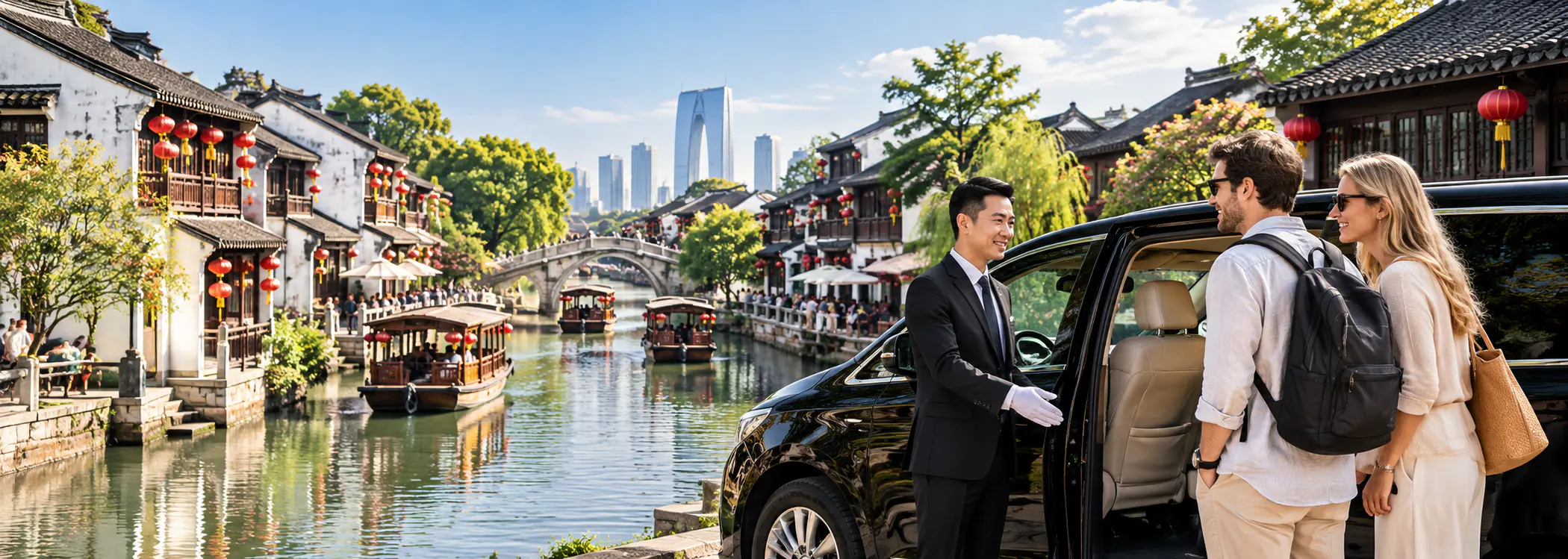
How to pair Humble Administrator’s Garden, the museum, Lion Grove, and the south gardens without rushing the west side.
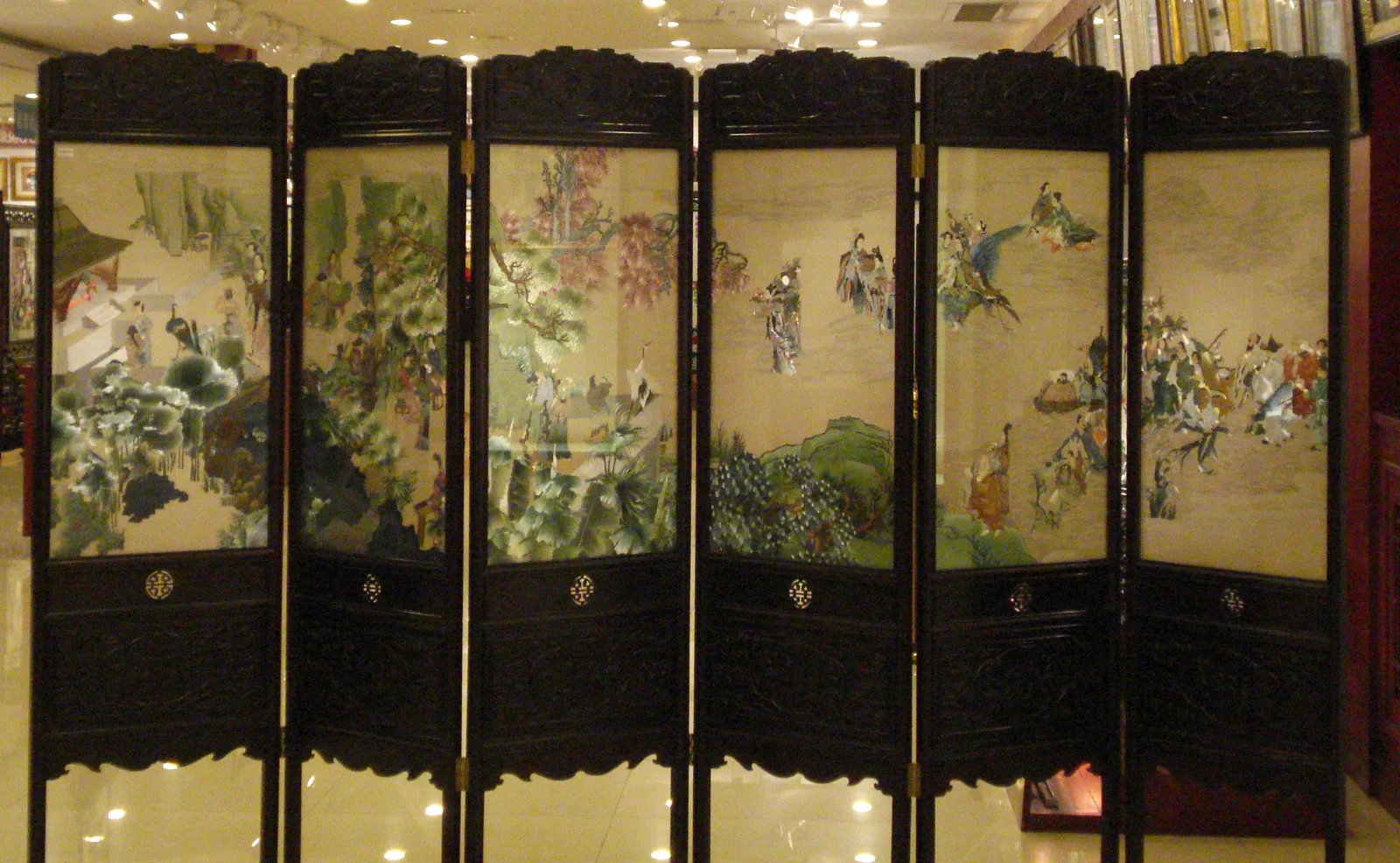
Walk Pingjiang for the canal lane, and treat Shantang as the longer, more rebuilt street — not the same hour.
Late spring and autumn suit the gardens. Summer is humid, winter is quiet, and holiday weeks fill the famous gates.
Tongli, Zhouzhuang, and Luzhi are outside the old city. Choose one, and do not stack two canal towns in a day.
Compare a 2-day garden stay, a 3-day water-town add-on, and a 4–5 day Suzhou and Hangzhou trip.
Questions people ask
- Take an early train from Hongqiao into Suzhou Station, not Suzhou North, and be at Humble Administrator’s Garden during the morning. Stay about two hours. Add Suzhou Museum next door only if you will still reach Pingjiang Road by early afternoon. Eat near the north-central lanes, walk the canal into the late afternoon, and return to the station for an evening train with time to spare. Skip Lingering Garden, Tiger Hill, Hanshan Temple, Shantang Street, and all water towns. The day is a sampler of one great garden and one canal lane. It is a good day inside those limits, and a poor day if the limits are treated as suggestions. In summer, start earlier and shorten the museum before you shorten the garden.
- Give day one to the north-central walk and Pingjiang, and day two to the south. On the first morning see Humble Administrator’s Garden and, if the hour fits, Suzhou Museum, with Lion Grove only as an optional add before lunch. Spend the afternoon and evening on Pingjiang Road and sleep in the old city. On the second morning see the Master of the Nets and Canglang Pavilion, then either rest or add Couple’s Garden toward the east. Leave Tongli and Tiger Hill off this plan. Two days covers gardens and the canal lane. The moment a water town or the west side is essential, you are looking at three days. A train back to Shanghai after lunch on day two is comfortable. A dawn departure wastes the night you stayed to have.
- Keep the first two days as the old-city essence, and use the third day for one extra. Either go to a single water town, with Tongli the calmer choice and Retreat & Reflection included inside that visit, or go west for Lingering Garden in the morning, Tiger Hill afterward, and Hanshan Temple only if attention remains. Do not schedule both extras. A third, quieter version stays inside the old city: a smaller garden such as the Garden of Cultivation, the museum if you missed it, and a longer canal evening. The three-day trip works because each day still has one main geography. It fails when day three tries to repair everything day one and day two correctly left out. Choose the extra before you arrive, so the mornings stay specific.
- A garden morning and a water town afterward is the rushed version of both. The town wants a late-morning arrival and a real walk, and the garden wants your fresh hour. Put the town on its own day, leave after breakfast, and let the ride be the one long transfer. Tongli can be a half day plus the return, or a night. Zhouzhuang is more famous and more crowded, and it is a poor fit after a morning gate in Suzhou. Do not add a second town on the way back. If you only have two days and the town is the priority, keep one morning at Humble Administrator’s Garden and give the other day to Tongli, with Pingjiang shortened.
- Leave out the west side first if you are protecting Pingjiang and the north gardens. Lingering Garden, Tiger Hill, and Hanshan Temple are a separate morning, and they are the easiest famous names to postpone. Leave out the second water town always. Leave out Shantang Street until Pingjiang has been walked. Leave out Lion Grove if the group is tired, if the stones are jammed, or if footing is a worry. On a one-day trip, leave out the museum the moment it threatens the canal afternoon. On any trip, leave out a same-day dash to Hangzhou with a full list on both ends. The sights that remain, seen at the right hour, will feel larger than a longer list recalled from the back of a car.
- Start near opening for the garden you most care about. On a practical clock, that means being at the gate in the first hour, walking until late morning, and sitting down to lunch rather than beginning a second major district. Check the current opening arrangement, because the hour moves and holiday weeks sometimes change the pattern. The payoff is the path before the largest groups settle into the famous views. Arriving at eleven still allows a visit, and it is a different, more crowded visit, especially from late March through May and in October. In summer the early hour is also the cool hour. In winter it is simply the calm one. Build breakfast and the hop from the hotel backward from that gate, and let the afternoon canal start when the morning is actually finished.
Plan a Suzhou visit
Share your dates, whether you arrive at Suzhou Station or Suzhou North, and if a water town matters. We reply with a practical Suzhou plan.