
Sanya by month
| Months | Weather | Sea | Crowds | Verdict |
|---|---|---|---|---|
| Nov–Dec | Dry, warm, sunny | Calm, clear | Rising | Best |
| Jan–Feb | Dry, mild-warm | Calm, a little cooler | Peak (Chinese New Year) | Best — book early |
| Mar | Dry, warm | Calm | Moderate | Best |
| Apr–May | Hot, getting humid | Warm, calm | Lower | Shoulder — good |
| Jun–Sep | Hot, humid, afternoon storms | Very warm | Summer school holidays | Hot — mornings only |
| Oct | Warm, drying out | Warm | Golden Week spike | Shoulder |
| Jul–Oct | Typhoon season | Closures possible | — | Caution |
Sanya's climate in one paragraph
Sanya sits at about 18° north — on roughly the same latitude as Hawaii — on the southern tip of Hainan Island, making it China's only truly tropical beach city. It never gets cold: winter days are typically in the mid-20s °C and summer days in the low 30s °C. What changes through the year is rain, humidity and storms. The dry season runs roughly November to April; the wet season May to October brings short, heavy afternoon showers and, from July, the chance of typhoons.
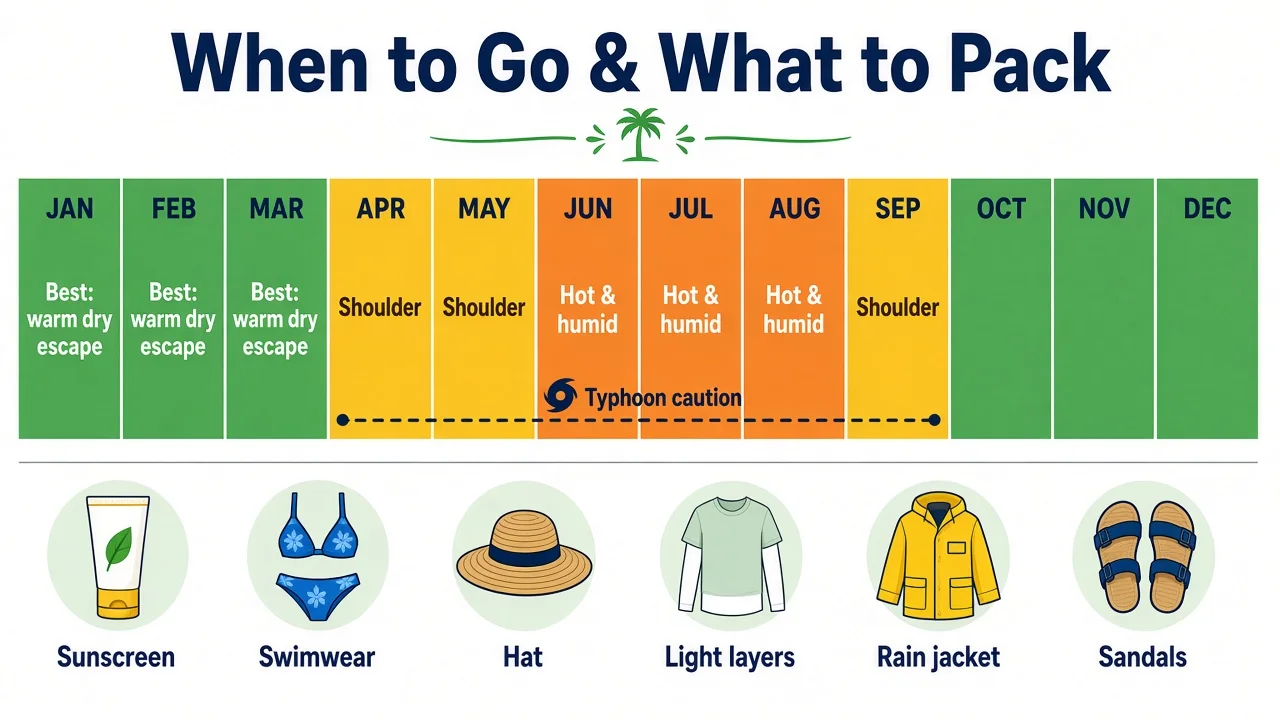
November to March — the best window
This is what Sanya is famous for: blue skies, low humidity, calm seas and warm water while most of China and much of the Northern Hemisphere is cold. Wuzhizhou visibility is usually at its best. Evenings can feel pleasantly fresh, and a light layer is handy on ferries and in air-conditioning.
The catch is demand. Chinese families, retirees escaping the north, and international visitors all come now. Chinese New Year (late January or February) is the single busiest and most expensive week of the year, with high hotel rates and long queues at Nanshan and Wuzhizhou. If your dates are flexible, early December or March give you peak weather with fewer people.
April, May and October — shoulder seasons
April and May are warm, mostly dry early on, and noticeably quieter after the winter crowds leave. Humidity builds through May. Excellent for beach-focused trips and good value.
October is the tail of the wet season — warm, increasingly dry, but still within typhoon season. The National Day Golden Week (1–7 October) brings a sharp domestic spike; the rest of the month is calm. Fine for travel with a flexible plan.
June to September — hot and humid
Summer is hot (low-to-mid 30s °C), very humid, and punctuated by short, intense afternoon storms. Mornings are often clear and beautiful. Chinese school holidays (July–August) bring families, and searches for Sanya actually peak in summer as well as winter.
Summer works well if you plan around the heat: sightseeing from 07:30 to about 11:00, pool and shade at midday, sunsets and dinners outside in the evening. The rainforest at Yanoda is at its lushest. Avoid long exposed walks at noon, especially at Nanshan.
Typhoon season — the honest version
Typhoons and tropical storms can affect Sanya roughly July to October, most often August and September. Most weeks pass without one, but when a storm approaches, the authorities can suspend ferries (including Wuzhizhou), close beaches and, occasionally, cancel flights for a day or two. Hotels are built for it and safety procedures are good.
How we handle it:
- We never put Wuzhizhou on your last full day in these months, so it can move.
- We watch forecasts and swap sightseeing and free days when needed.
- We recommend travel insurance that covers weather delays.
- On short trips, we suggest adding a day in this season.
A typhoon warning is not a reason to avoid Sanya entirely — but it is a reason not to plan a tight trip.
Packing list
| Item | Why |
|---|---|
| Sunscreen (reef-friendly) | Strong UV all year |
| Swimwear (2 sets) | Damp humidity — things dry slowly |
| Hat + sunglasses | Shadeless temple causeway and island |
| Light layers | Air-conditioning, ferries, evening breeze in winter |
| Rain jacket / compact umbrella | Summer storms; typhoon season |
| Sandals + water shoes | Hot sand, rocky coves, reef |
| Scarf or long trousers | Temple dress code at Nanshan |
| Insect repellent | Rainforest and evenings |
Month-by-month notes
- January: peak dry season; Chinese New Year often falls late Jan or Feb — book far ahead.
- February: warm and dry; holiday crowds early in the month, quieter afterwards.
- March: one of the best months — warm, dry, calmer after the holidays.
- April: heating up, still mostly dry; great value.
- May: humid, first rains; quiet and good for beach-only trips.
- June: hot, wet season begins; short afternoon storms.
- July: hot, humid, school holidays; typhoon caution begins.
- August: hottest and wettest; highest typhoon frequency with September.
- September: humid, storm-prone, but quiet after school returns.
- October: drying out; Golden Week busy, rest of the month calm; typhoon caution until month-end.
- November: dry season returns; one of the best months before peak prices.
- December: excellent weather; busy around Christmas and New Year.
Packing by traveller type
Families: rash vests for children, swim nappies, a lightweight travel car seat if you need one, and a small first-aid kit with rehydration salts. Older travellers: a folding sun umbrella, comfortable walking sandals with grip, and any regular medication in hand luggage. Divers and snorkellers: your own mask if you have a good one, a dive certification card, and anti-fog solution. Everyone: a waterproof phone pouch, a power bank, and a light long-sleeve shirt for strong sun and air-conditioned restaurants.
Health and comfort in the heat
Drink water steadily through the day, not just when thirsty, and add electrolytes on sightseeing days. Plan shade breaks every hour outdoors. Coming from a northern winter, give yourself the first afternoon to adjust before any big day. Mosquitoes are most active around dusk, especially inland; repellent is useful at Yanoda and on evening terraces.
Plan Sanya around the season
Tell us your month and we will shape the right package — with island and sightseeing days placed where the weather is most likely to cooperate.
Typhoon-season planning checklist
- Check the Hainan Meteorological Service or your hotel's notices daily.
- Keep Wuzhizhou or West Island mid-trip with a swap day.
- Book flexible or refundable hotel rates when possible.
- Buy insurance covering weather delays before a storm is named.
- On a warning day, stay at your hotel: beaches close and the sea is dangerous even when skies look calm.
- Expect one or two disrupted days at most; storms usually pass quickly.
Weather mistakes to avoid
- Treating winter as "cool". UV is still strong in January — sunburn is common.
- Packing only for heat in December–February. Evenings and ferries can feel fresh; bring a light layer.
- Ignoring Chinese holidays. Weather is irrelevant if you spend it in queues.
- Planning outdoor sightseeing at noon in summer. Heat exhaustion is a real risk.
Sea temperature and swimming
The sea is swimmable all year. In winter it is around 24–26 °C — refreshing rather than cold — and by late summer close to 30 °C. Winter has the clearest water; summer storms can stir it up for a day or two. Jellyfish are occasional in the warmer months; hotels post notices.
Matching the season to your package
- November–March: any package works. Book hotels and Wuzhizhou early.
- April–May, October: great for Classic; quieter islands.
- June–September: choose a slightly longer shape so sightseeing days can be shorter.
- July–October: Classic (5–6 days) or Island Highlights (7 days) give you weather buffers.
Compare the options in tour packages compared.
Season-led frames
How we shape the same trip in different months.
Winter (Nov–Mar)
Full flexibility — Nanshan any morning, island any day, sunsets at 18:00
Summer (Jun–Sep)
Sightseeing 07:30–11:00 only Pool midday Evening sunsets and dinner
Typhoon caution (Jul–Oct)
Island mid-trip with swap day Insurance recommended Consider +1 day
Plan your Sanya trip
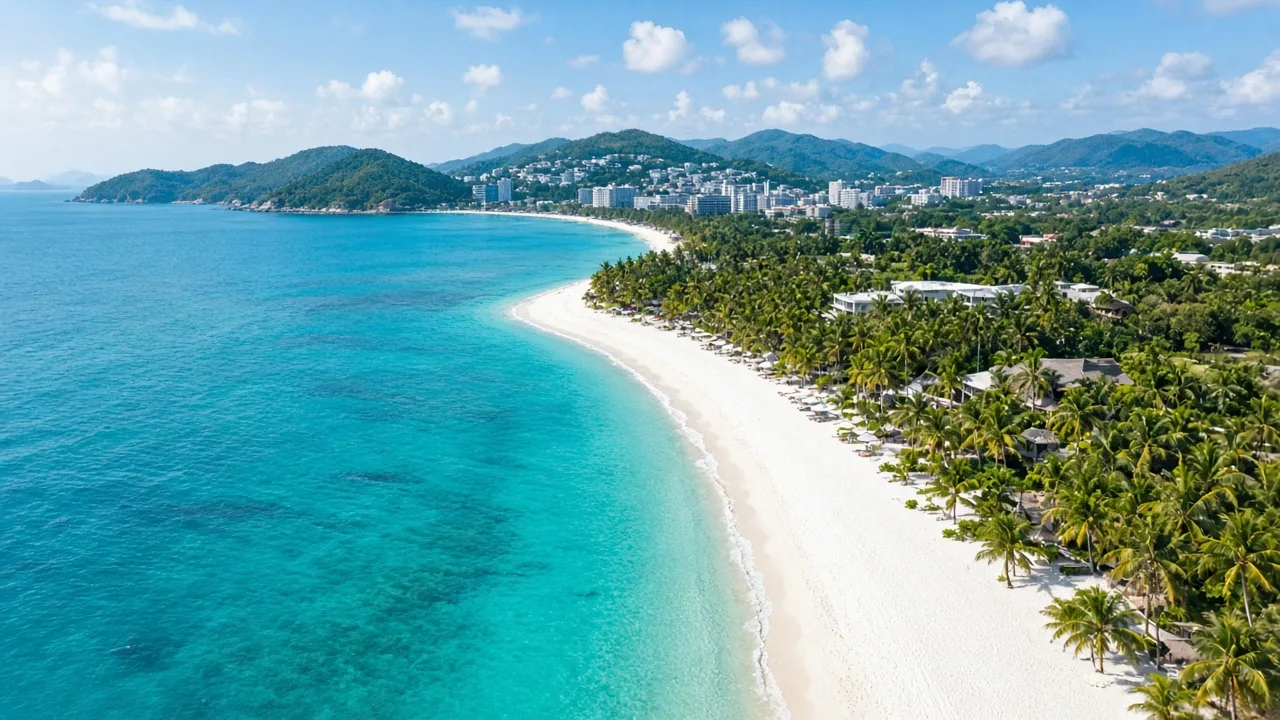
Essence 4d · Classic 5–6d · Highlights 7d
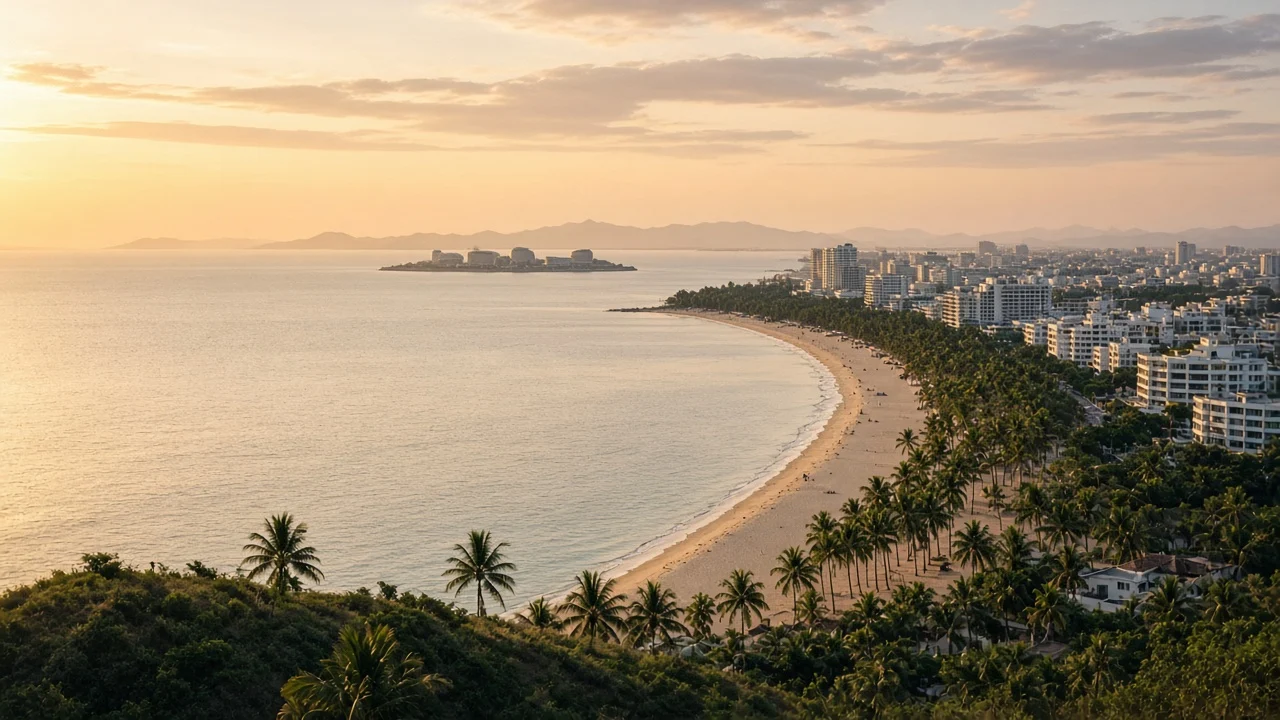
3 to 7 days — how to split bays, culture and islands
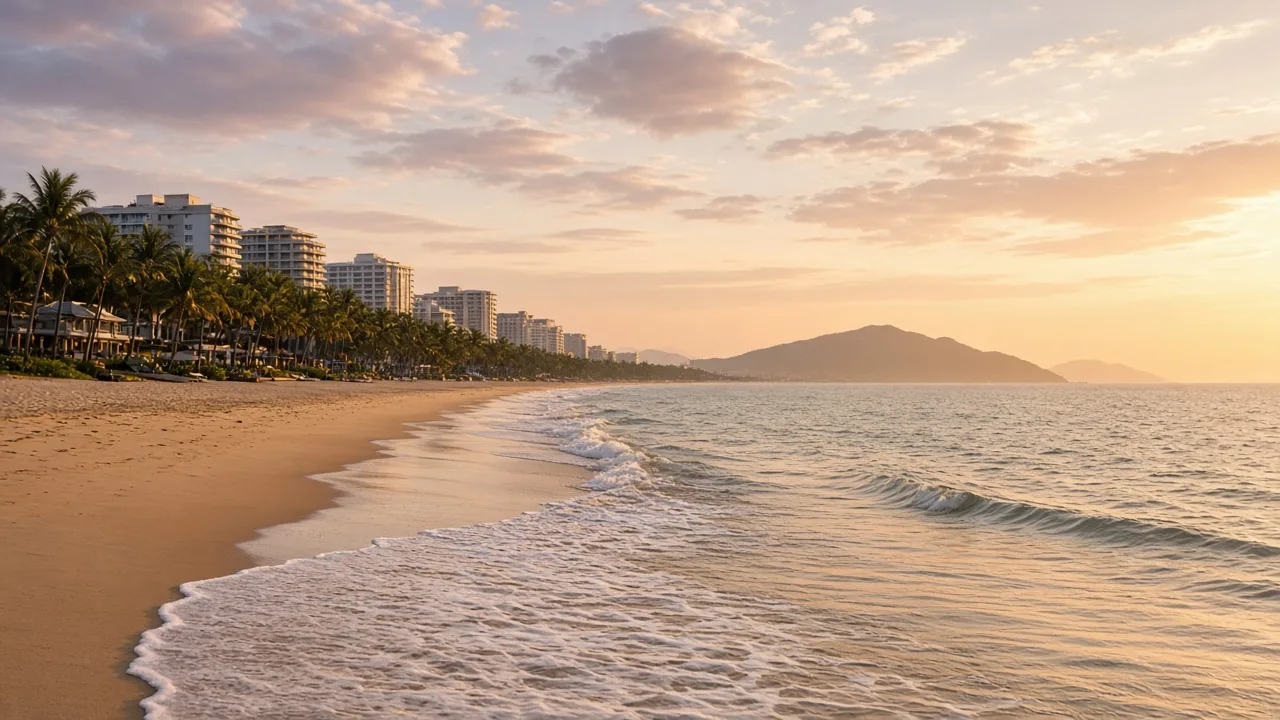
Yalong or Dadonghai base + Nanshan + Luhuitou
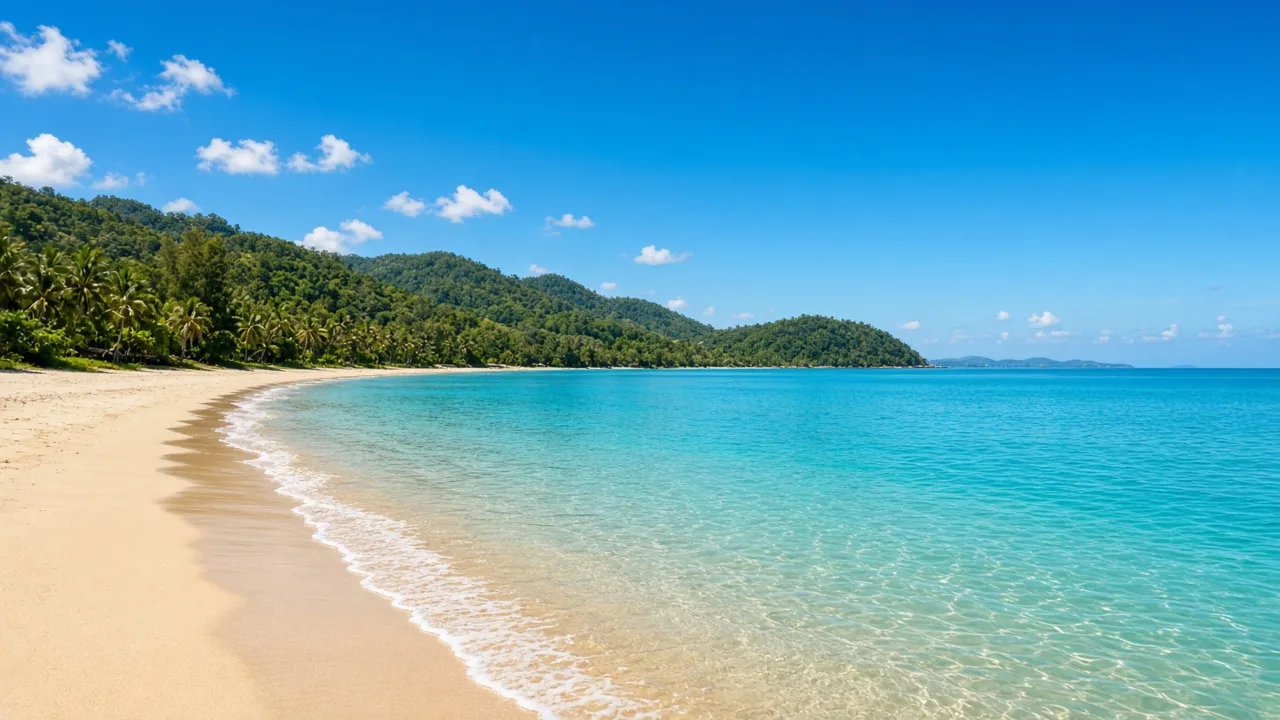
Adds rainforest, Li & Miao culture, Wuzhizhou
Sanya Bay, Yalong, Dadonghai, Haitang compared
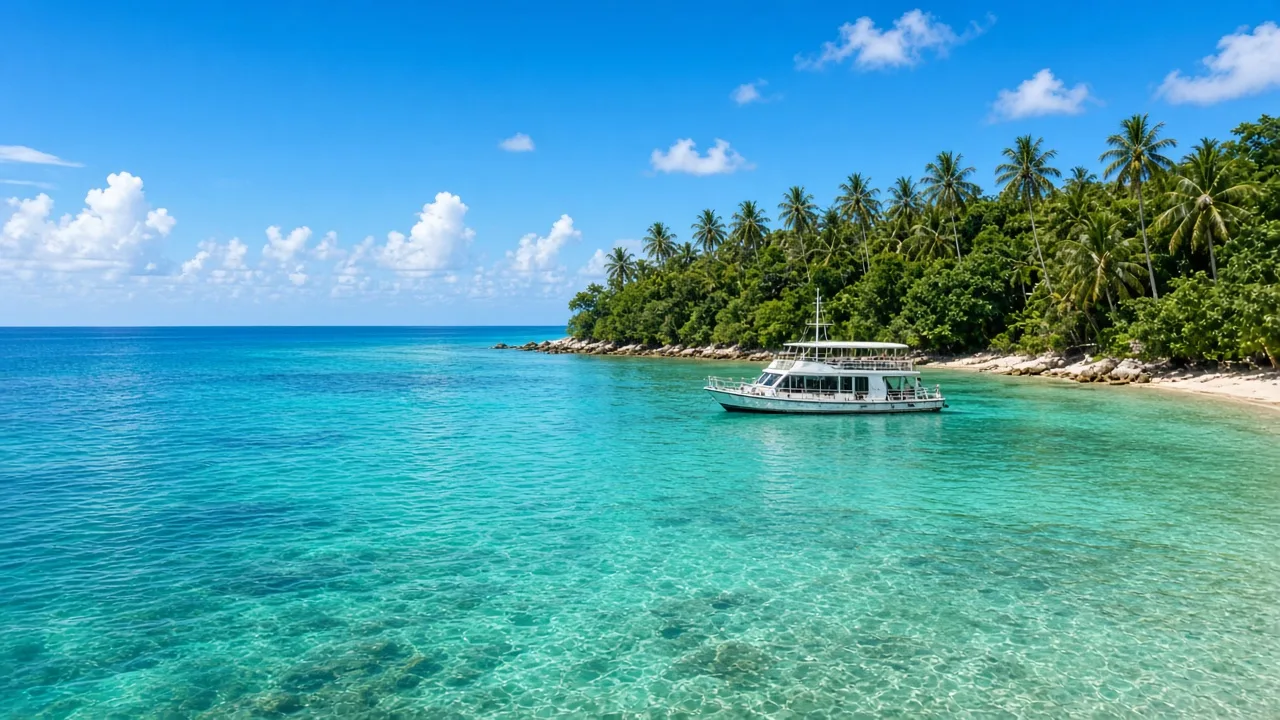
Ferry, snorkel, timing and how to make it a full day
The sea-facing Guanyin, pacing, heat and dress
Bays, getting around, where to stay, first-timer route
Best Time to Visit Sanya (and What to Pack) FAQ
- December and March: peak weather without the Chinese New Year rush. November to March overall is the best window.
- Roughly July to October, most often August and September. Most weeks pass without a storm, but plan flexibility.
- It is hot and humid, but very enjoyable if you sightsee early and rest at midday.
- Yes. The sea is around 24–26 °C in winter, and days are warm and sunny.
- Chinese New Year, the first week of October, and July–August school holidays.
- Sunscreen, swimwear, hat, light layers, a rain jacket, sandals, and something to cover shoulders for Nanshan Temple.
- Mostly May to October, usually in short afternoon bursts rather than all-day rain.
Compare the three Sanya private tours
Beach Essence (4 days), Classic Sanya (5–6 days) and Island Highlights (7 days) are all private and quote-led. Send dates, flights and party size and we shape the route to your hotel base.