What actually happens at a face-changing show
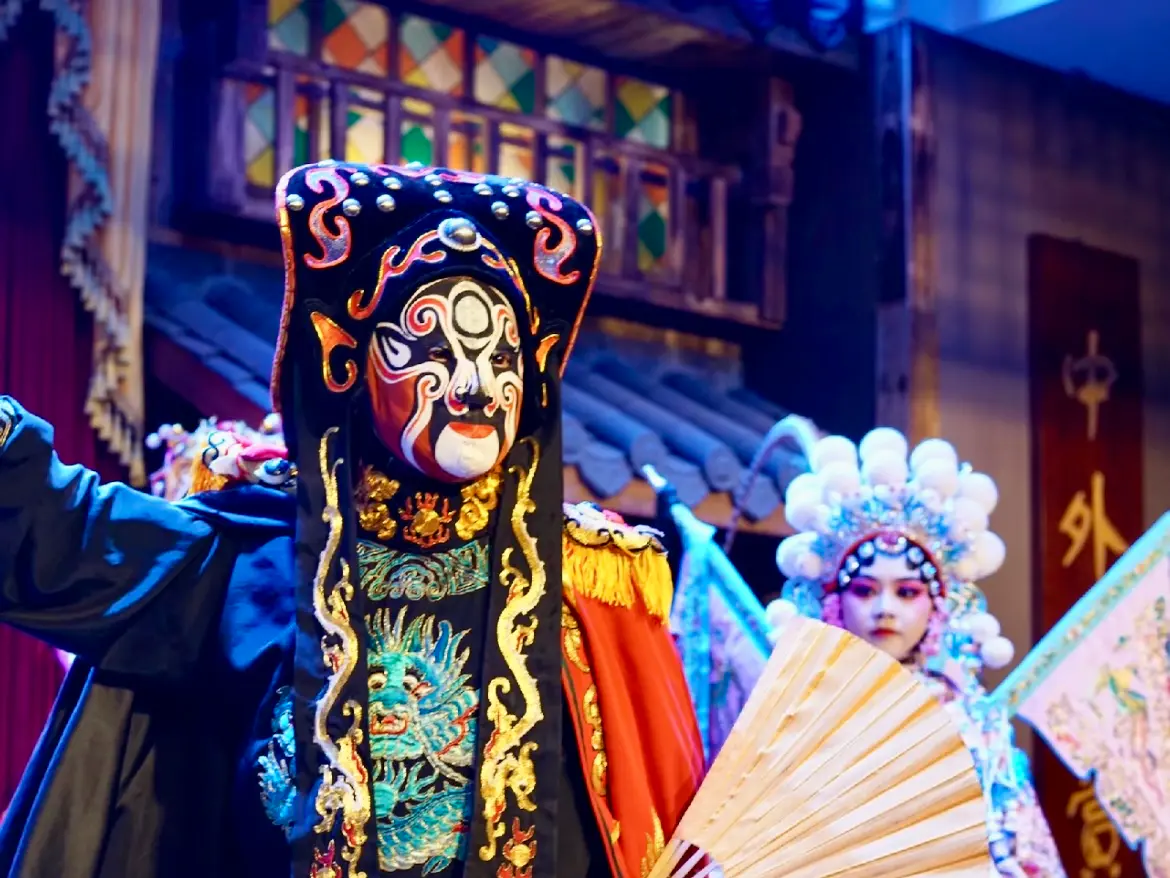
A typical tourist-facing Sichuan Opera evening mixes several short acts — face-changing is usually one highlight segment, often alongside other stagecraft such as shadow puppetry, hand-shadow work, or comedic sketches, rather than filling the entire program on its own.
- Fit an opera evening into your Chengdu day plan
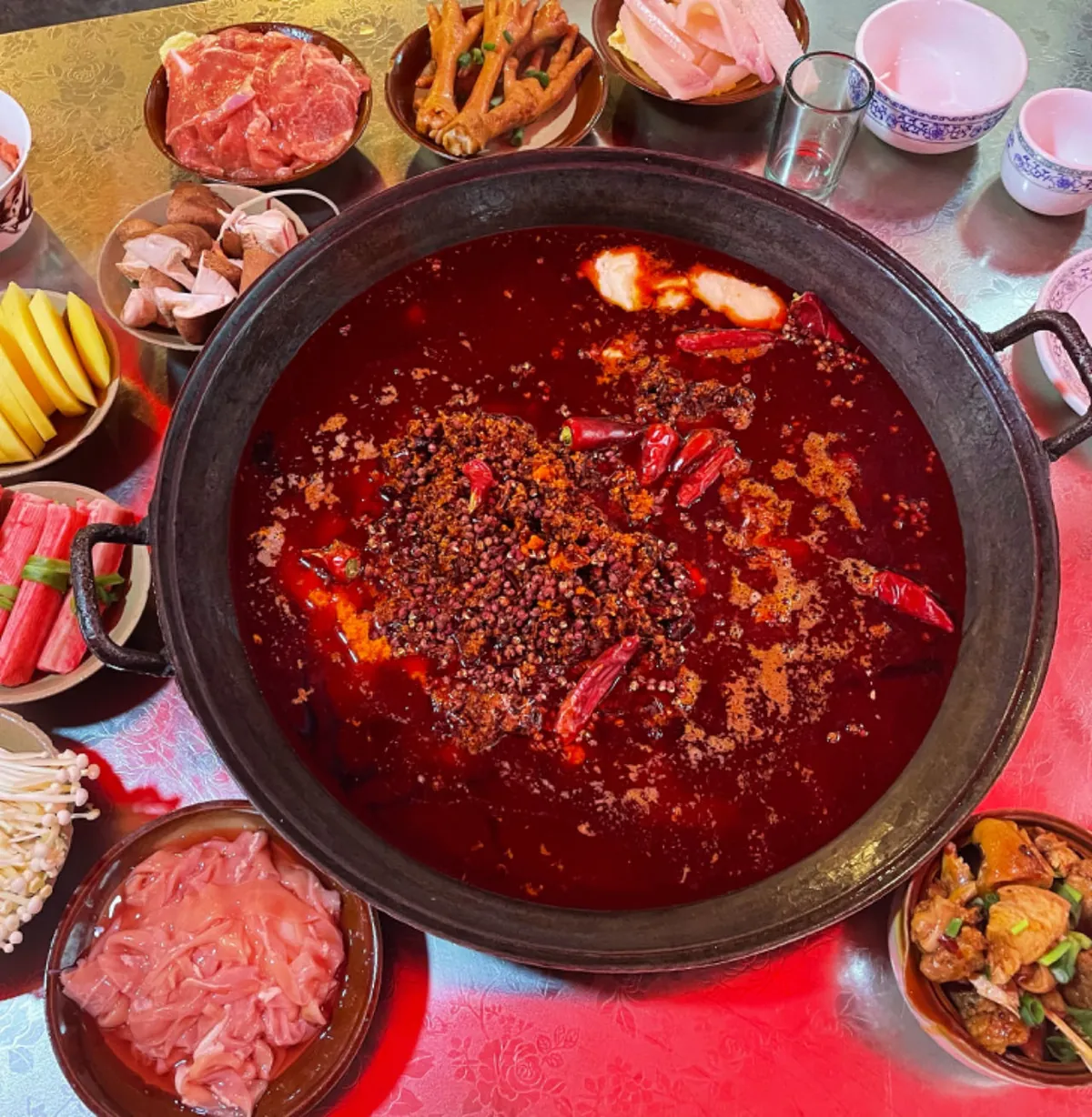
- Pair it with a food evening
- Confirm current show times, seating and any photography rules directly with the venue or your booking source before you go.
Techniques inside face-changing
Public cultural sources describe three primary face-changing methods: smearing or plastering pigment onto the face, blowing prepared colored powder, and rapidly removing layered painted masks.
Smearing / plastering
- Pigment concealed near the face is rapidly smeared or applied to change part or all of the facial appearance.
Powder blowing
- Colored powder is blown toward prepared areas of the face so that it adheres and creates a rapid change of color.
Mask pulling / switching
- Thin painted masks are layered and removed rapidly in succession, creating the instantaneous full-face changes most visitors associate with bian lian.
Other Sichuan Opera stage techniques
- Beard-changing and fire-spitting are other recognizable Sichuan Opera stage skills, but they should not be presented as one of the three primary methods of face-changing itself.
Common face-changing mistakes
Assuming face-changing is the whole of Sichuan Opera
Face-changing is one well-known technique inside a broader tradition that also includes singing, comedy and acrobatics.
Expecting a lengthy, uncut traditional performance
Most visitor-facing shows are a shorter, highlight-format evening rather than a full-length classical program.
Booking without checking transfer time from your hotel
Theatres are spread across central Chengdu; confirm the venue location relative to your hotel before booking a specific show time.
Sichuan Opera face-changing FAQ
- No. Face-changing (bian lian) is one technique inside the broader Sichuan Opera tradition, which also includes singing, comedy and acrobatics.
- Public cultural sources describe three main methods: smearing or plastering pigment, blowing prepared colored powder and rapidly removing layered masks. Individual performers' detailed stagecraft may vary.
- Most visitor-oriented evenings run under two hours and combine face-changing with other short acts.
- No — face-changing and the accompanying stagecraft are highly visual, so most visitors follow along without needing the language.
Plan a Chengdu visit
A private transfer to a face-changing show removes the guesswork of finding the venue and timing your evening around dinner.
Book the Sichuan Opera show with private transferSee the hot pot & opera evening