How to plan Mount Emei from Chengdu
Most visitors from Chengdu use road or rail to the mountain area, then buses and cable cars for the main temple and summit zones. Confirm current cable-car and ticket rules before you travel — they change by season.
Summit-focused day
- Prioritize transport toward the upper mountain and Golden Summit. Best for travelers primarily interested in the summit landscape and iconic Buddhist setting. Expect a transport-heavy day.
Broader mountain day
- Include more time around temples and intermediate mountain areas rather than treating the summit as the only destination. This requires a slower pace and careful transport planning.
Overnight
- Best for travelers who want both summit scenery and more of the religious landscape without compressing everything into one long Chengdu-origin day.
Golden Summit
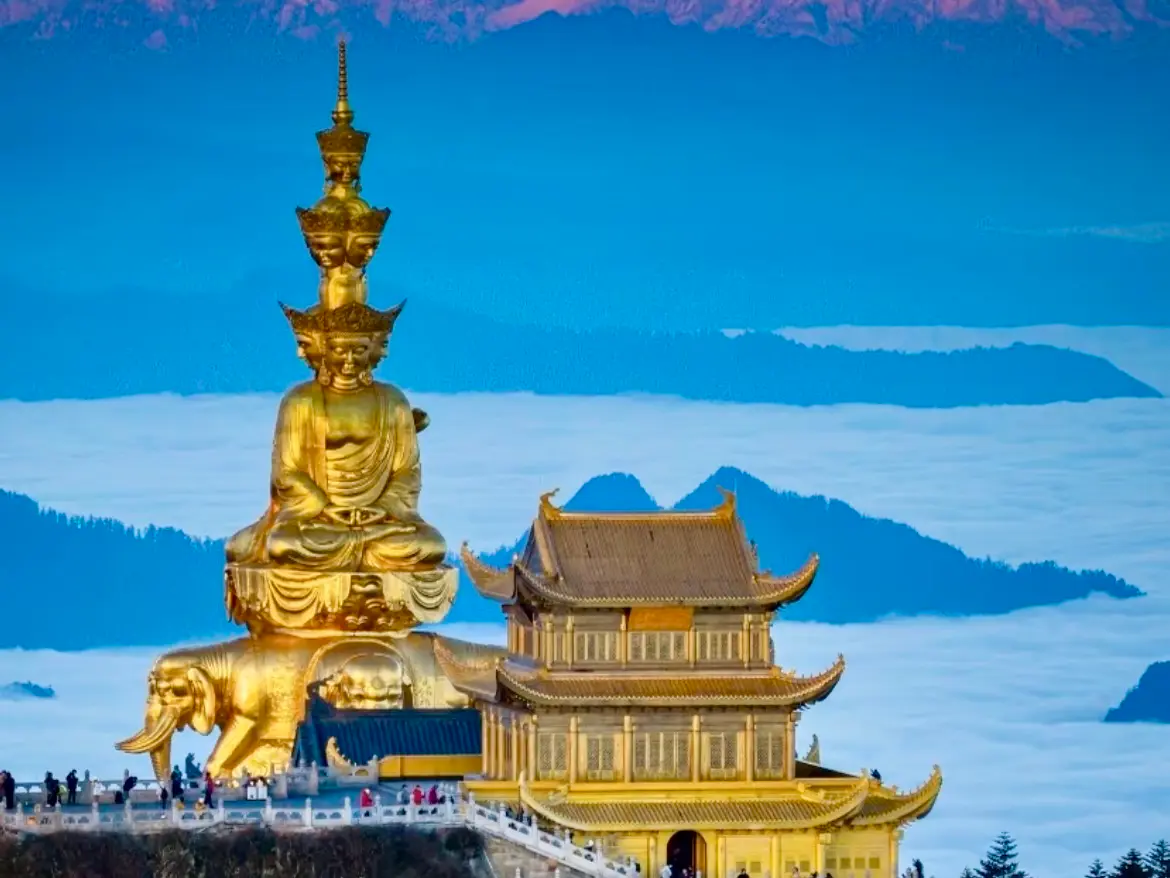
- Golden Summit (金顶, Jīndǐng) is the headline upper-mountain destination for many first-time visitors, combining high-elevation scenery with major Buddhist architecture and imagery. A summit-focused visit can work in a long day, but reaching the upper mountain involves substantial transport rather than a simple walk from the entrance.
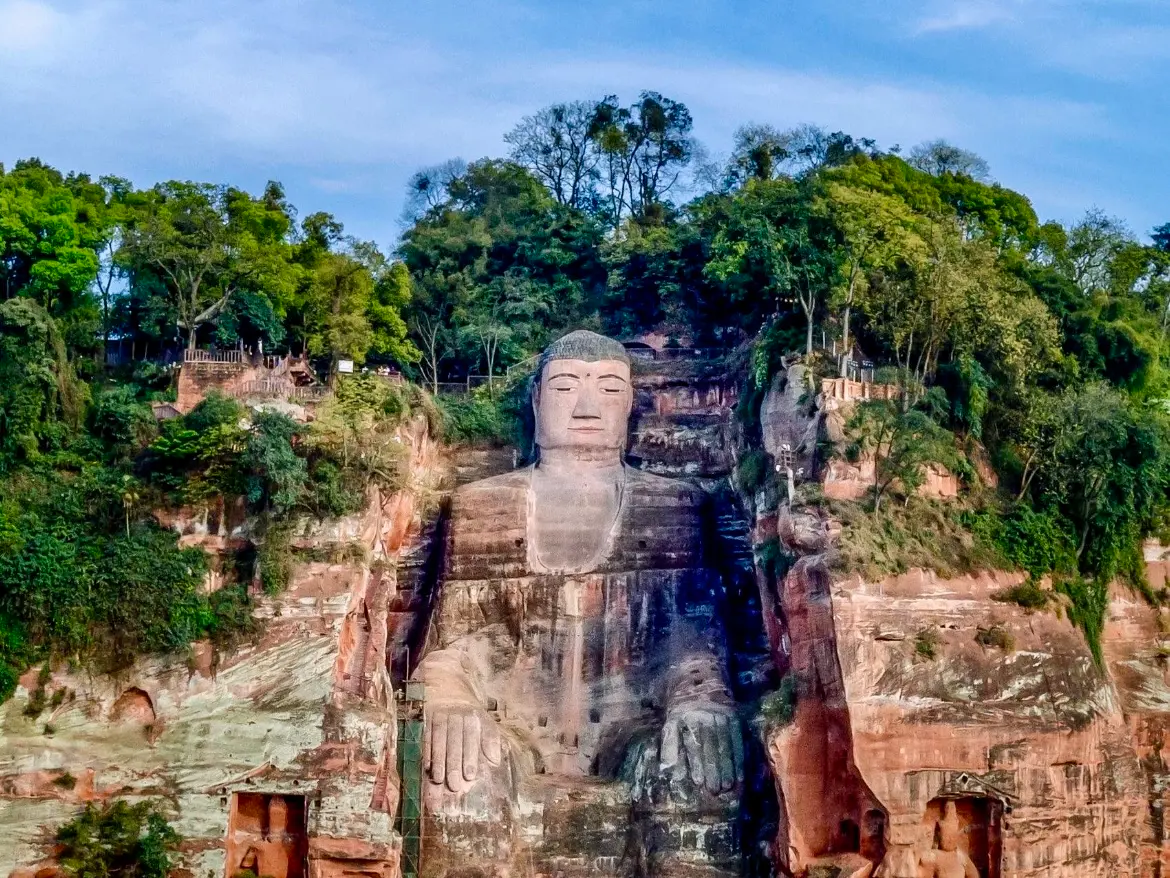
UNESCO describes Mount Emei as one of the places where Buddhism became established and developed in China. More than 30 temples form part of the wider mountain's cultural landscape, which is why the destination should not be reduced to a summit viewpoint alone. Leshan and Mount Emei share one UNESCO World Heritage listing, but they are separate visitor experiences. Leshan centers on the Giant Buddha and river/cliff landscape; Mount Emei is a mountain-and-temple journey requiring substantially more internal movement.
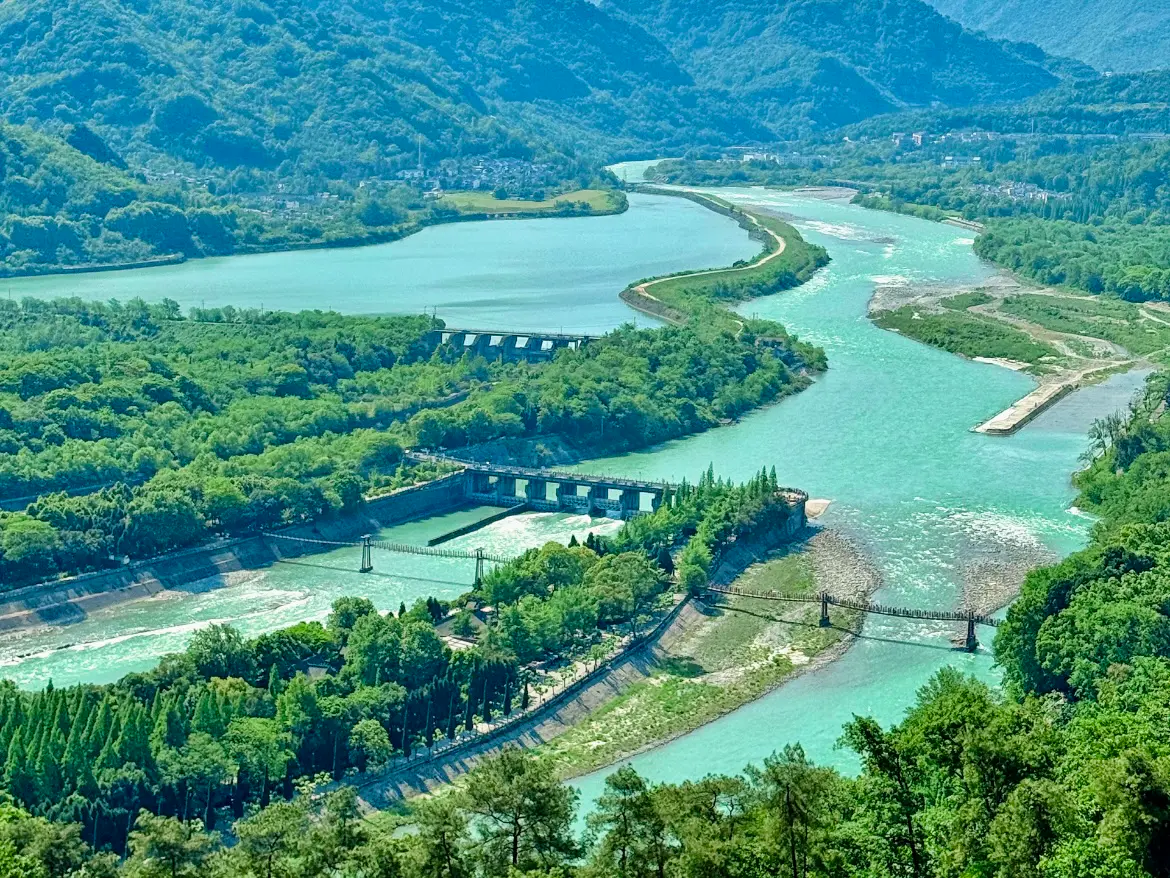
Leshan Giant Buddha (separate day trip) -> Leshan Giant Buddha · Fit this into your Chengdu itinerary · Dujiangyan & Mount Qingcheng (another regional day) -> Dujiangyan Qingcheng
Common Mount Emei mistakes
Combining Leshan and Mount Emei in one day
They share one UNESCO listing but are separate destinations. Round-trip travel plus time at each site makes a same-day combo unrealistic for most visitors from Chengdu.
Underestimating elevation and weather
Summit areas are cooler and can sit in cloud even when Chengdu is clear — pack a layer and check conditions the morning you go.
Trying to hike the entire mountain in one day from Chengdu
Most day visitors rely on buses and cable cars for the main zones. A full hike needs more time and usually an overnight.
Mount Emei FAQ
- Yes, but it is a long and transport-heavy day, especially if Golden Summit is the priority. Travelers who want temples, walking and the mountain atmosphere as well as the summit should consider staying overnight rather than trying to compress the full experience into one Chengdu-origin day.
- No. They share one UNESCO World Heritage property but are separate scenic areas and visitor experiences. Leshan is centered on the Giant Buddha, while Mount Emei is a much larger Buddhist mountain landscape.
- For a one-day visit, many travelers prioritize Golden Summit. If you have more time, include temple areas and a slower mountain route rather than treating the summit as the entire destination.
- No. Most day visitors use buses and cable cars to reach the main temple and summit zones rather than hiking end to end.