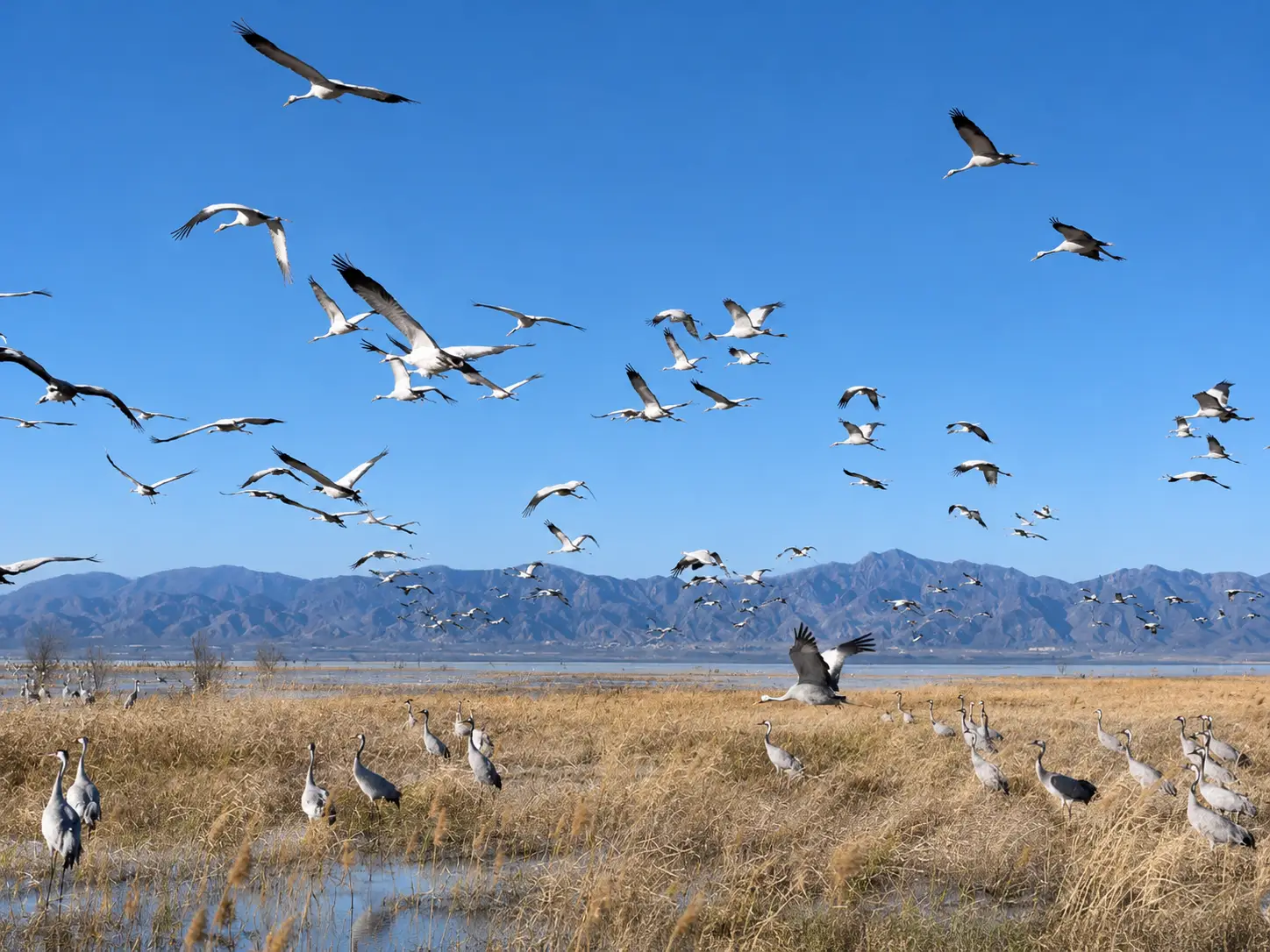
Beijing
Urban parks, wetlands and mountain habitats.
From the wetlands of eastern China to the mountain forests of Sichuan and Yunnan, discover one of the world's richest and most diverse birdwatching landscapes.
China is home to more than 1,400 recorded bird species across subtropical forests, alpine mountains, coastal mudflats and freshwater wetlands. Major birdwatching regions include Sichuan, Yunnan, Beijing, Qinghai and eastern China.
China's tropical forests, temperate woodlands, high-altitude grasslands and coastal wetlands support resident and migratory birds. A first visit could mean an early-morning walk in Beijing, while a specialist expedition might take you through several mountain ecosystems.
Choose a region and season around the birds or habitats you want to see, whether you are learning to identify common species, looking for endemics or planning a photography trip.
City parks and nearby wetlands can fit into a short stay. For high mountains, forest endemics and remote wetlands, allow several days and plan around access and weather.
Markers show representative locations for each region.
Urban parks, wetlands and mountain habitats.
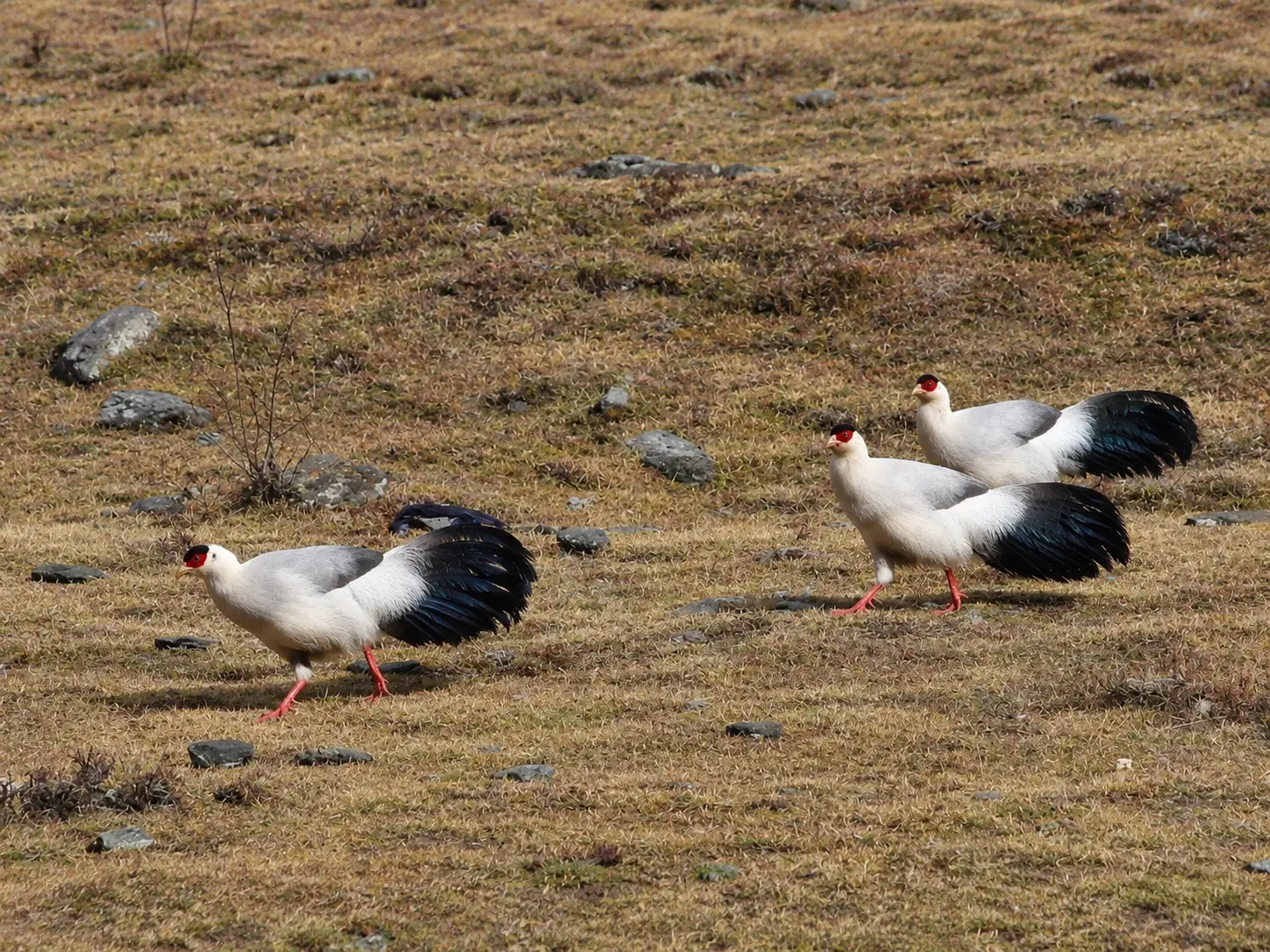
Mountain forests, pheasants and alpine birds.

Subtropical forests and exceptional bird diversity.
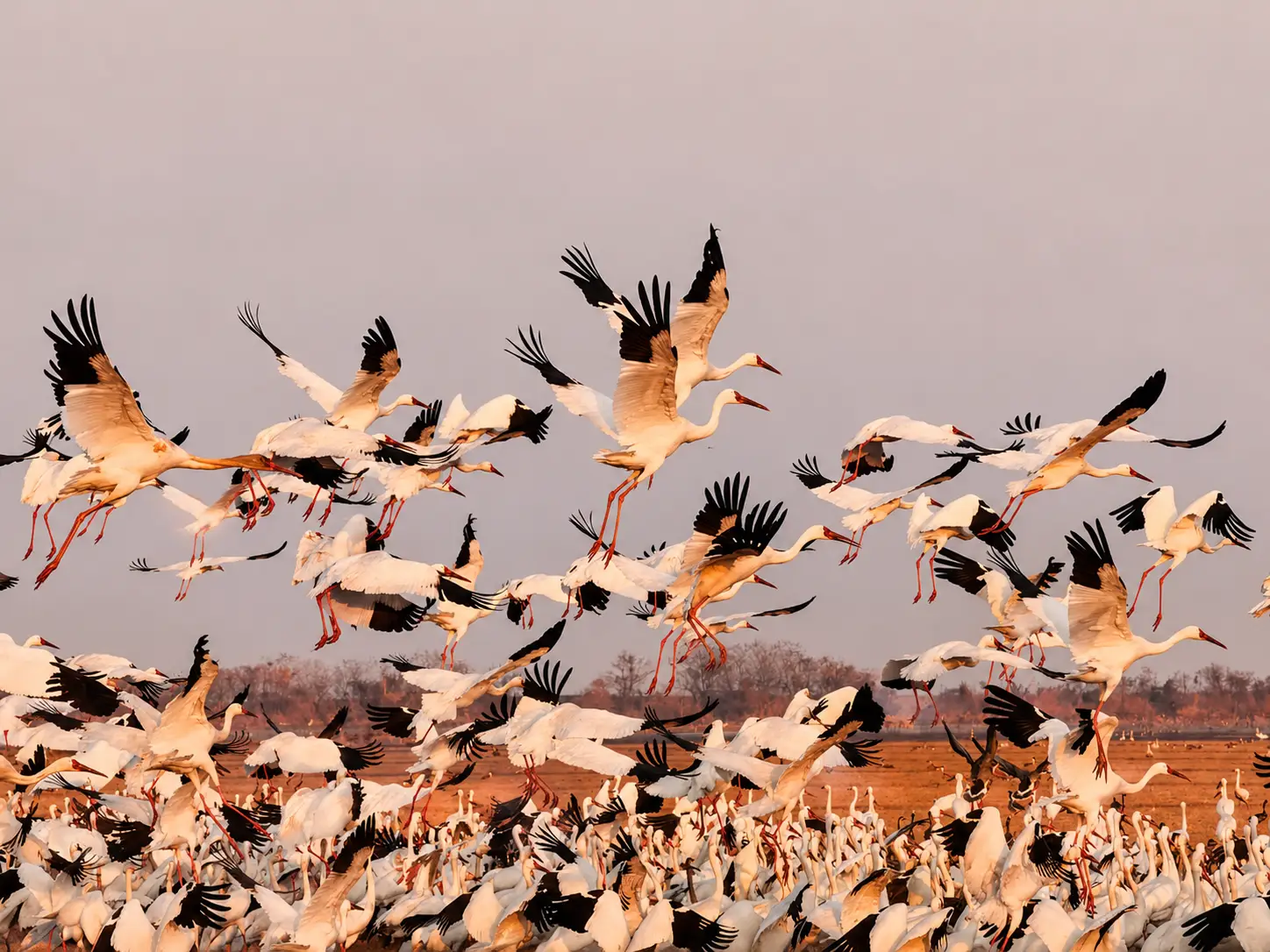
Wintering cranes and freshwater wetlands.
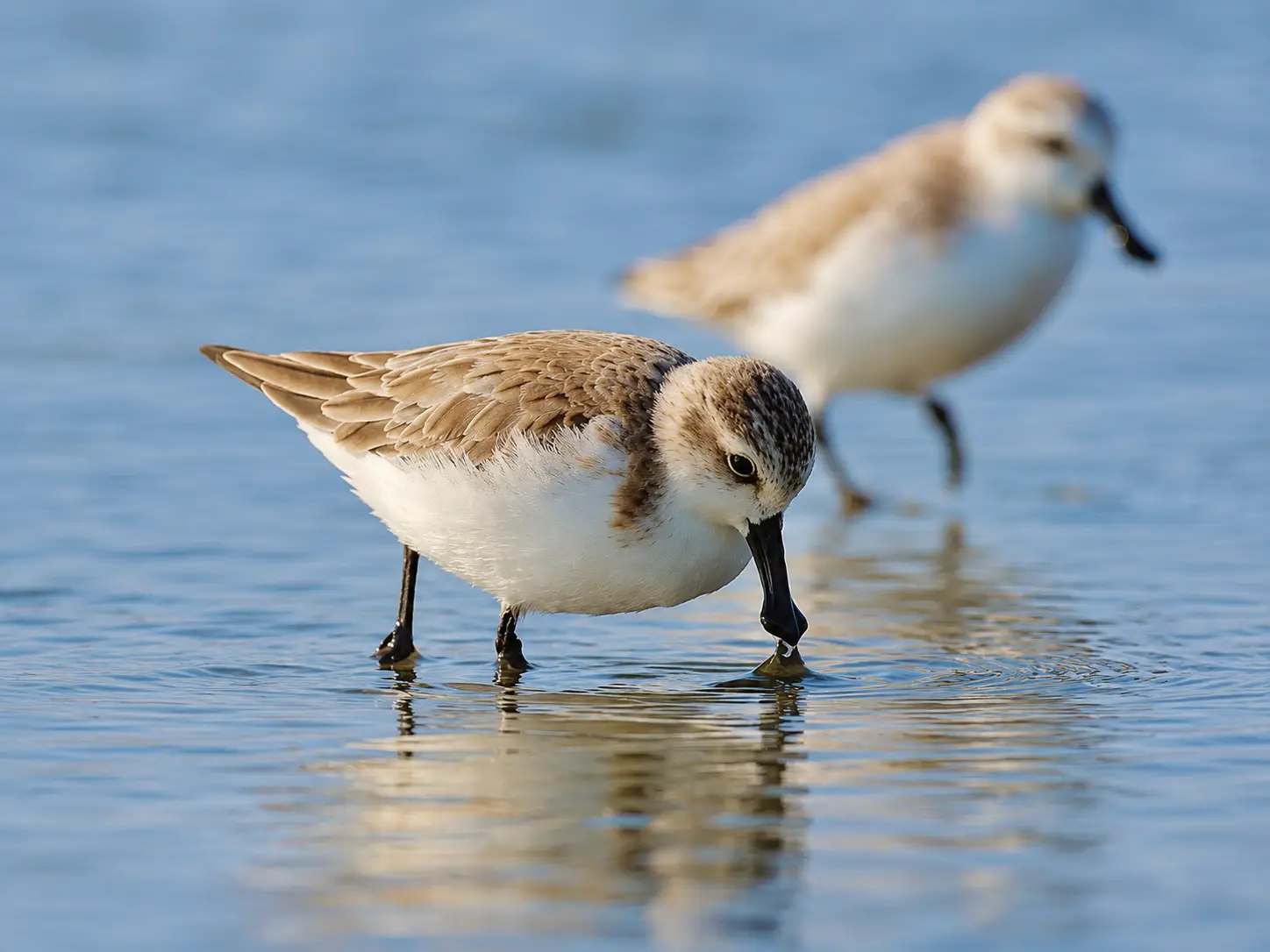
Coastal migration and rare shorebirds.

High-altitude wetlands and plateau specialists.

Temperate forests and important crane habitats.
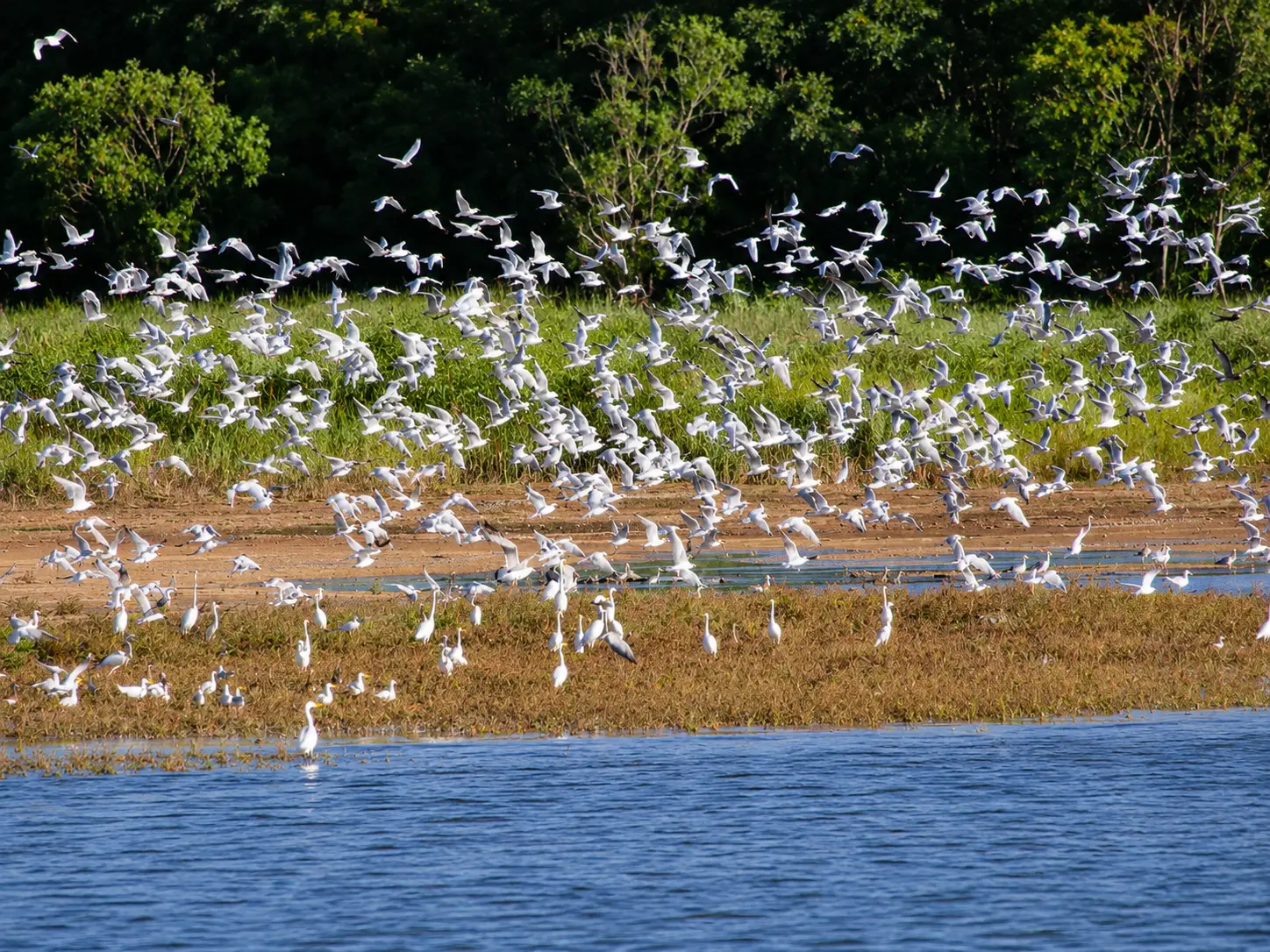
Seasonal migration along the Bohai coast.

Tropical rainforest and island endemics.
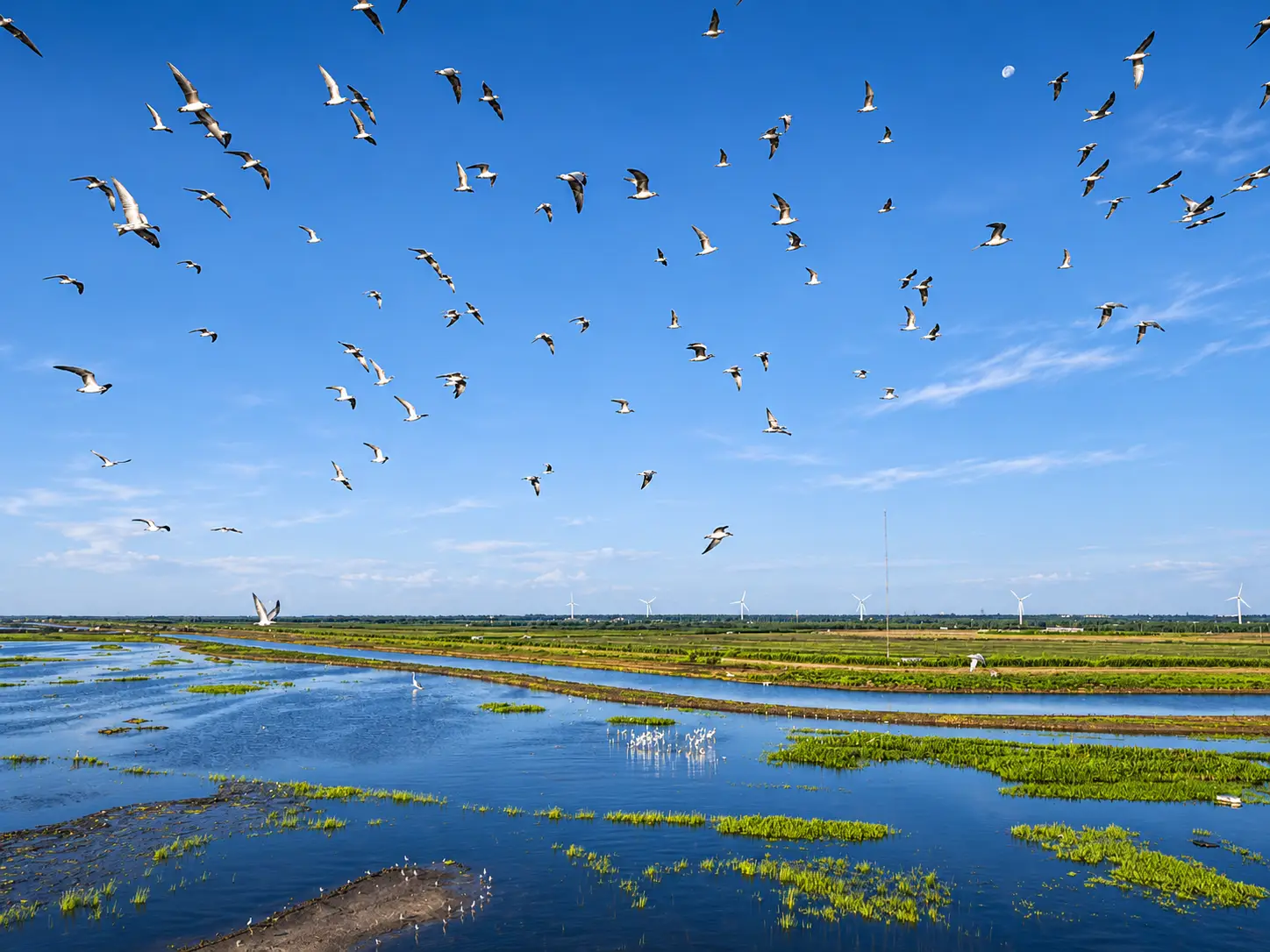
Accessible coastal wetlands and migratory birds.
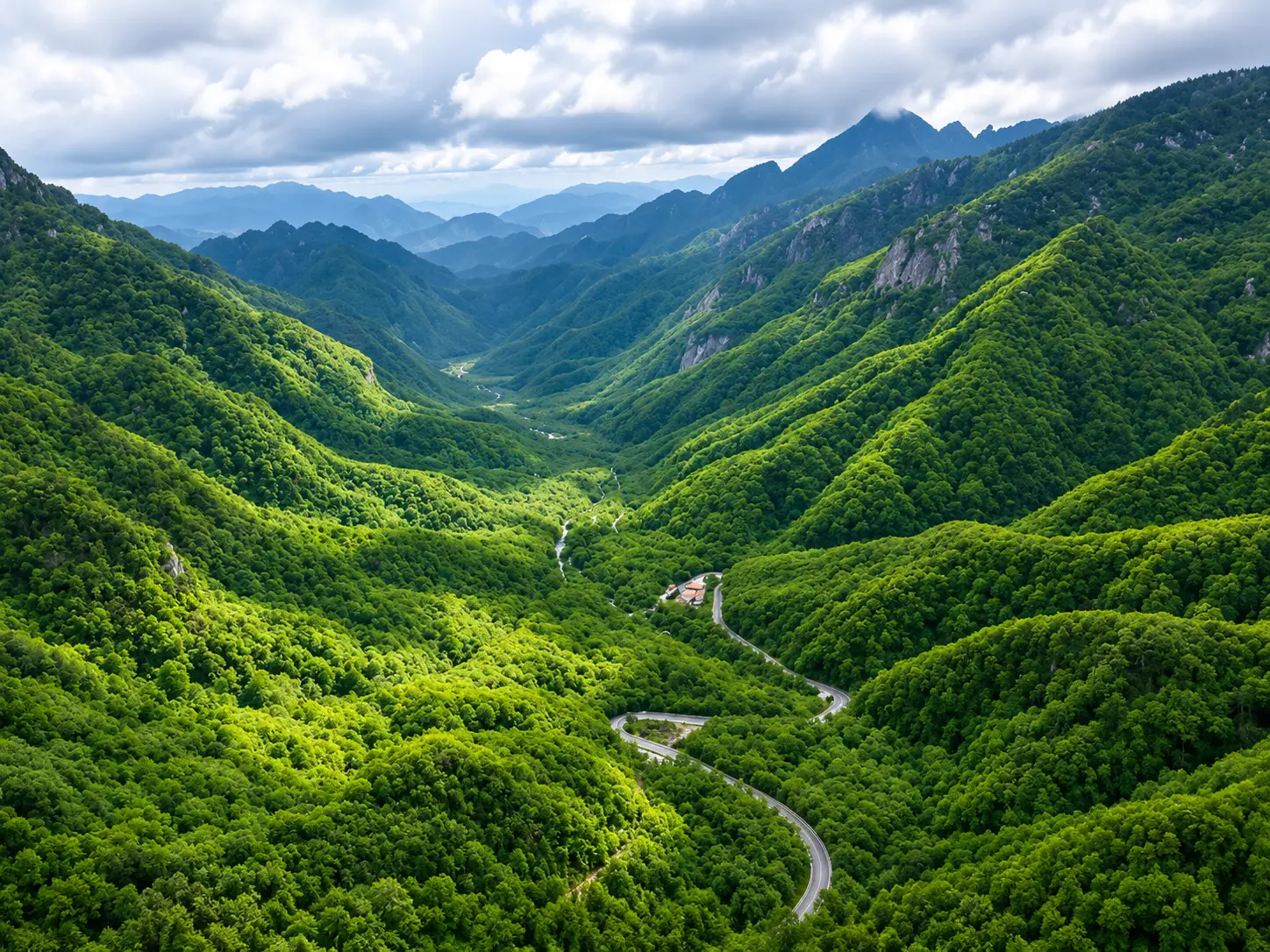
Mountain forests and the Crested Ibis.

Central Asian mountain and steppe species.
| Region | Key sites | Birdwatching highlights | Suggested season |
|---|---|---|---|
| Beijing | Temple of Heaven, Yeyahu | Urban birds, waterbirds, raptors | Spring and autumn |
| Sichuan | Balangshan, Wolong | Pheasants, Chinese Monal | April–June |
| Yunnan | Baihualing, Yingjiang | Forest birds, hornbills | Winter to spring |
| Jiangxi | Poyang Lake, Wuyuan | Cranes, laughingthrushes | Depends on the species |
| Jiangsu | Yancheng, Rudong | Migratory shorebirds | Spring and autumn |
| Qinghai & Tibetan Plateau | Qinghai Lake, plateau wetlands | Cranes and plateau birds | May–July |
| Northeast China | Zhalong, Changbai | Cranes and forest birds | Spring to summer |
| Hebei | Beidaihe | Migratory songbirds | Spring and autumn |
| Hainan | Tropical Rainforest National Park | Island endemics | Winter to spring |
| Shanghai | Chongming Dongtan | Waterbirds and reed specialists | Spring and autumn |
| Shaanxi | Qinling, Yangxian | Crested Ibis | Spring to autumn |
| Xinjiang | Tianshan, Altay | Alpine and steppe birds | May–July |
Start with the habitat that interests you, then choose a region and a season when the birds you want to see are likely to be present.

Yunnan, Guangxi and southern Sichuan
Follow forest edges and quieter trails for mixed feeding flocks, laughingthrushes and sunbirds. Western Yunnan is a starting point for forest birding, while the forests near Yingjiang offer opportunities to look for hornbills. Listen first, then scan the canopy and understory separately.

Sichuan, Qinling and Tianshan
A mountain route can pass from broadleaf forest through conifers to open alpine slope in a single day. In Sichuan, plan separate stops for forest birds and high-elevation pheasants such as Chinese Monal. In the Qinling and Tianshan, choose trails that suit the altitude and conditions.
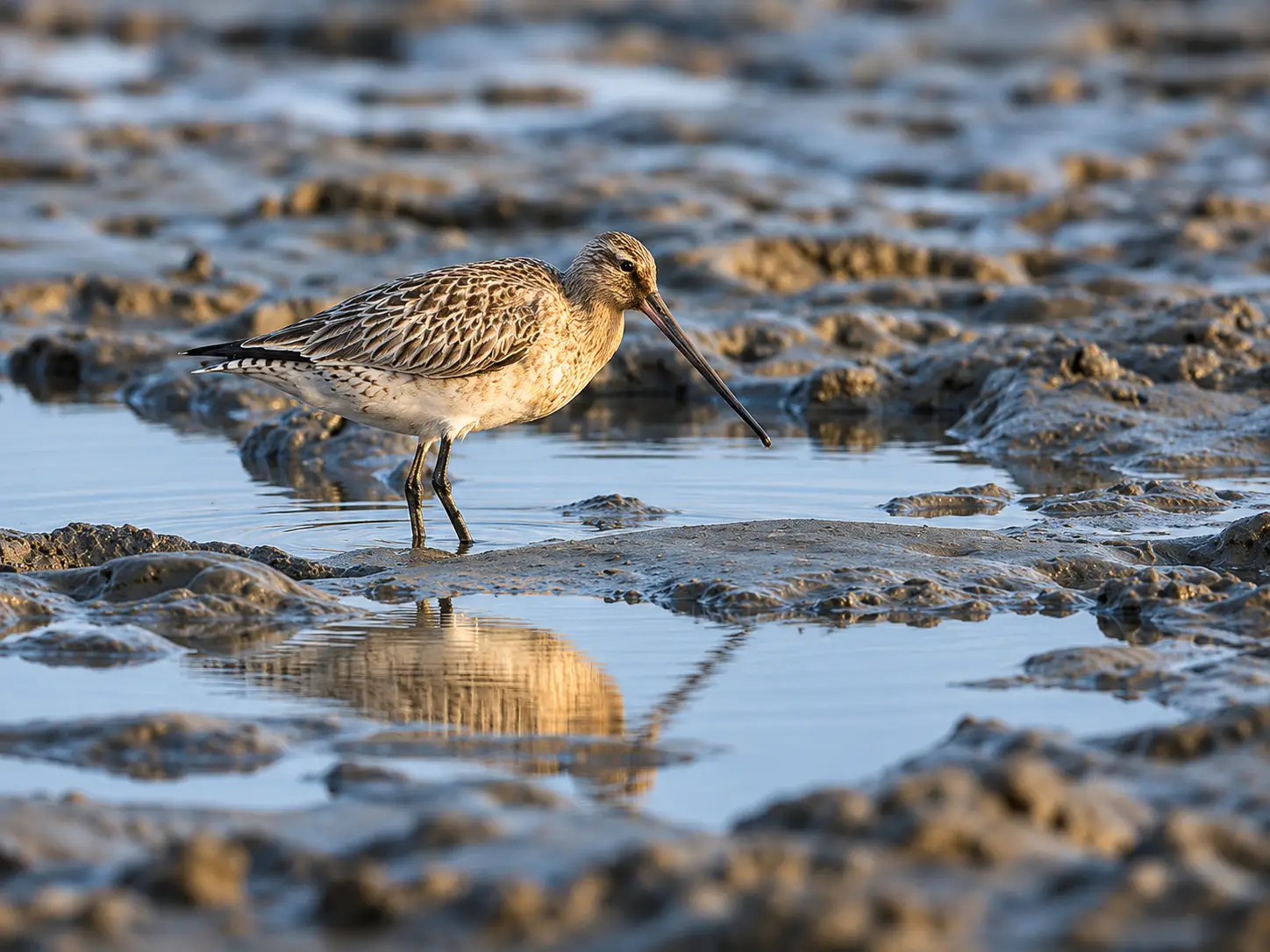
Jiangsu, Hebei and Shanghai
Sandpipers, plovers and other shorebirds feed on exposed mud between tides. Jiangsu's Yellow Sea coast and the Yangtze estuary near Shanghai are good starting points for a migration-focused route. Check tide tables and watch from established paths or viewing areas to avoid disturbing feeding flocks.
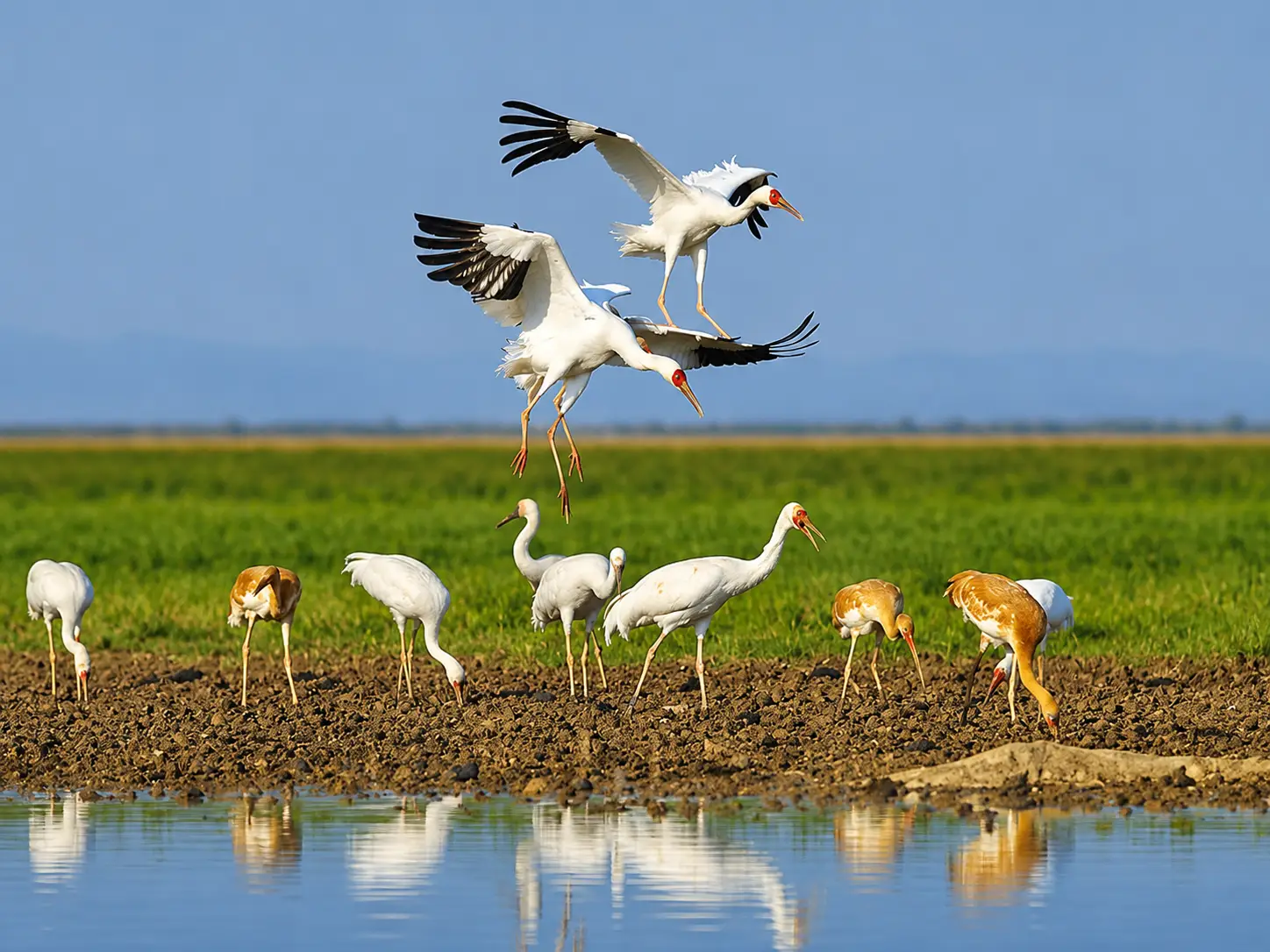
Jiangxi, Beijing and Heilongjiang
Reedbeds, shallow lakes and seasonally flooded grasslands attract different birds as water levels change. Poyang Lake is known for wintering cranes and waterfowl, while Yeyahu offers a day trip from Beijing. Farther north, the marshes of Heilongjiang provide habitat for breeding cranes and other wetland birds.

Qinghai, Tibet and western Sichuan
Open grasslands, lake margins and high-altitude marshes give visitors a chance to look for plateau specialists such as Black-necked Crane and Tibetan Snowfinch. Combine roadside scanning with short walks where access allows. Wind, weather and elevation can limit a day in the field, so build flexibility into the route.
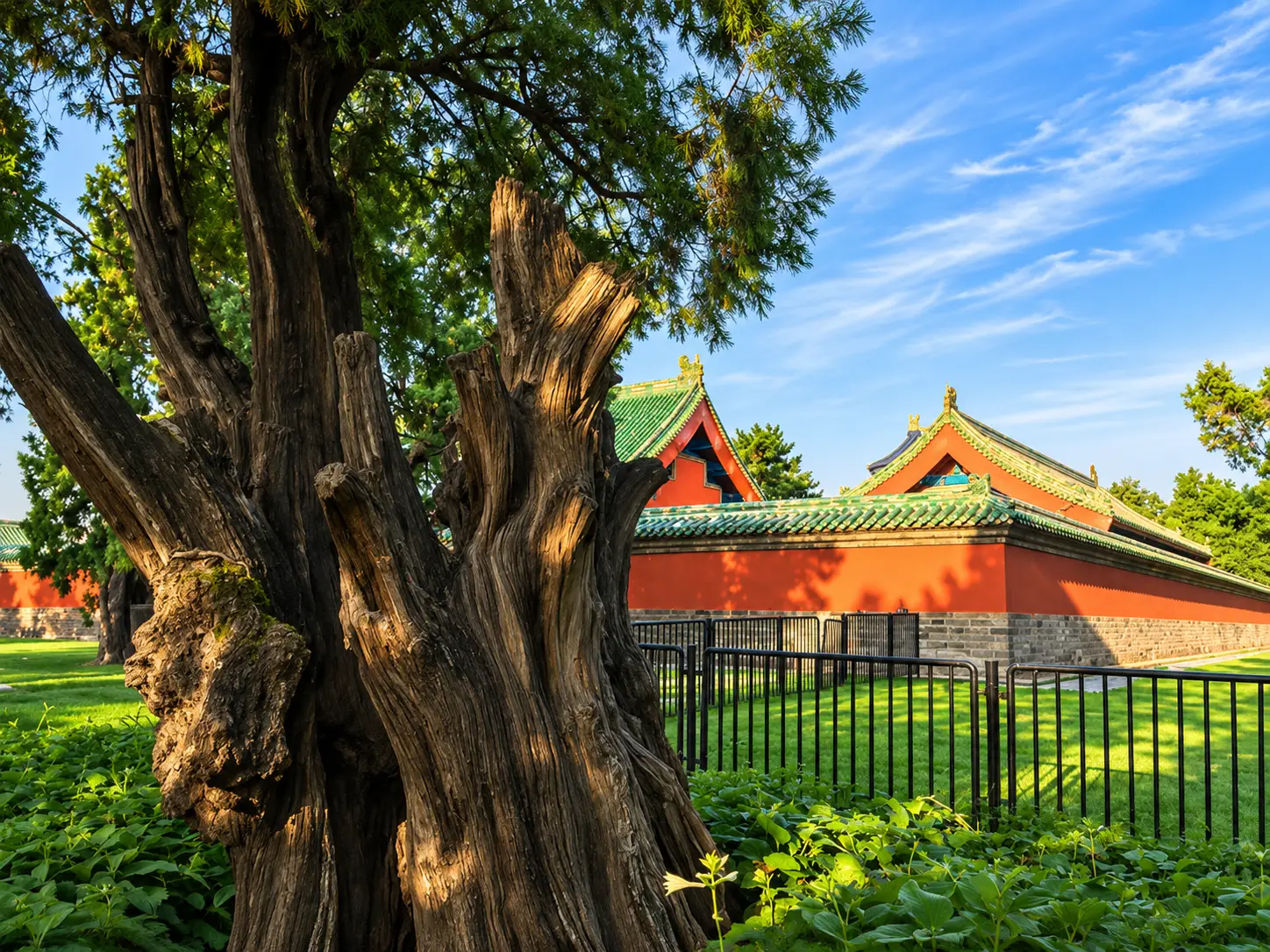
Beijing, Shanghai and Chengdu
Tree-lined paths and wooded ponds make city parks convenient for an early birding walk. In Beijing, the Temple of Heaven's mature trees are a place to look for resident magpies and seasonal migrants. Bring binoculars and allow time to pause at woodland edges, where birds are often easier to locate.
From mountain pheasants to migratory cranes, these birds illustrate the range of habitats a birding journey can cover.
绿尾虹雉 · Lophophorus lhuysii
An iridescent mountain pheasant endemic to China.
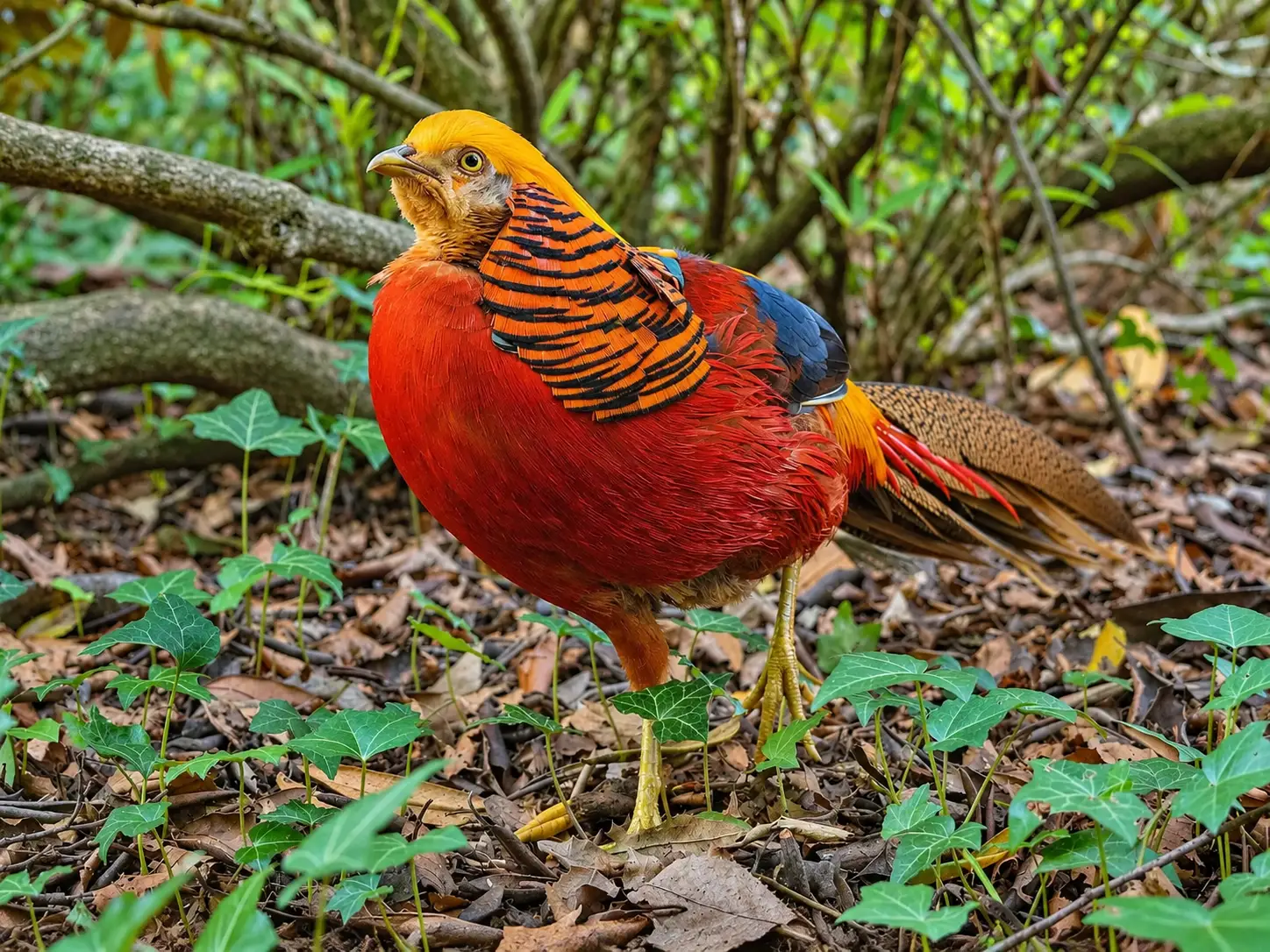
红腹锦鸡 · Chrysolophus pictus
The male combines a golden crest with a red body and a barred orange ruff.
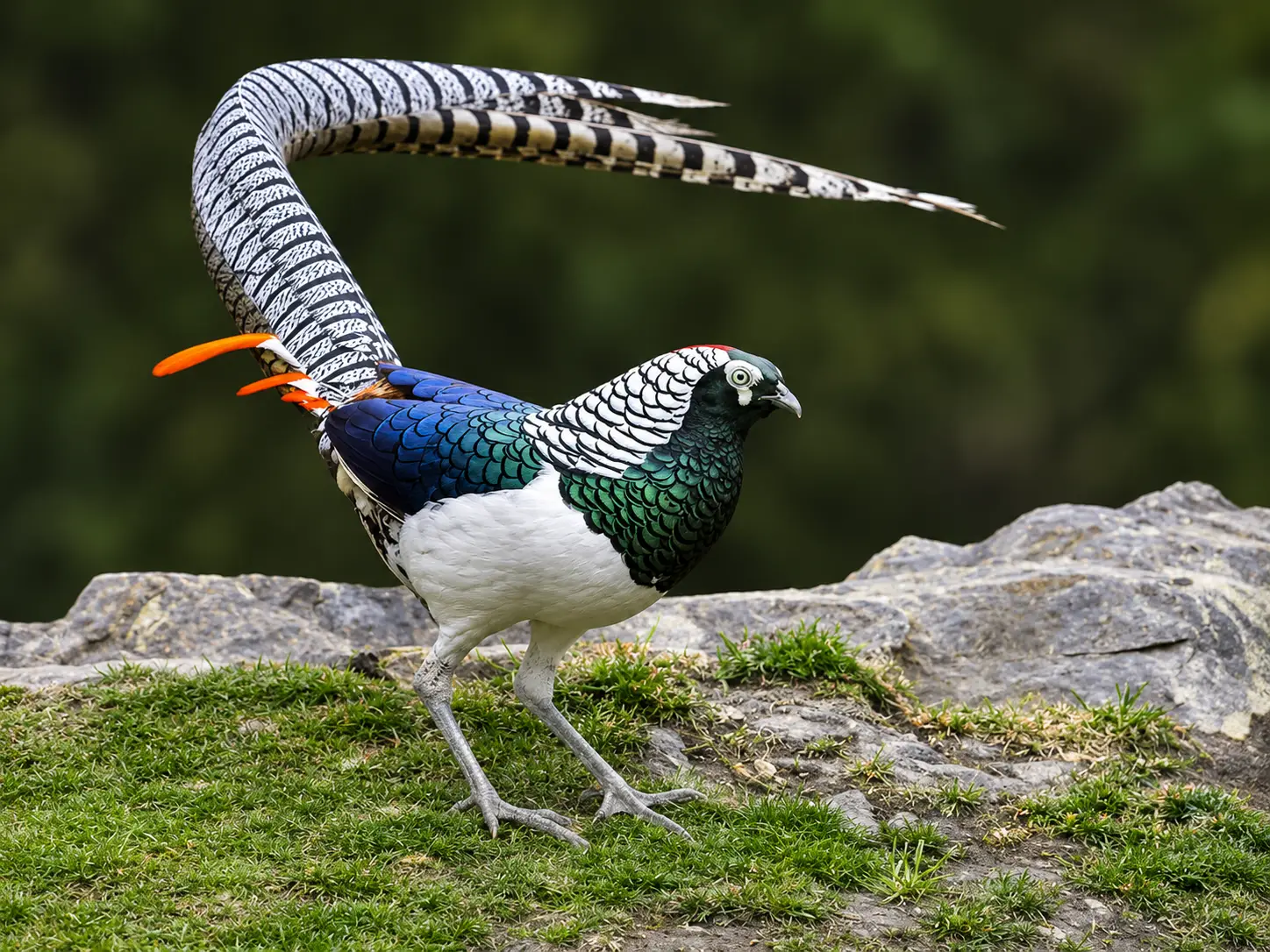
白腹锦鸡 · Chrysolophus amherstiae
Males have a white-and-black ruff and a long barred tail.
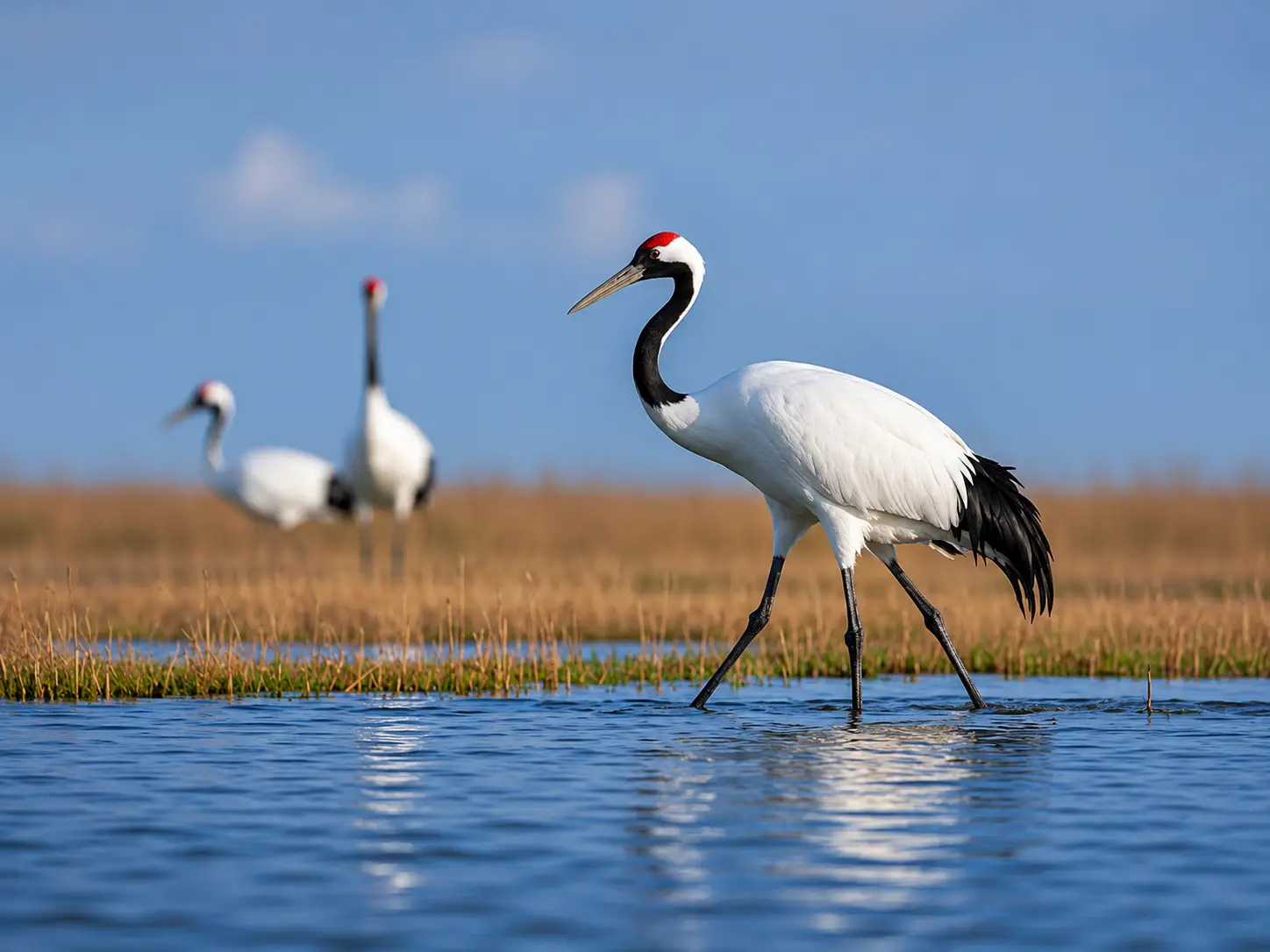
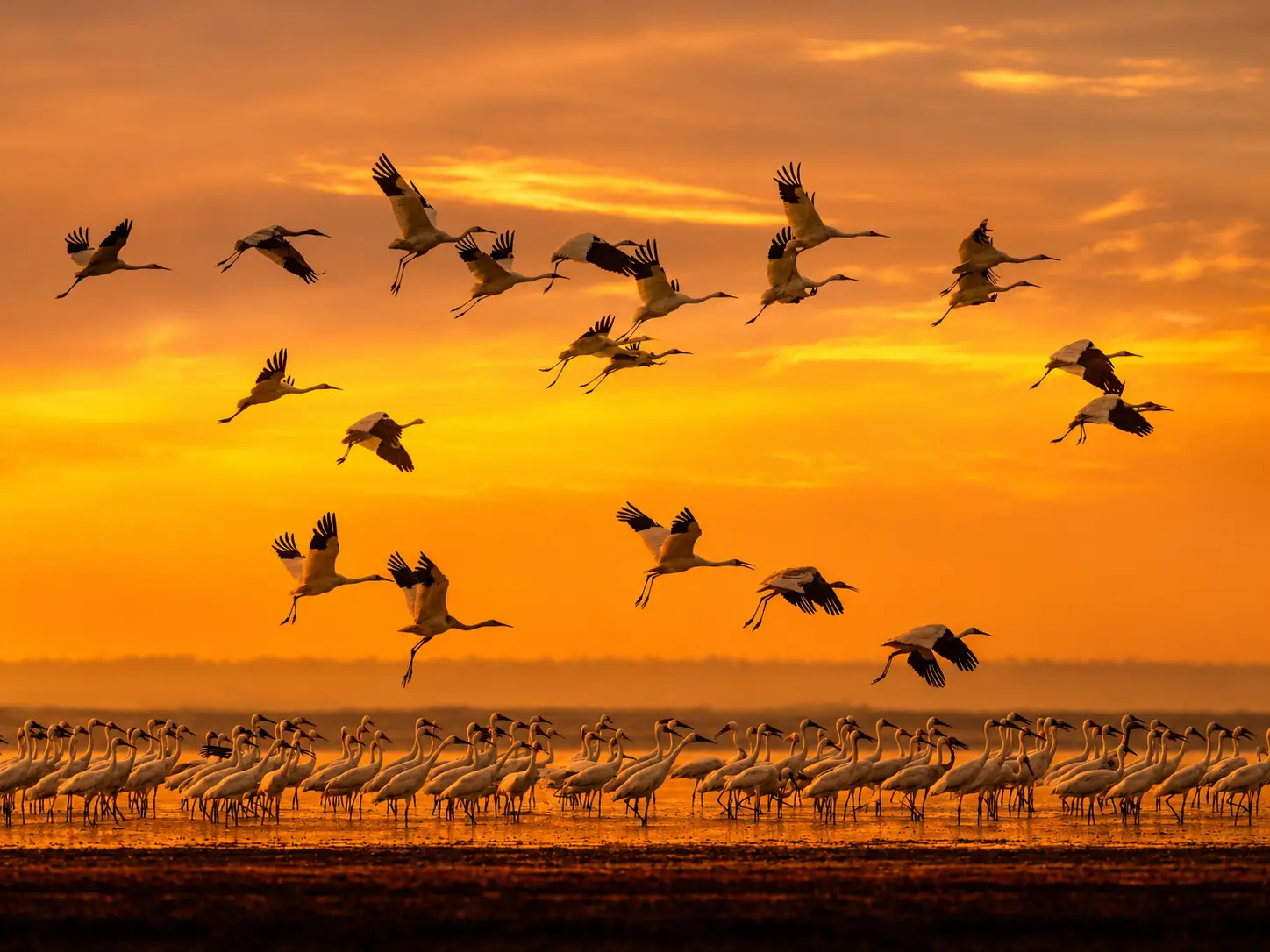
丹顶鹤 · Grus japonensis
A large white crane with a red crown and black neck markings.
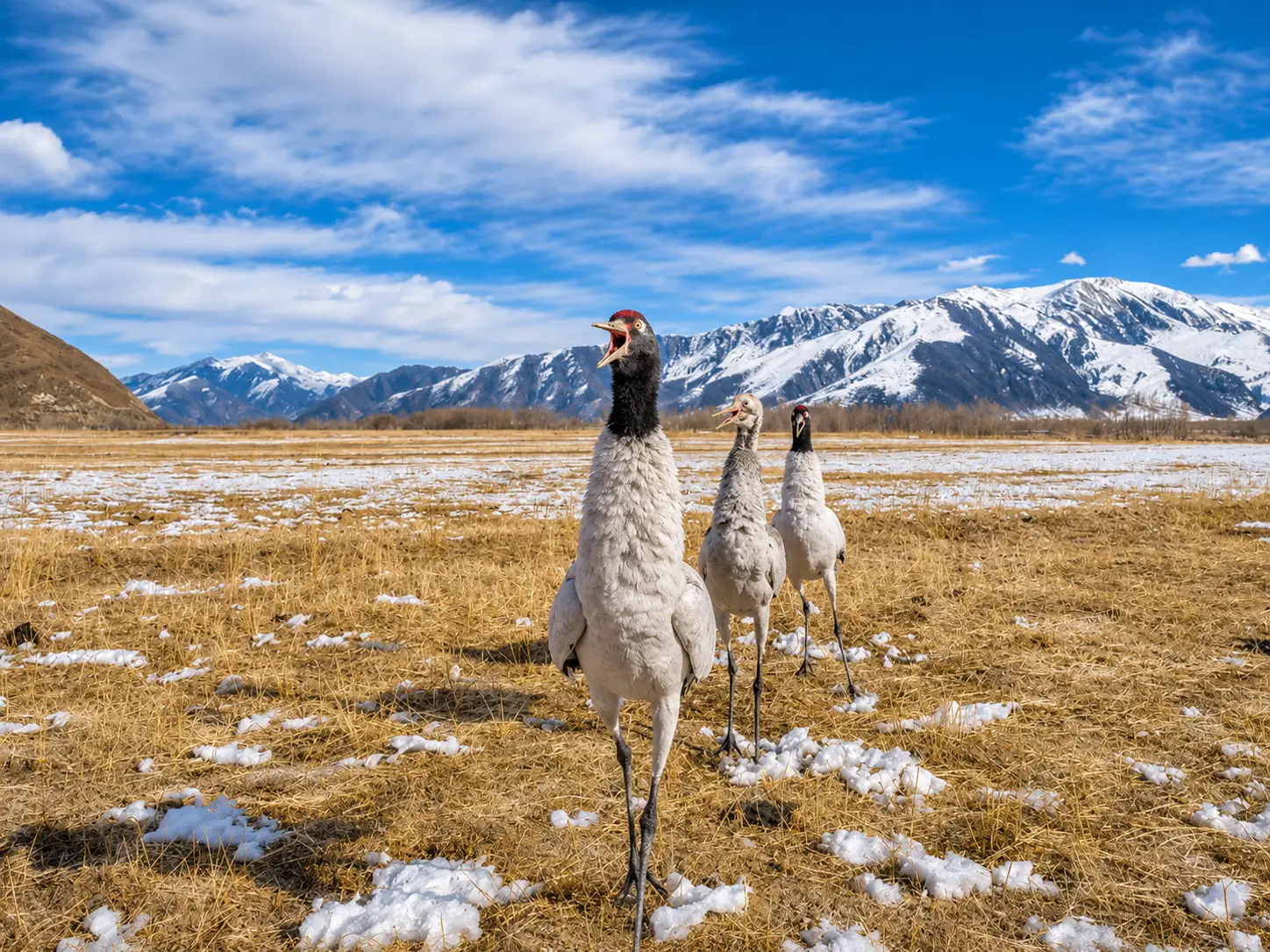
黑颈鹤 · Grus nigricollis
This plateau crane has a dark head and neck and a pale gray body.
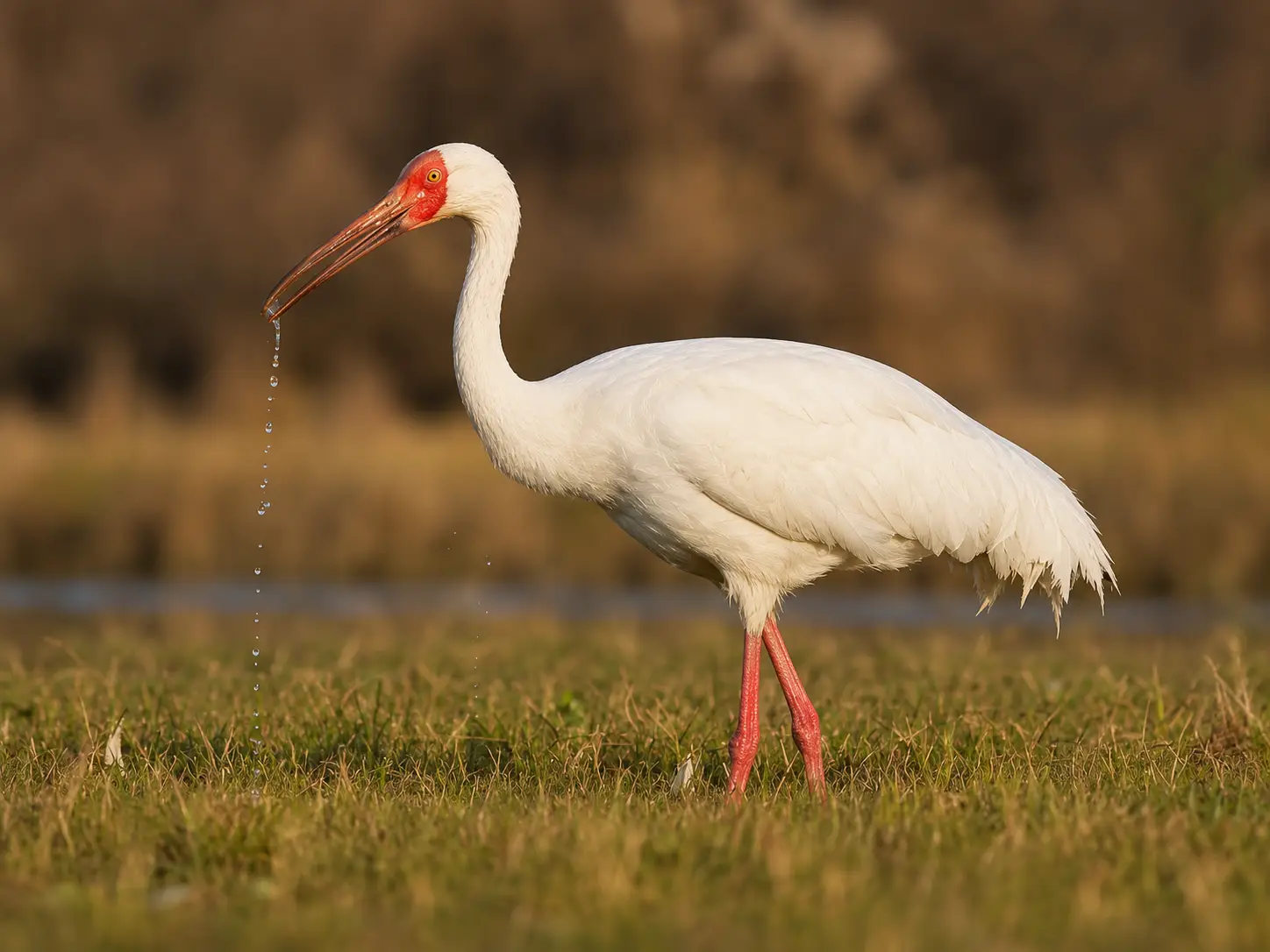
白鹤 · Leucogeranus leucogeranus
Adults are predominantly white, with a red face and black flight feathers.
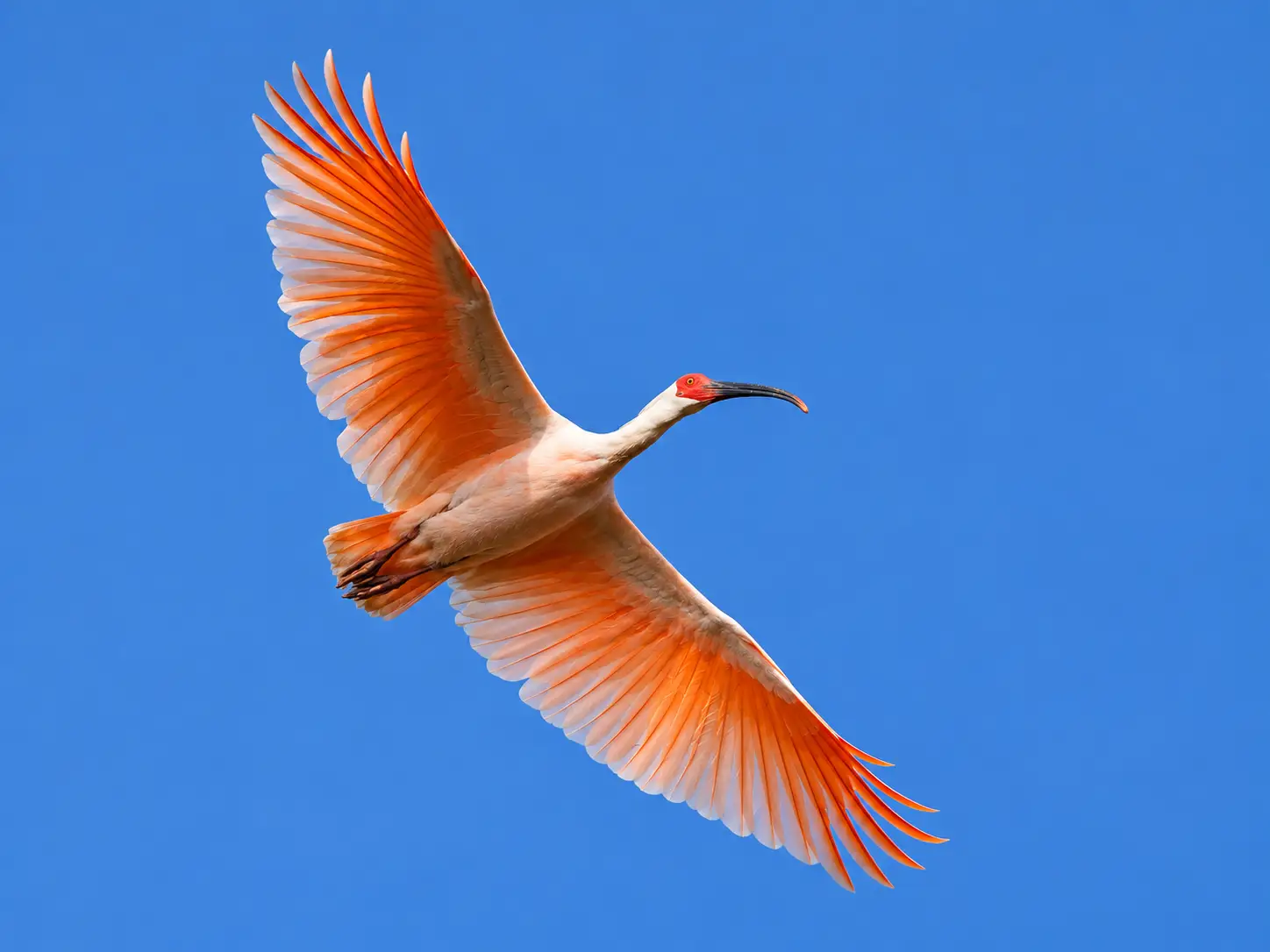
朱鹮 · Nipponia nippon
Look for a downcurved bill, red facial skin and pale plumage with a pink wash.
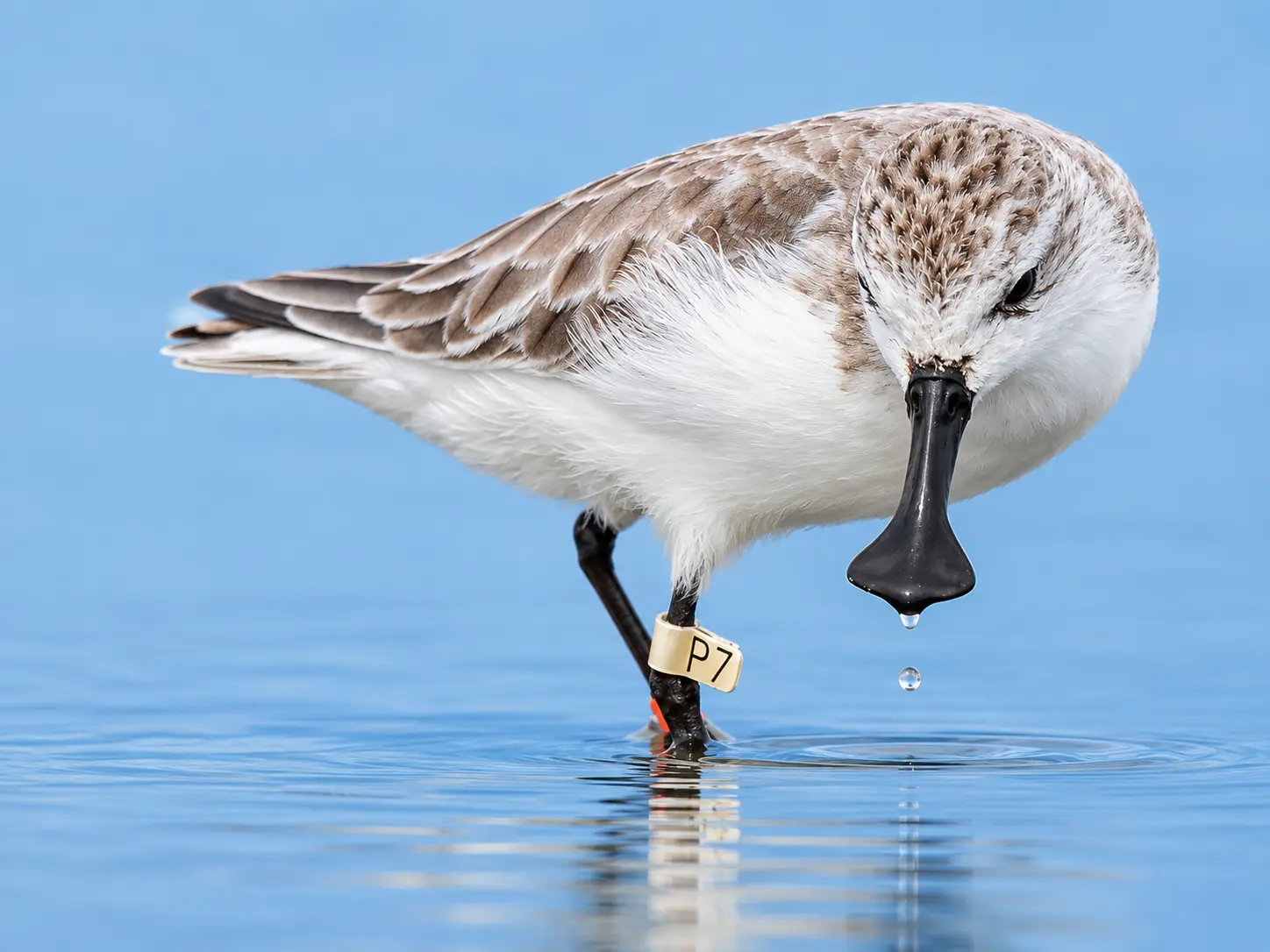
勺嘴鹬 · Calidris pygmaea
This small shorebird sweeps its distinctive spoon-shaped bill through shallow water and mud.
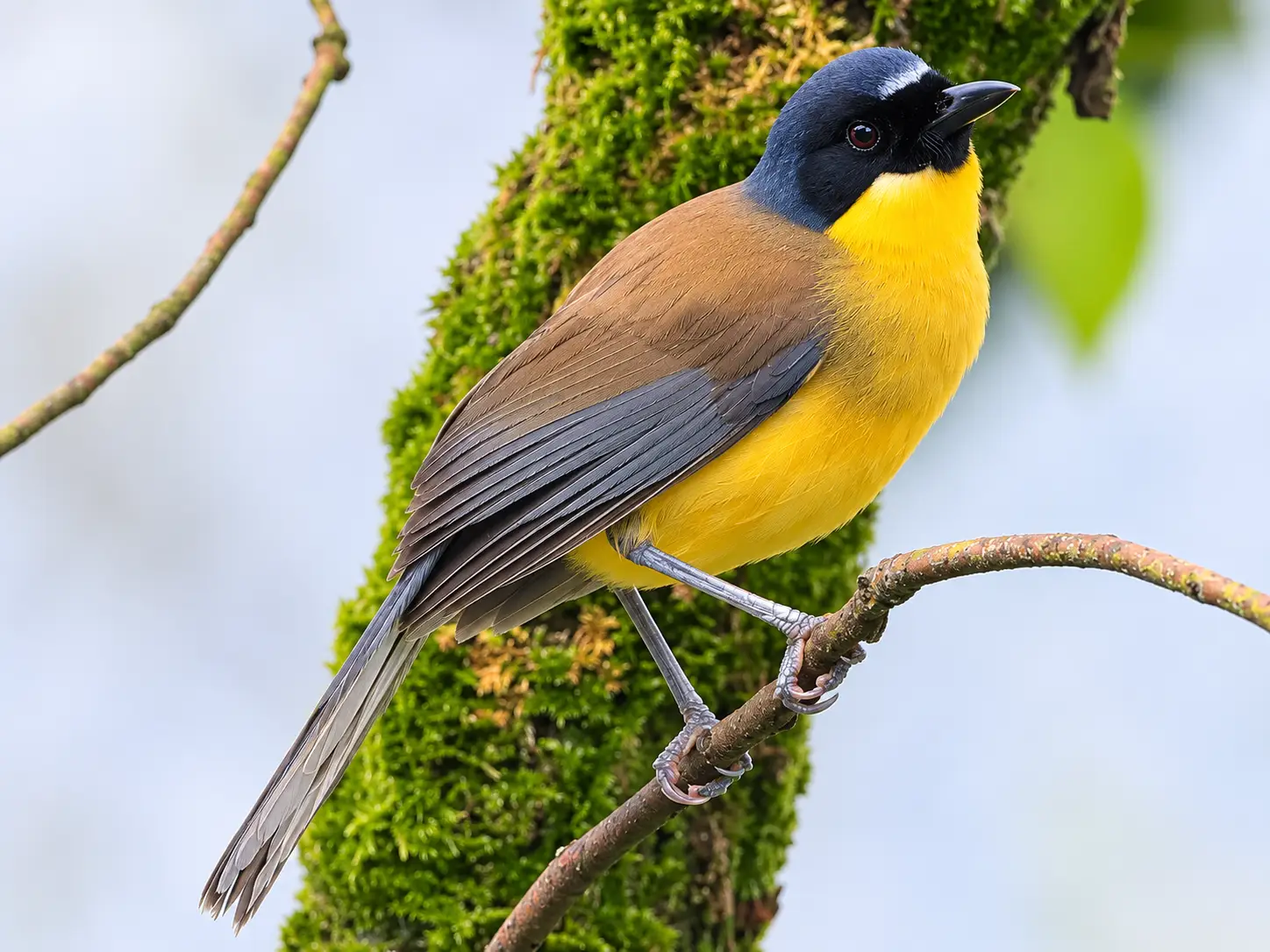
蓝冠噪鹛 · Pterorhinus courtoisi
A highly localized laughingthrush with a blue crown and yellow throat.
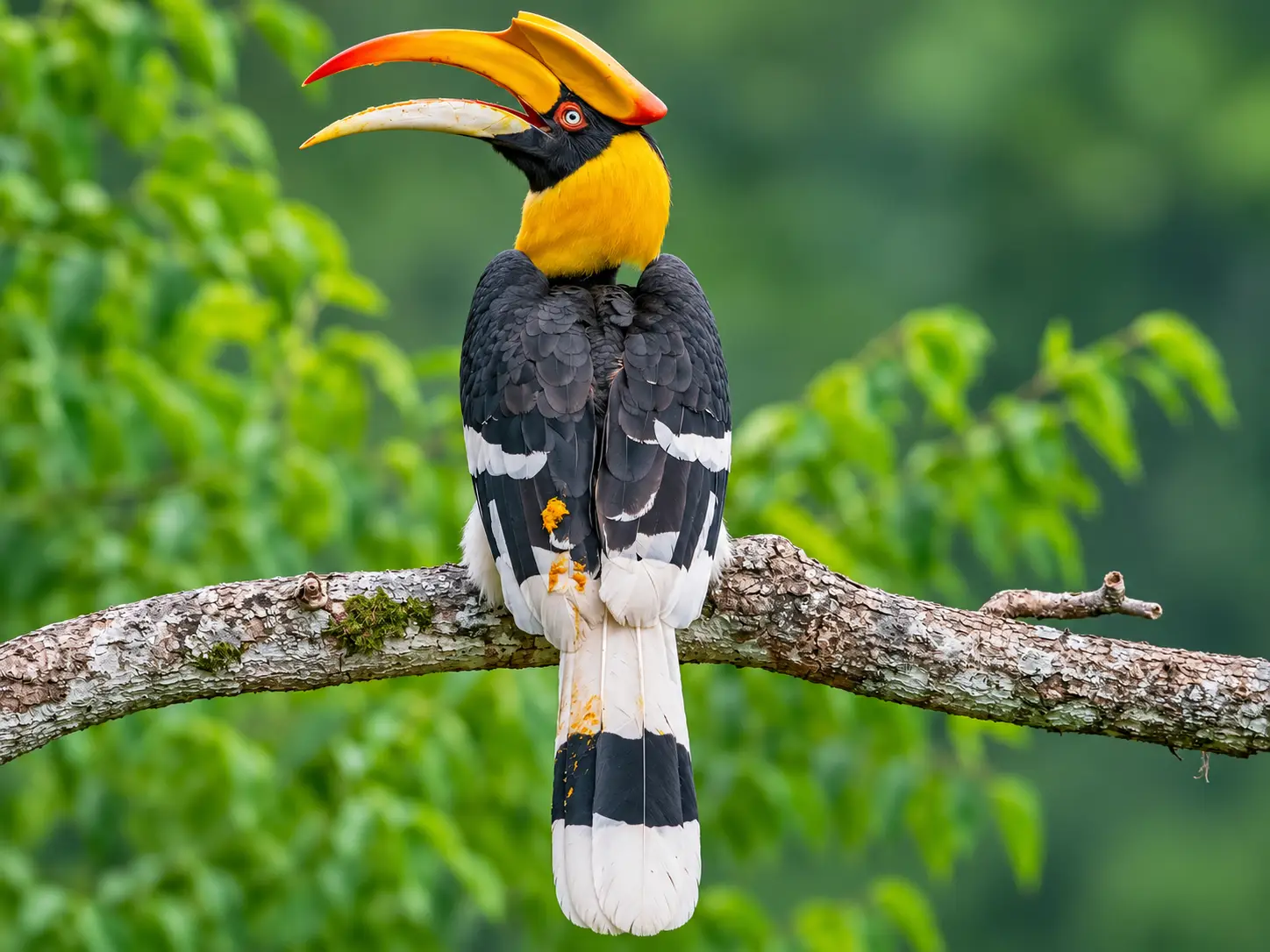
双角犀鸟 · Buceros bicornis
A large canopy bird with a prominent casque above its bill.
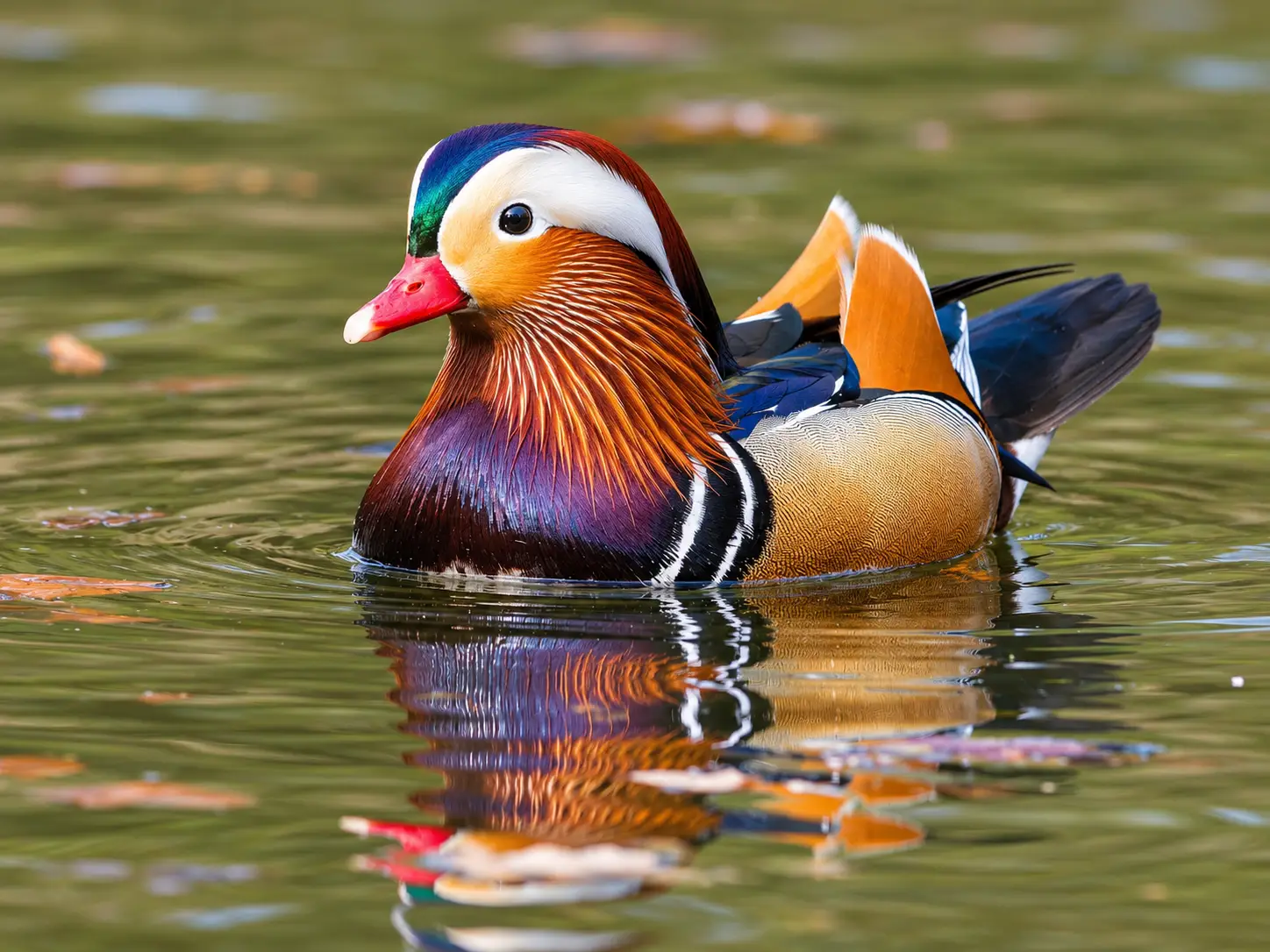
鸳鸯 · Aix galericulata
Breeding males are recognizable by their orange sail feathers.
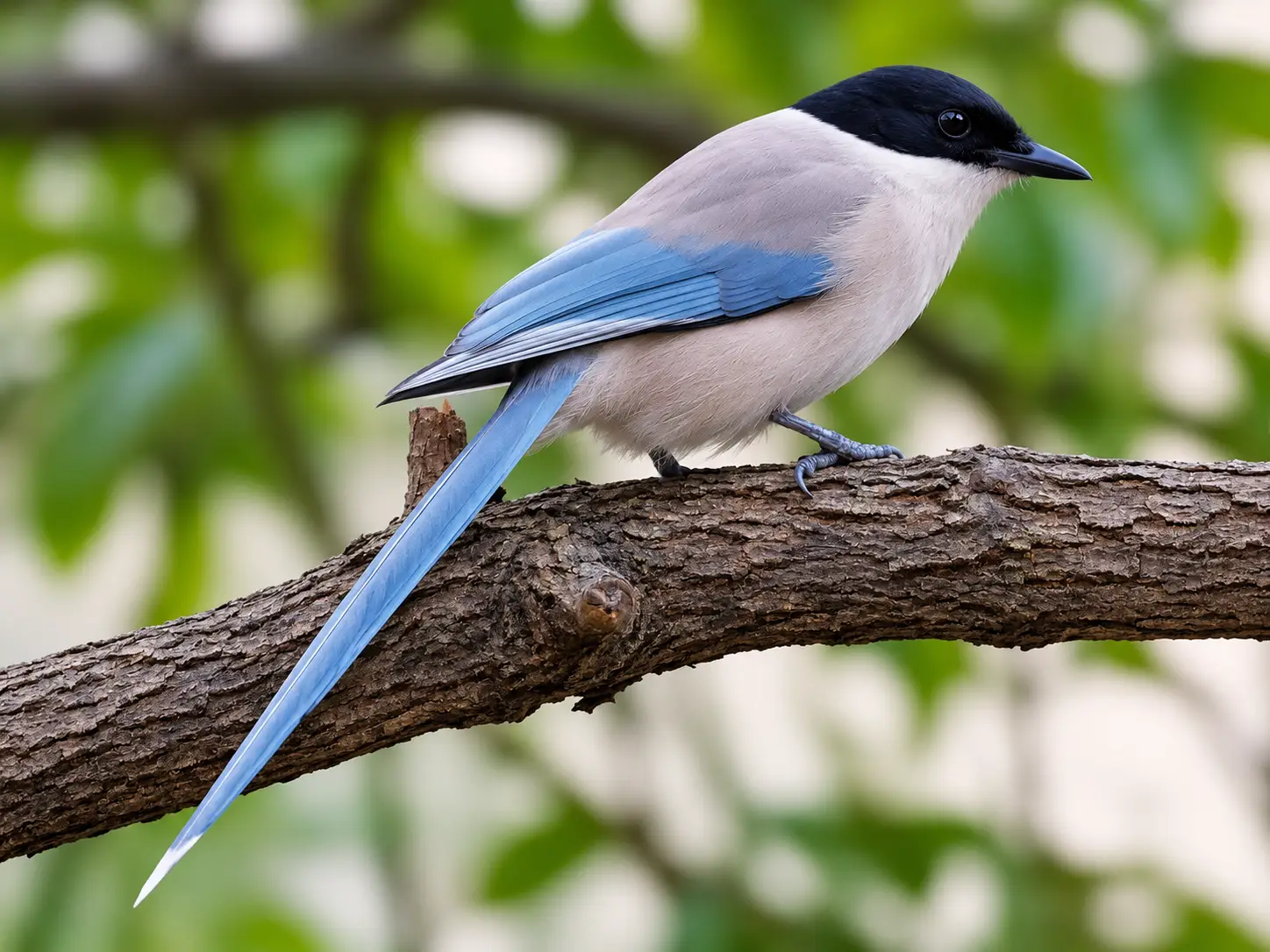
灰喜鹊 · Cyanopica cyanus
A social bird with a black cap and pale blue wings and tail.
Birds moving between northern Asian breeding grounds and wintering areas farther south depend on stopovers for feeding and rest. Along China's eastern coast, the Yellow Sea and Bohai Gulf provide intertidal habitat, while the Yangtze River basin supports inland stopovers and wintering grounds.
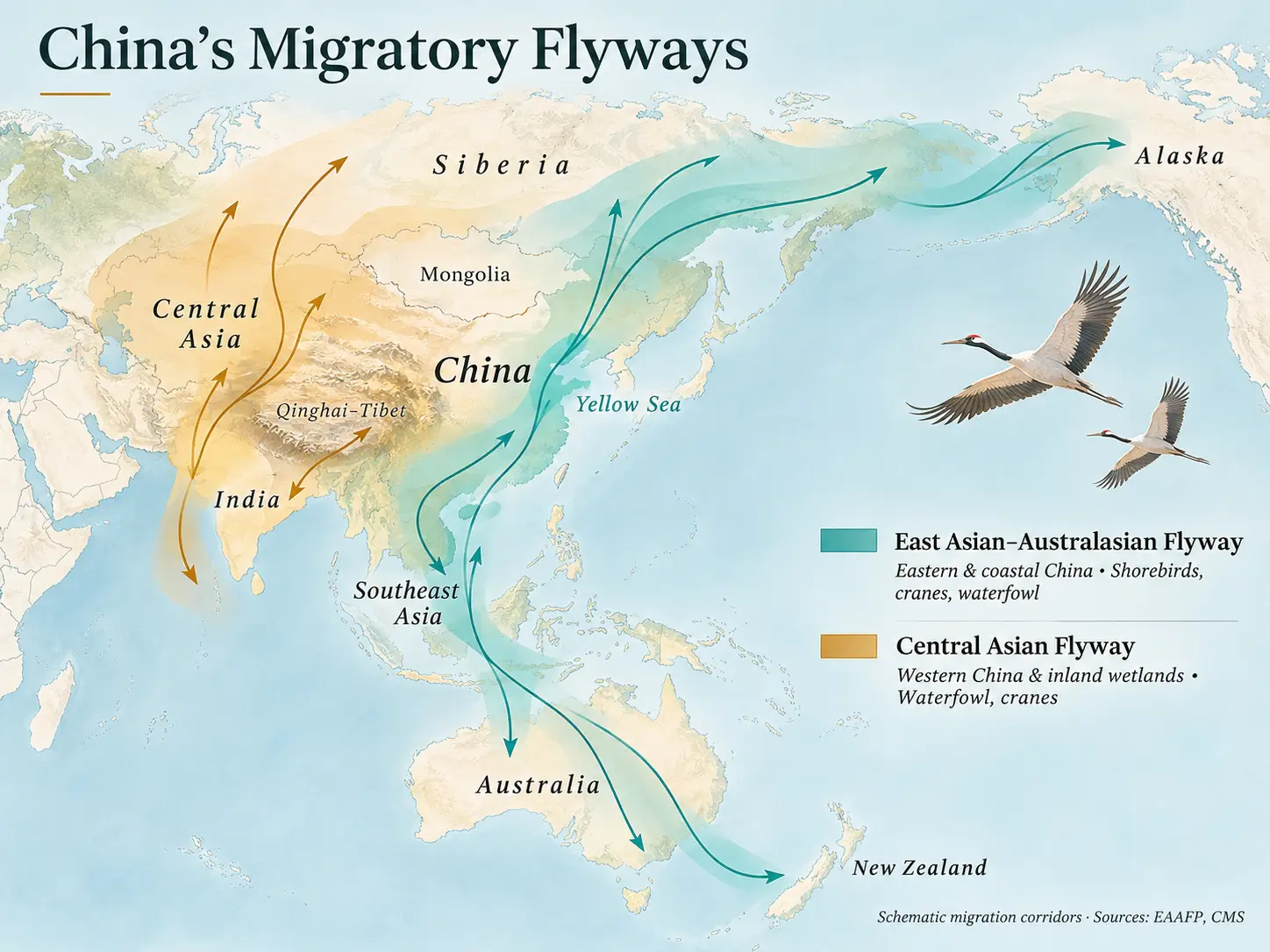
| Migration route | Regions | Representative birds |
|---|---|---|
| East Asian–Australasian Flyway | Eastern and coastal China | Shorebirds, cranes and waterfowl |
| Central Asian Flyway | Western China and inland wetlands | Waterfowl and cranes |
Spring and autumn offer migration opportunities, summer is rewarding in many mountain regions, and winter brings waterbirds to southern and eastern wetlands.
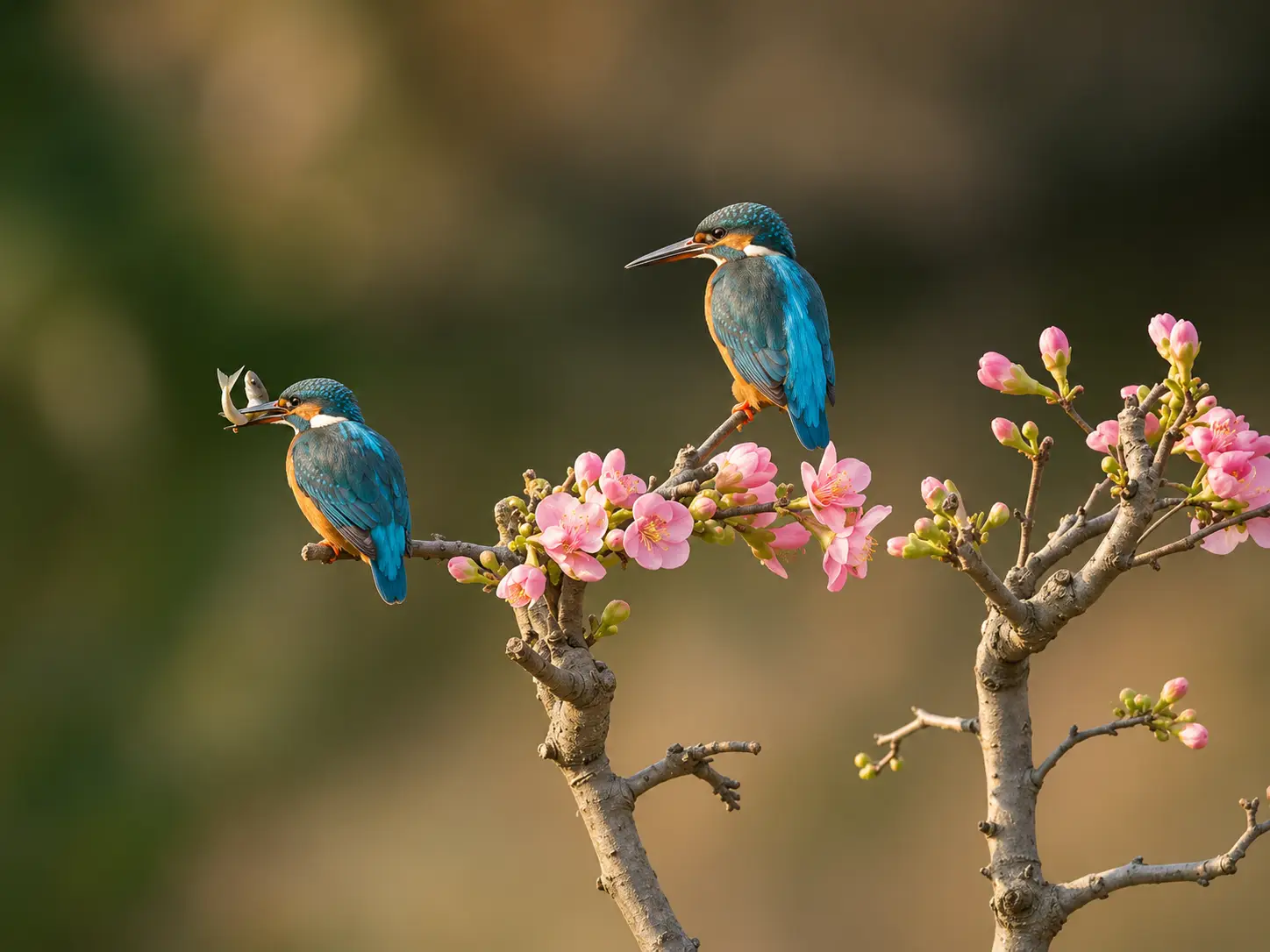
March to May
Migration, breeding activity and forest birdwatching.
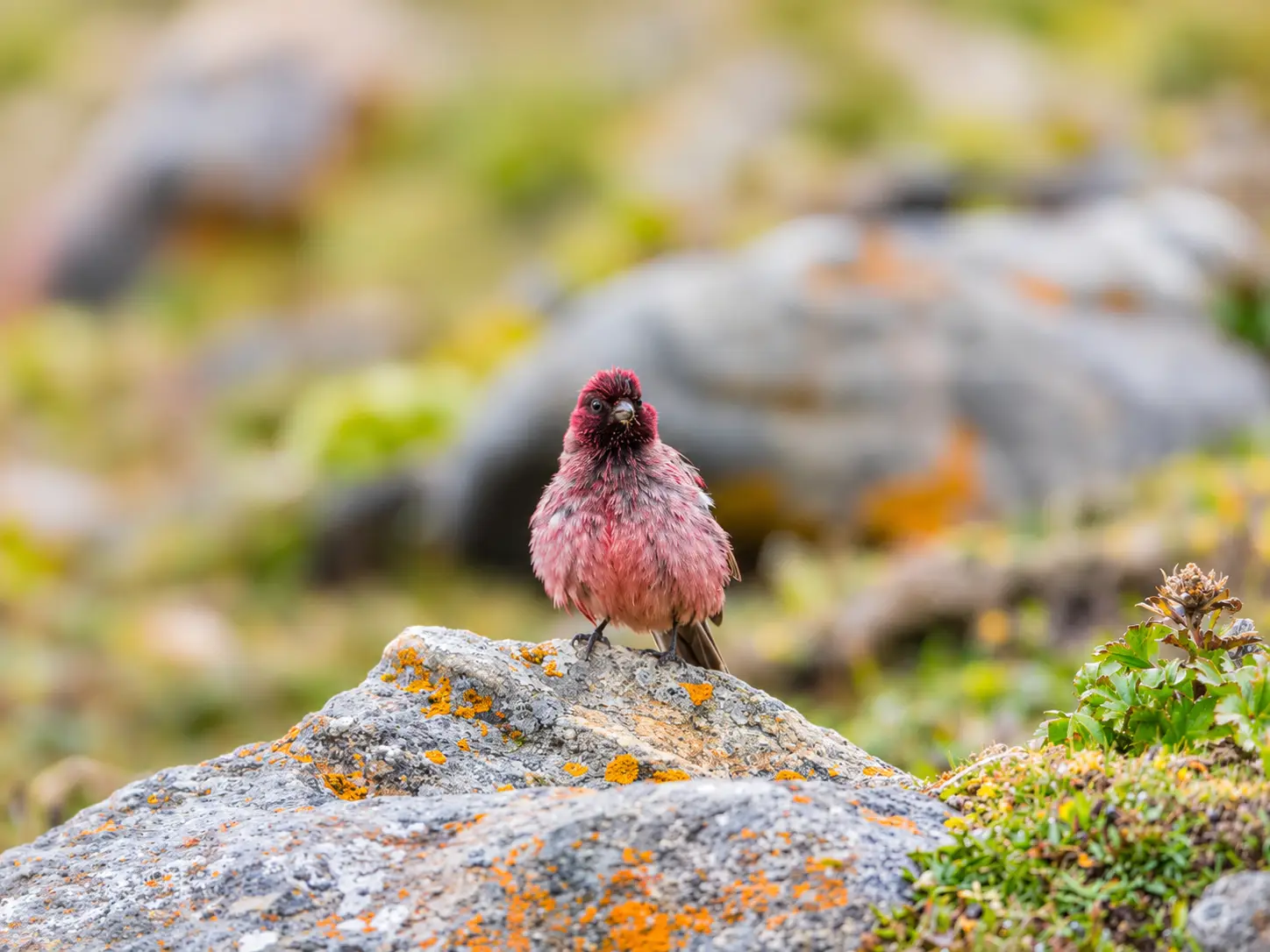
June to August
Mountain habitats, alpine species and breeding birds.
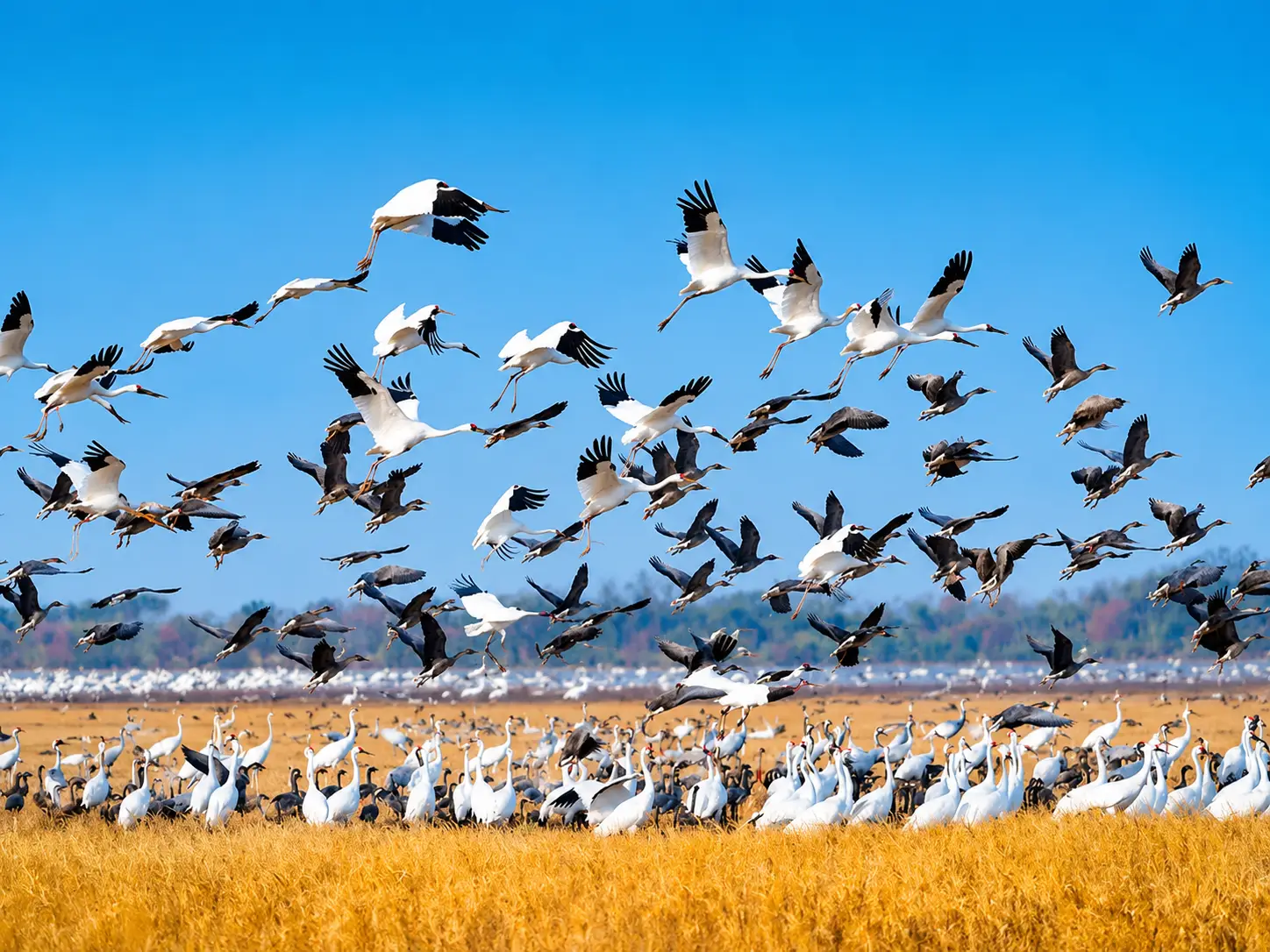
September to November
Migratory shorebirds, songbirds and raptors.
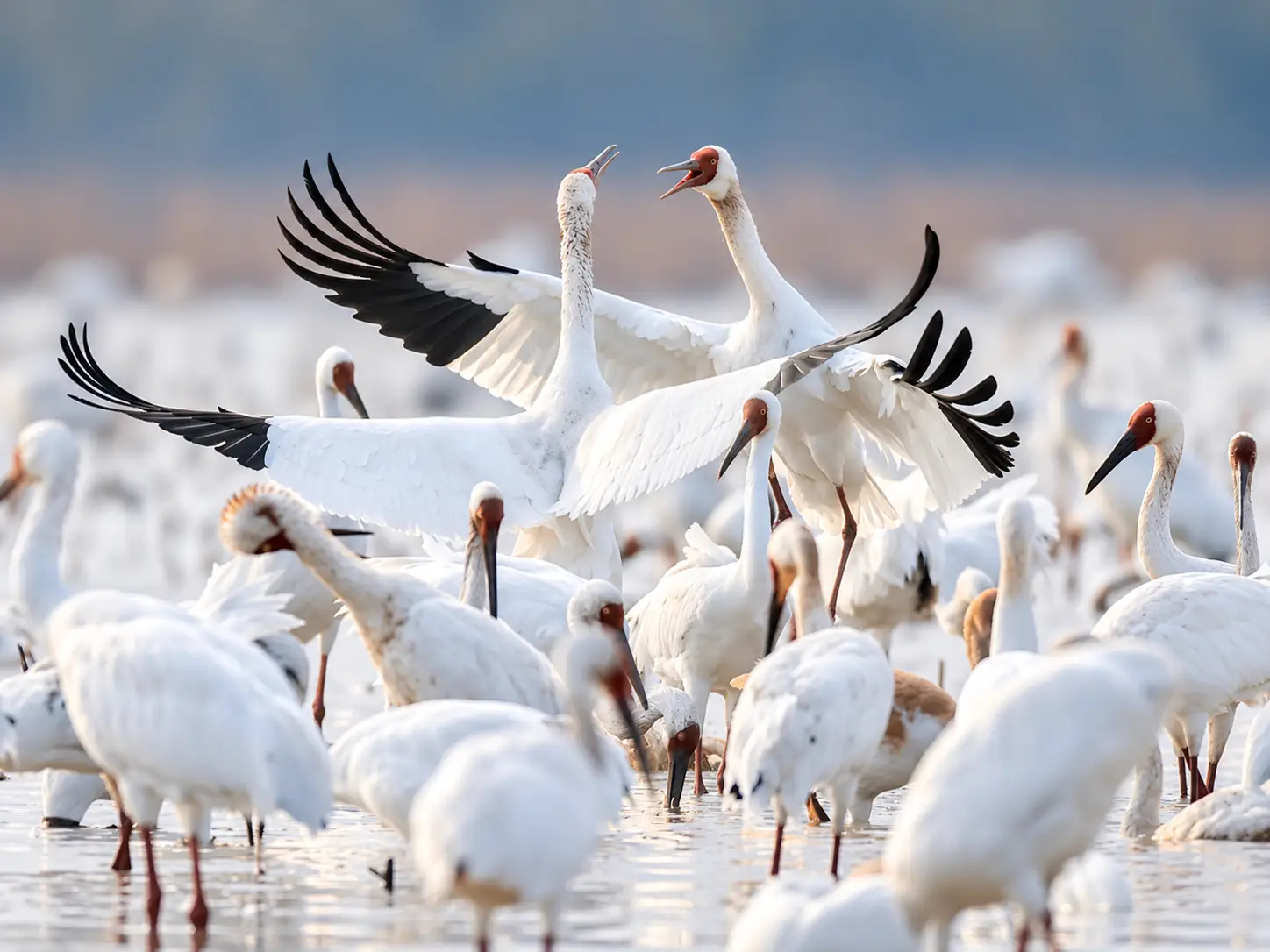
December to February
Wintering cranes, waterbirds and southern forest birding.
Timing varies by species, weather, tides and site access.
| Season | Suggested regions | Highlights |
|---|---|---|
| Spring | Beijing, Beidaihe and the Yellow Sea coast | Passage songbirds and shorebirds |
| Summer | Sichuan, Qinghai and the Tianshan | Alpine and plateau specialists |
| Autumn | Hebei, Jiangsu and Shanghai | Southbound coastal passage and raptor migration |
| Winter | Poyang Lake, western Yunnan and Hainan | Cranes, waterfowl and southern forest birds |
A few hours in an urban park can provide an introduction. Allow more time for different habitats, mountain travel or a trip centered on specific birds.
| Duration | Suggested journey | Suitable for |
|---|---|---|
| Half-day | Beijing urban birdwatching | First-time birders |
| One day | Yeyahu Wetland | Short-stay travelers |
| 2–3 days | Beijing and surrounding habitats | Nature enthusiasts |
| 5–7 days | Western Yunnan forests | Photography and forest birding |
| 7–12 days | Sichuan mountains and forests | Specialist birders |
| 10–14 days | Beijing and eastern coastal wetlands | Migration enthusiasts |
| 14–21 days | Sichuan and Yunnan | Multi-habitat journeys |
These are planning examples. Explore private birdwatching tours in China.
| Topic | Recommendation |
|---|---|
| Binoculars | 8×42 or 10×42 binoculars for general birding |
| Photography | A telephoto lens lets you work from a distance |
| Clothing | Neutral colors and layers suited to the season |
| Local guides | Particularly valuable in remote or specialist habitats |
| Transportation | Private transport can connect dispersed sites |
| Nature reserves | Confirm visitor zones, reservations and any permits with the reserve |
| Identification | Download field guides and birding apps before departure |
| Physical fitness | Consider altitude, walking distances and terrain |
| Accommodation | Stay near birding sites for early starts |
Watch from an appropriate distance, follow local rules and give nesting and feeding birds room. Avoid baiting, unnecessary playback and intrusive photography. Keep sensitive species locations private and use designated viewing areas in protected habitats.
Use national checklists for recorded species, regional observations for seasonal planning, and reserve notices for access. Checklists vary with taxonomy and geographic coverage. Sightings depend on field conditions.
Whether you are interested in a morning birdwatching walk in Beijing or a multi-region wildlife journey, we can discuss private arrangements around your interests, preferred pace and travel dates.