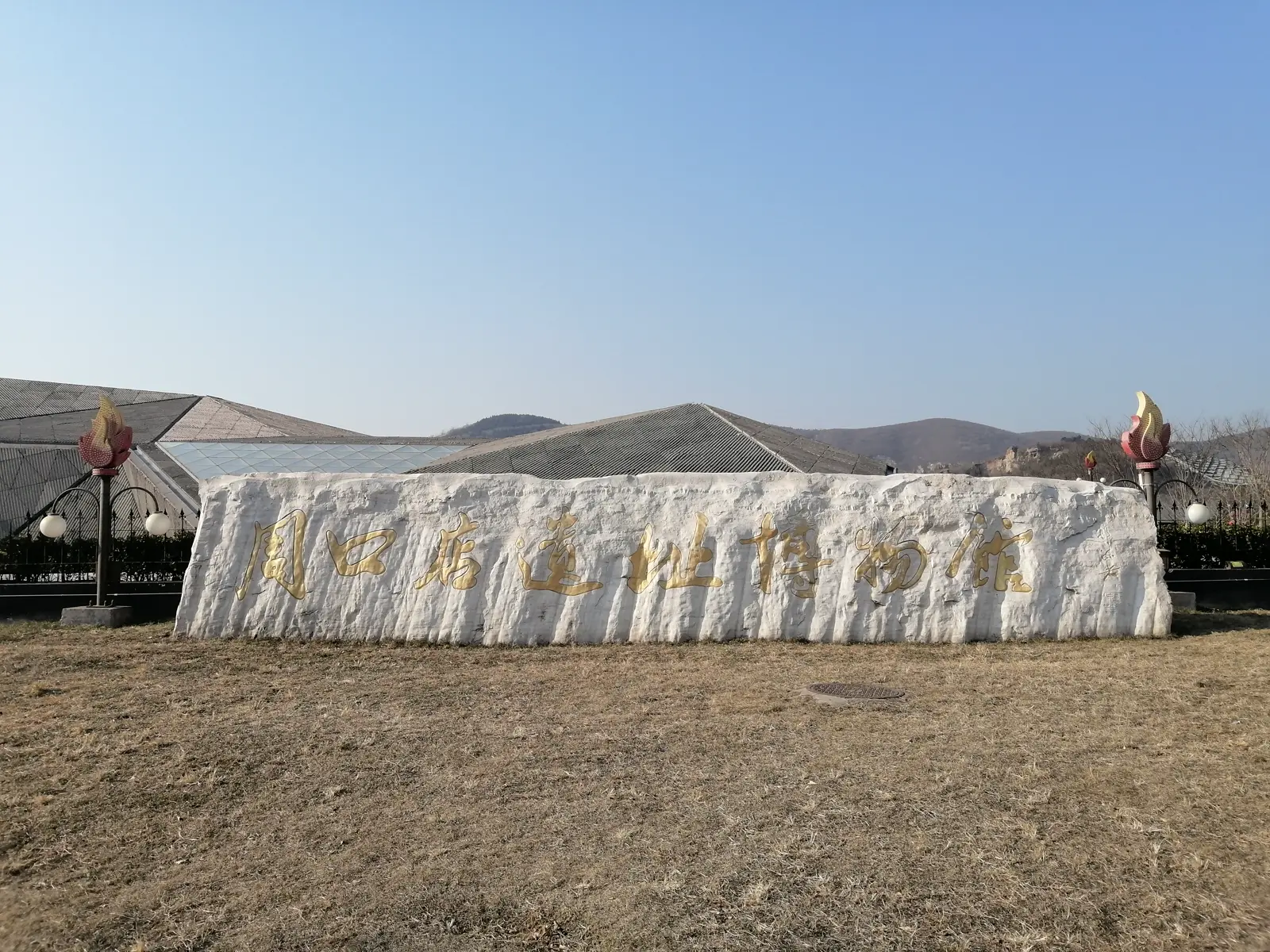
Two related experiences, not one interchangeable stop
Zhoukoudian rewards an interest in human origins rather than a desire to collect another imperial landmark. UNESCO recognizes the archaeological site for its importance to understanding early human societies and evolution. The museum gives that subject an indoor introduction; the archaeological park adds the landscape and excavation context.
Decide whether the museum is enough for your group or whether you also want the park. Check their admission and opening arrangements separately. A destination name on a tour or map does not establish that both are included, or that every cave and excavation area is open to enter.
Fangshan sits well outside central Beijing. Count the drive or rail connection, museum time, optional park time, and the return before you treat Zhoukoudian as a quick add-on to a palace day.
Museum or park?
| Stop | What it is | Plan separately |
|---|---|---|
| Site museum | Indoor exhibits on fossils, excavation and research | Check Monday closure and seasonal hours |
| Archaeological park | Outdoor landscape and excavation context | Confirm the open visitor route on your date |
| Combined day | Both experiences | Allow separate entry time and transport between them |
Let the museum explain what you are looking at
Fangshan’s tourism bureau describes exhibits about fossils, archaeological objects and the discovery, excavation, research and protection of the site. The present museum opened in 2014. Its subject is the evidence and the work of interpreting it, not simply a display of a famous skull.
Begin with the discovery story, then choose a few objects or reconstructions to study. With children, follow one question through the visit: what can a tool or fossil tell us, and what remains uncertain? Do not promise to see a particular original fossil unless the current exhibition confirms it. A cast, reconstruction and original object should be read according to its label.
Check the museum and park calendars separately
The tourism directory lists a shorter schedule from 11 October to 31 March, with a 16:00 close and ticket sales ending at 15:30. It lists Monday closure for the museum. Confirm your date through the official 周口店北京人遗址博物馆 channel, and check the archaeological park separately rather than assuming both places follow the same weekly calendar.
Check the ordinary-day booking procedure and accepted identification before traveling to Fangshan. Holiday activities or special registration offers may have different terms from a normal museum visit. Confirm whether your selected admission covers the museum, the archaeological park or both, and leave time for any separate entry procedures if you intend to visit both locations.
Quick facts
- Focus: Human origins and archaeology, not an imperial palace
- Museum hours (directory): Shorter 11 Oct–31 Mar schedule; 16:00 close, tickets end 15:30
- Museum closure: Mondays per tourism directory — confirm park separately
- Location: Fangshan District, southwest of central Beijing
- Ticket scope: Confirm whether admission covers museum, park or both
Add the park only when the route suits you
If you also want the outdoor archaeological context, check the open visitor route and how it connects with the museum. Allow separate time for moving between the experiences. Do not treat the park as a quick courtyard that can always be added immediately before closing.
Anyone who needs a step-free route should confirm the specific access rather than infer it from the museum’s facilities. Follow marked visitor paths and barriers around research and conservation areas. If weather makes the outdoor part unsuitable, a focused museum visit can still serve the main interest, provided its own opening is confirmed.
Common mistakes
Assuming one ticket covers everything
Museum and park calendars and admissions can differ. Confirm before purchase.
Planning from a vague Fangshan pin
Save separate destinations for museum and park, then build the return from the last stop you visit.
Treating every cave as enterable
Follow the marked visitor route and conservation barriers.
Combining with a central museum the same day
The travel time alone can consume a half-day. Give Zhoukoudian its own outing.
Plan a deliberate Fangshan outing
Save the museum and park as separate destinations on your map in Fangshan, then compare the complete journey from your hotel. For public transport, check the final connection and the return before departure. Do not expect a central-city metro journey to describe the entire approach to the site.
For an arranged car, explain whether you intend to visit the museum alone or both locations, and agree on the pickup accordingly. Keep a proper meal break and enough return time in the plan. If human origins is only a passing interest, weigh that travel commitment against a museum within central Beijing rather than visiting solely because of the World Heritage label.
If human origins is only a passing interest, a museum inside the city may fit your week better. Choose Zhoukoudian when the UNESCO story and the Fangshan landscape are the reason for the trip.
Frequently asked questions
- Do not assume so. Confirm the selected admission and current arrangements for each before purchase.
- The tourism directory specifically lists Monday closure for the museum. Confirm the park separately.
- No such access is promised here. Follow the currently open visitor route and conservation restrictions.
- It fits travelers who want human-origins context enough to spend most of a day in Fangshan. If the topic is mild curiosity, a central museum may be a better use of time.
- Public transport can work if you verify the final connection and return. A private car simplifies timing when you also want the archaeological park.
- Yes, if you follow one question through the galleries rather than trying to read every label. Pair the visit with a short, respectful outdoor walk only when the park is open.
Visitor information sources
Checked on 2026-10-24. Read the attraction’s latest notices before travel.