A closer look at everyday Beijing
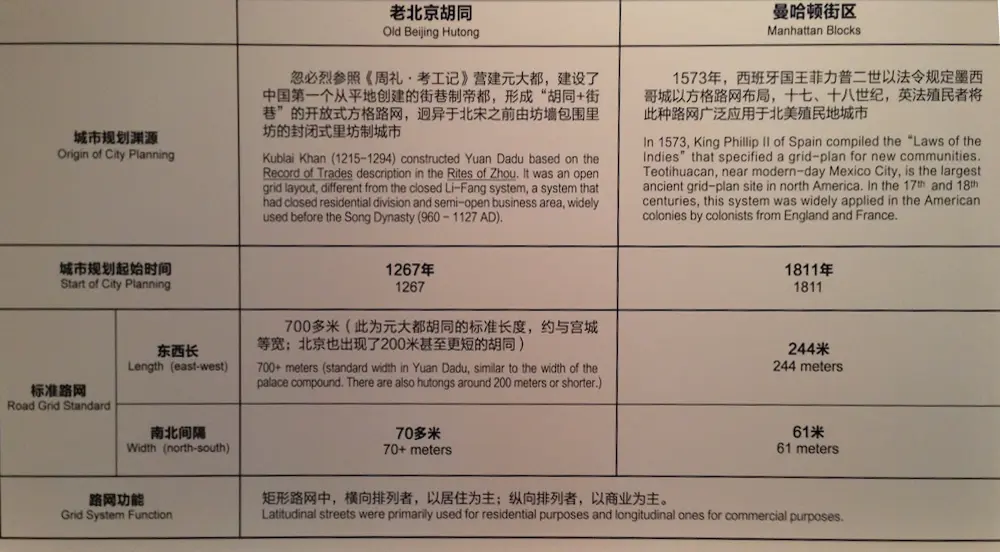
Choose Shijia Hutong Museum when you want a hutong walk to mean more than attractive doorways. Its focus is neighborhood life: how courtyards fitted together, what people used at home and what the lanes sounded like. This is a useful counterpoint to a palace visit, where the scale and stories concern a very different household.
The municipal tourism directory places the museum in the former home of writer Ling Shuhua. It describes courtyard models, domestic objects, reconstructed rooms and recordings of street sounds. Those displays give you things to look for on a later walk without treating today’s residents as part of an exhibition.
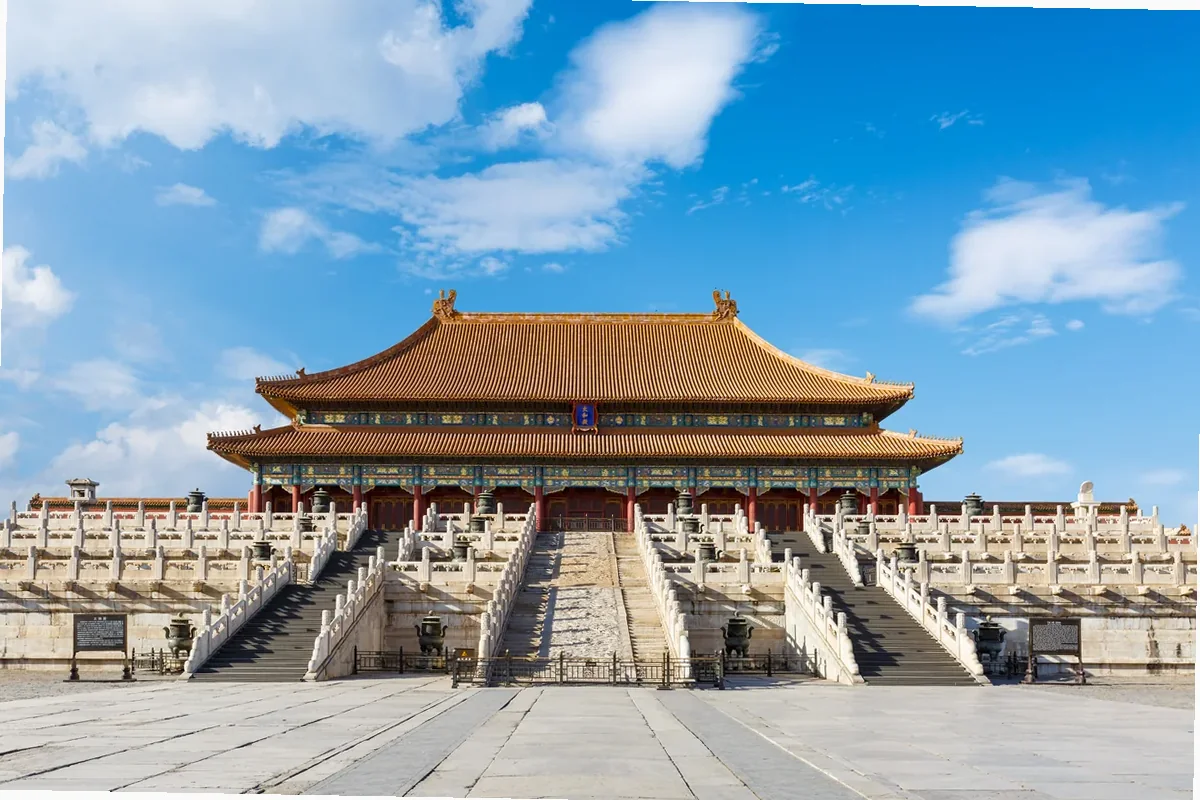
This museum works best after you have seen at least one large palace or temple. It explains courtyard life at a scale the Forbidden City does not teach on its own.
How to shape the visit
| Block | Time | Notes |
|---|---|---|
| Museum galleries | 60–90 minutes | Start with the courtyard model and sound display if it is running |
| Short hutong walk | 30–45 minutes | Stay in public lanes; no residential courtyard entries |
| Second museum | Optional skip | Do not stack two small museums on the same tired afternoon |
Begin with the model, then look closer
Use the courtyard model to understand the relationship between the lane and the homes behind its walls. Rather than trying to remember every historical name, follow one doorway into the arrangement of rooms and shared space. That question makes the surrounding streets easier to read.
The reconstructed rooms and household objects offer a second way in. Compare how space was used with how you use a home now. With children, invite them to choose one unfamiliar object and work out its purpose before reading the explanation. If the sound display is operating, listen before moving on: a neighborhood has a soundscape as well as an appearance.
Find the museum, not just the hutong
The tourism directory lists No. 24 Shijia Hutong, Dongcheng District, and Tuesday–Sunday hours of 09:30–16:30. Save the Chinese address, 东城区史家胡同24号, with the museum name 史家胡同博物馆. The listing’s contact number is +86 10 8517 5790. Check for a temporary closure before making this the day’s only fixed stop.
Navigate to the numbered courtyard rather than a general hutong pin. For a car journey, agree on a suitable drop-off on the approach and finish on foot if local access requires it. Avoid having a driver wait across a residential doorway while you look for the entrance.
Quick facts
- Address: No. 24 Shijia Hutong, Dongcheng — 东城区史家胡同24号
- Hours (directory): Tuesday–Sunday, 09:30–16:30
- Phone: +86 10 8517 5790
- Former home: Writer Ling Shuhua residence — neighborhood-history focus
- Not the same as: Hutong Zhang Folk Art Museum
Keep the visit small enough to enjoy
Start inside, then take a short walk that returns you toward your next stop. You do not need to turn the visit into a long march across the entire old city. Leave time to pause over the displays and follow an interesting detail instead of rushing through the rooms to meet an arbitrary sightseeing quota.
Keep a second indoor stop optional. A small neighborhood museum and a major national museum ask for different kinds of attention; combining both simply because they are museums can produce a tiring day. Choose this visit for a more intimate view of urban life, especially if you already have a monumental-history day planned.
Budget about 60–90 minutes inside, then 30–45 minutes in nearby lanes if energy allows. You do not need a long hutong march to justify the visit.
A museum ticket is not an invitation into homes
The museum is the place to examine a courtyard interior. Outside, stay in public lanes and enter other courtyards only when they are clearly open to visitors. An open residential gate does not make a home a tourist attraction. Ask before photographing a person at close range and leave enough room for residents to pass.
If a doorway or narrow lane is busy, move on rather than arranging a group photograph there. Keep voices low near homes. The most useful thing to take from the museum is a better understanding of the neighborhood, not a reason to intrude into it.
Common mistakes
Confusing museum names
Shijia Hutong Museum and Hutong Zhang are different addresses and stories.
Planning on Monday
The directory lists Tuesday–Sunday. Check for temporary closure notices.
Photographing residents at close range
Keep distance and ask before close portraits in living lanes.
Entering open gates
An open residential gate is not an invitation. The museum courtyard is the indoor exhibit.
Frequently asked questions
- No. Use the name Shijia Hutong Museum and the No. 24 Shijia Hutong address; the two names must not be treated as interchangeable.
- The municipal tourism directory lists Tuesday–Sunday. Check a current special-opening notice before planning otherwise.
- Yes, a short nearby walk gives the displays context. Stay in public lanes and respect residential courtyards.
- About one to two hours including a short nearby walk. It is a small museum, not a half-day palace.
- Yes, if you use the courtyard model and sound display as hands-on prompts, then keep the outdoor walk short and quiet.
- Pair it with a hutong walk you already planned in Dongcheng, or with the Temple of Heaven area on a different day — not two major museums back to back.
Visitor information sources
Checked on 2026-10-24. Read the attraction’s latest notices before travel.