
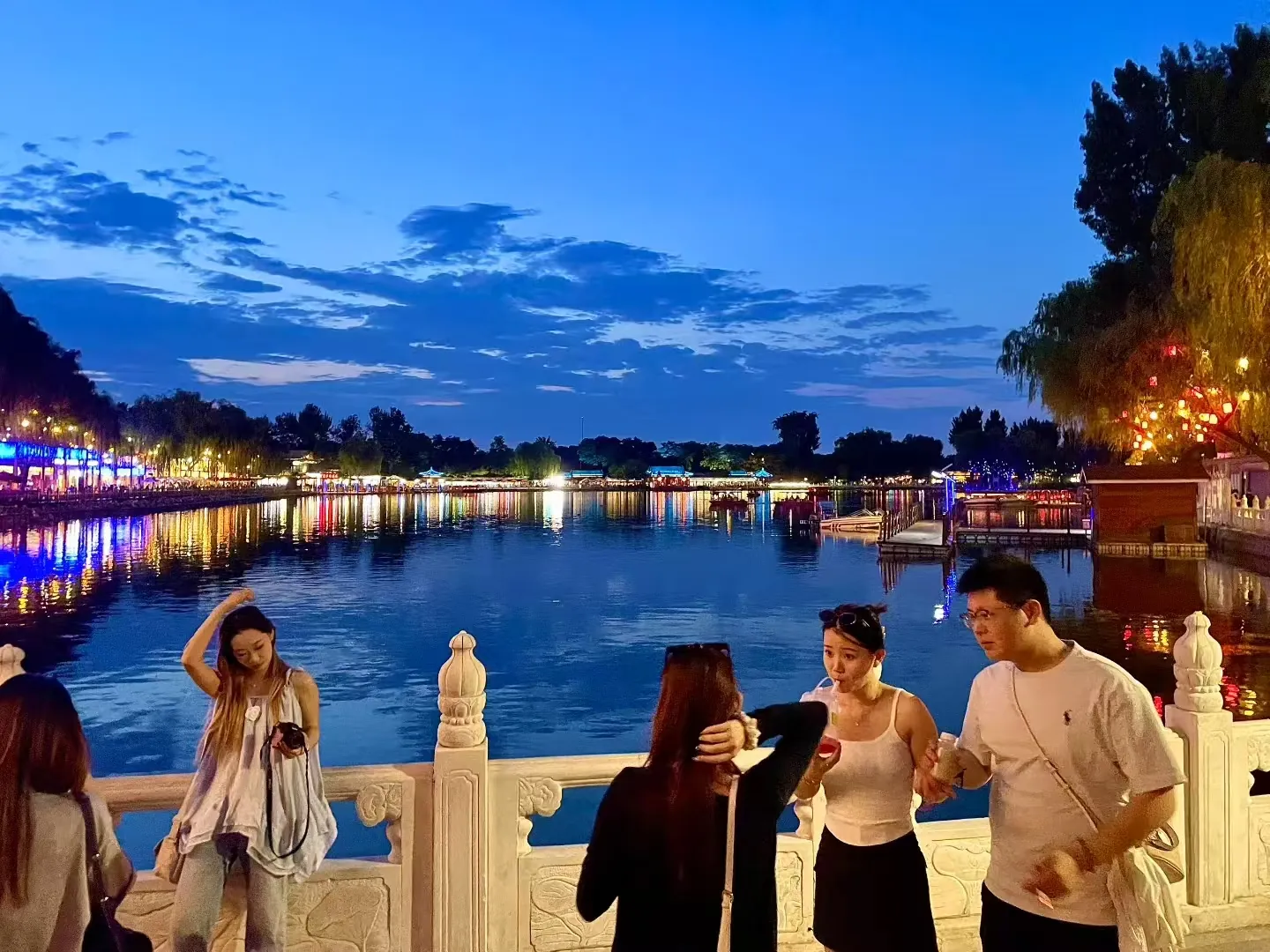
Where Old Beijing Meets the Water
- Location: Shichahai, Xicheng District, Beijing
- Chinese name: 什刹海 (Shíchàhǎi)
- Suggested visit: 3–4 hours, or half a day with nearby hutongs
- Best for: History, architecture, lakeside walks, photography, traditional neighborhoods, food, and cultural exploration
In a city famous for imperial palaces, monumental avenues, and ancient temples, Shichahai offers a different experience of Beijing.
Here, the landscape opens into a chain of lakes framed by willow trees, stone bridges, traditional courtyard houses, historic mansions, and narrow hutongs. Residents walk along the waterfront, cyclists pass through the lanes, and visitors gather at small cafés and restaurants overlooking the water.
Shichahai (什刹海) is one of the best-preserved historic neighborhoods in central Beijing, combining natural scenery with centuries of urban and cultural history.
Located northwest of the Forbidden City, the district developed around three connected lakes: Qianhai, Houhai, and Xihai.
For centuries, these waters formed part of Beijing's canal and lake system, supporting transportation, commerce, and the daily life of the capital.
The surrounding neighborhoods became home to princes, officials, scholars, merchants, and ordinary residents. Their legacy remains visible in grand residences, temples, courtyard compounds, and the intricate network of hutongs.
Today, Shichahai is both a historical landscape and a living neighborhood.
It is a place to explore slowly, following the water from one lake to another while discovering the many layers of Beijing's past.
1. Understanding Shichahai: Three Lakes, One Historic Neighborhood
Despite its name, Shichahai is not a single lake.
The district consists of three interconnected bodies of water in central Beijing.
Qianhai: The Southern Lake
Qianhai (前海), or Front Lake, is the most accessible part of Shichahai for many visitors.
Located close to the Drum and Bell Towers and the historic commercial streets around Yandai Xiejie, it is surrounded by restaurants, cafés, traditional buildings, and popular walking routes.
The southern and eastern shores are especially lively.
From here, visitors can explore the nearby hutongs or continue north toward Houhai.
Houhai: The Heart of Shichahai
Houhai (后海), or Back Lake, is the best-known of the three lakes.
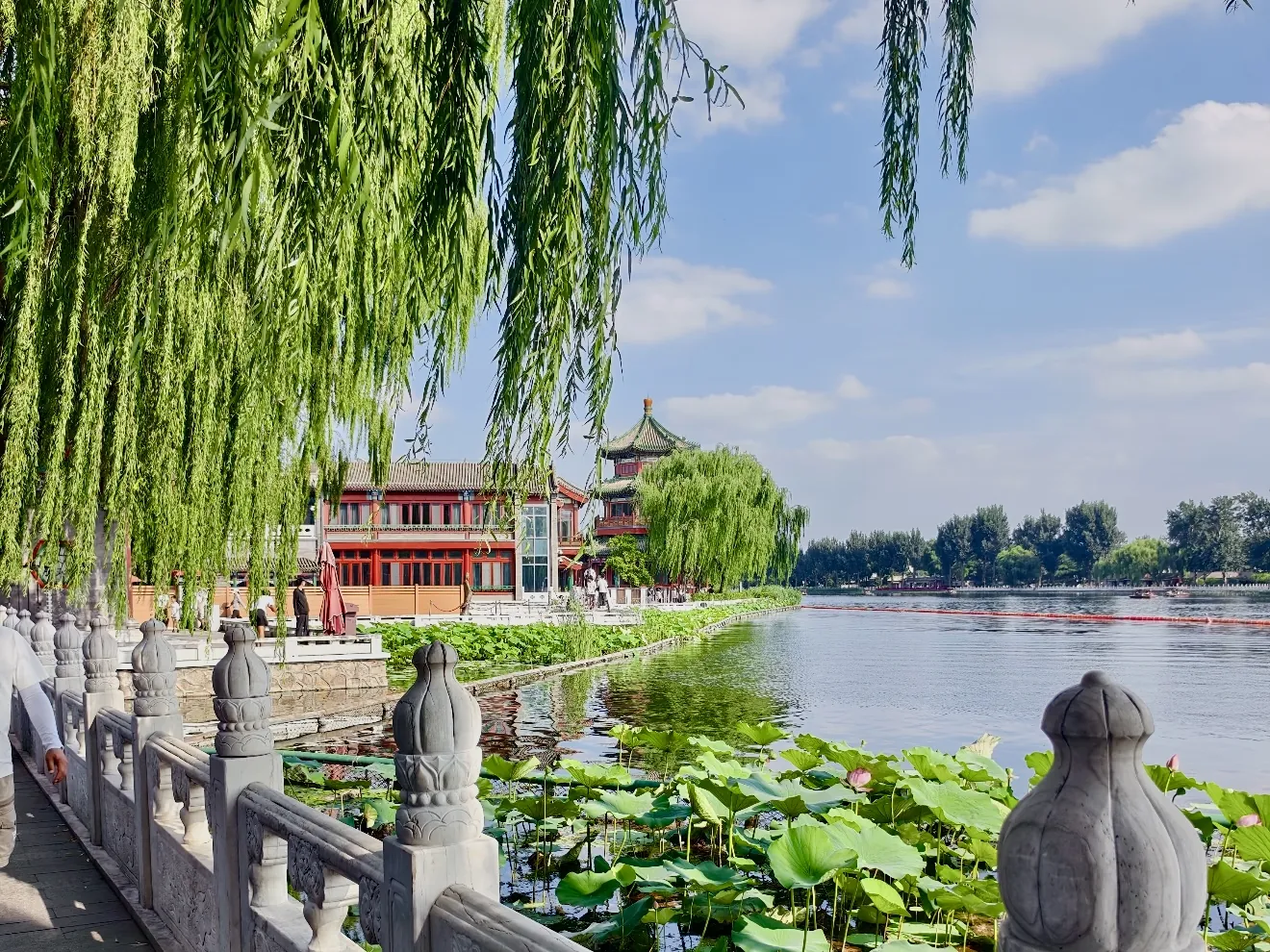
Its waterfront is lined with willow trees, traditional courtyards, restaurants, cafés, and historic buildings.
Houhai is particularly attractive in the late afternoon, when the changing light reflects across the water.
The lake is also associated with Beijing's nightlife, especially the bars and restaurants concentrated along parts of its shores.
Beyond these busier stretches, quieter lanes reveal a more traditional residential atmosphere.
 Click to enlarge
Xihai: The Quieter Western Lake
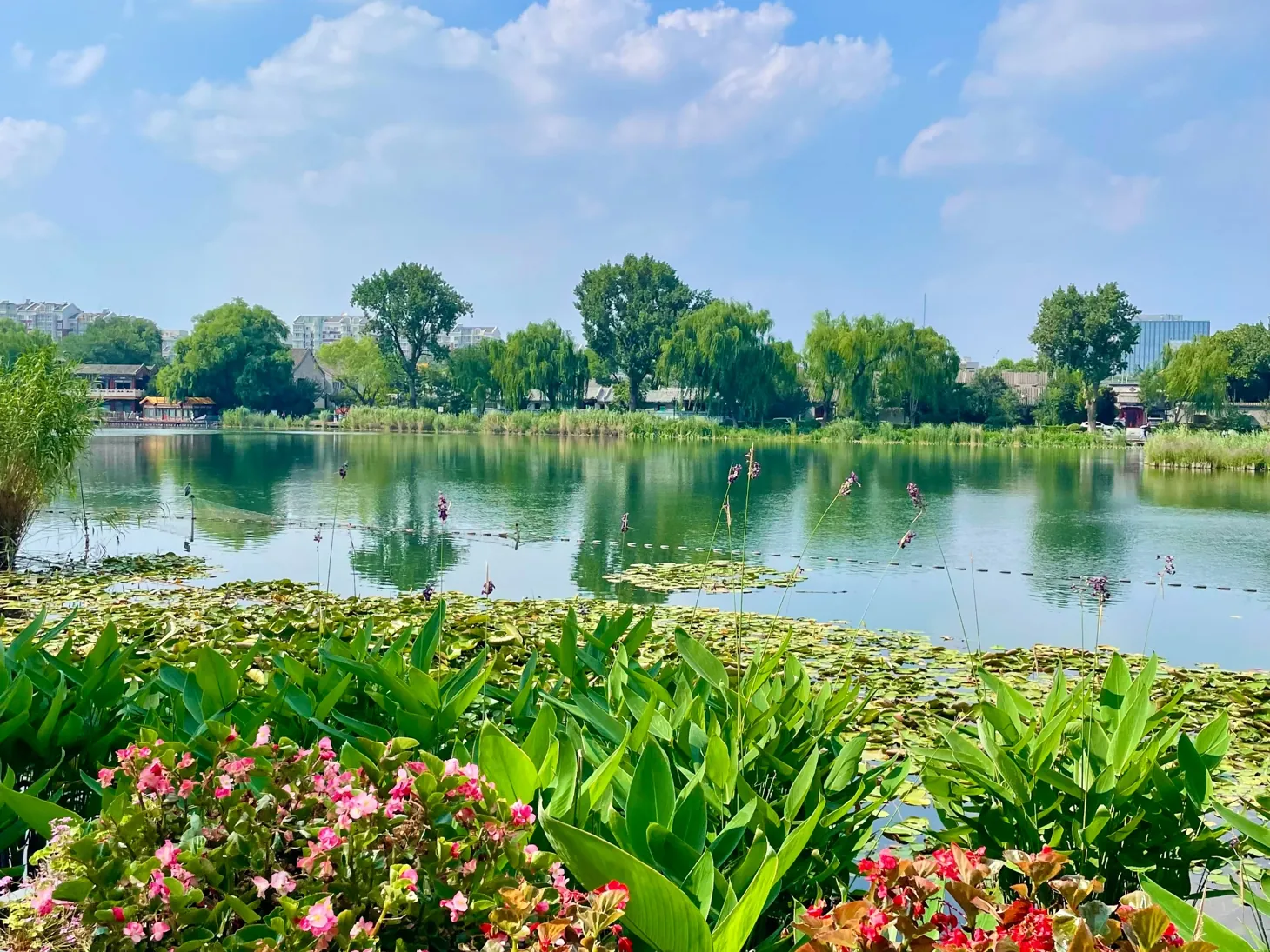
Xihai (西海), or West Lake, lies farther northwest.
It generally attracts fewer visitors than Qianhai and Houhai, making it appealing for those seeking a quieter walk.
The lake is connected with the historic waterway system that helped shape Beijing's development.
Its landscaped shores and surrounding neighborhoods offer a more relaxed perspective on Shichahai.
Together, the three lakes form a distinctive urban landscape where water, architecture, and neighborhood life remain closely connected.
 Click to enlarge
2. From the Grand Canal to the Imperial Capital
Shichahai's history is inseparable from Beijing's development as a capital.
During the Yuan dynasty, when Beijing was known as Dadu, the city's waterways became an essential part of its transportation and commercial infrastructure.
The Yuan-era engineer Guo Shoujing played an important role in developing the water management system that connected the capital with the wider canal network.
The Northern End of a Great Transportation System
The Grand Canal linked northern China with the economically prosperous regions of the south.
Grain, textiles, and other goods traveled along this vast waterway system, helping supply the imperial capital.
The Shichahai area was historically associated with the northern terminus of canal transportation and the commercial activity that developed around it.
Boats, warehouses, markets, and merchants helped make the surrounding district an important part of urban Beijing.
Although the waterways and their functions changed over the centuries, the lakes remain a visible reminder of the relationship between the city and its transportation infrastructure.
From Commercial Waterways to Scenic Lakes
During the Ming and Qing dynasties, Shichahai gradually acquired a different character.
The lakes and their surroundings became associated with temples, gardens, aristocratic residences, and recreational activity.
Members of the imperial family and high-ranking officials established residences nearby.
The district developed into a landscape where elite residential life existed alongside markets, temples, and ordinary neighborhoods.
This combination of commercial history, imperial connections, and local life remains central to Shichahai's identity.
3. Prince Gong's Mansion: The Grandeur of Qing-Dynasty Beijing
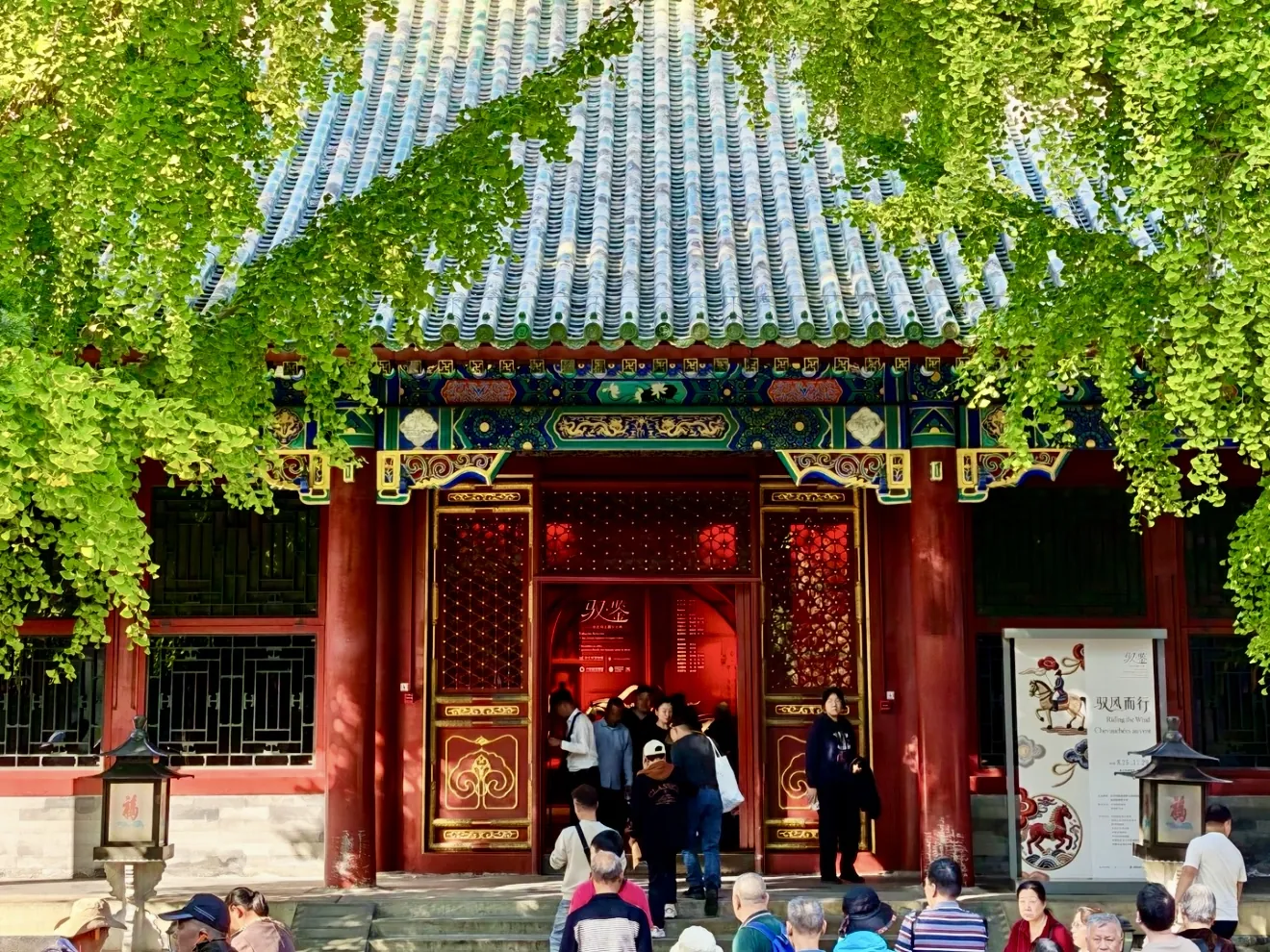
One of the most important historic landmarks near Shichahai is Prince Gong's Mansion (恭王府).
Located south of Houhai, the mansion is among the finest surviving examples of a Qing-dynasty princely residence in Beijing.
The complex combines ceremonial halls, residential courtyards, corridors, gardens, and decorative architectural details.
 Click to enlarge
From Heshen to Prince Gong
The mansion's history is closely associated with Heshen, a powerful official during the reign of the Qianlong Emperor.
Heshen accumulated extraordinary wealth and influence before falling from power after Qianlong's death.
The property later passed through other imperial hands and eventually became associated with Prince Gong, a prominent member of the Qing imperial family.
Its history reflects the wealth, hierarchy, and political relationships of the late imperial court.
Architecture and Garden Design
The mansion is divided into residential and garden areas.
Its buildings demonstrate the formal organization of Qing aristocratic architecture, with courtyards and halls arranged along carefully planned axes.
The rear garden offers a different atmosphere.
Artificial rockeries, ponds, pavilions, covered walkways, and ornamental details create a landscape intended for leisure and contemplation.
Prince Gong's Mansion provides an opportunity to understand how Beijing's aristocratic families lived beyond the Forbidden City.
Suggested visit: 1.5–2 hours Location: Liuyin Street, south of Houhai Admission: Ticketed attraction; check current reservations and opening arrangements
4. Yandai Xiejie: The Historic Tobacco-Pouch Street
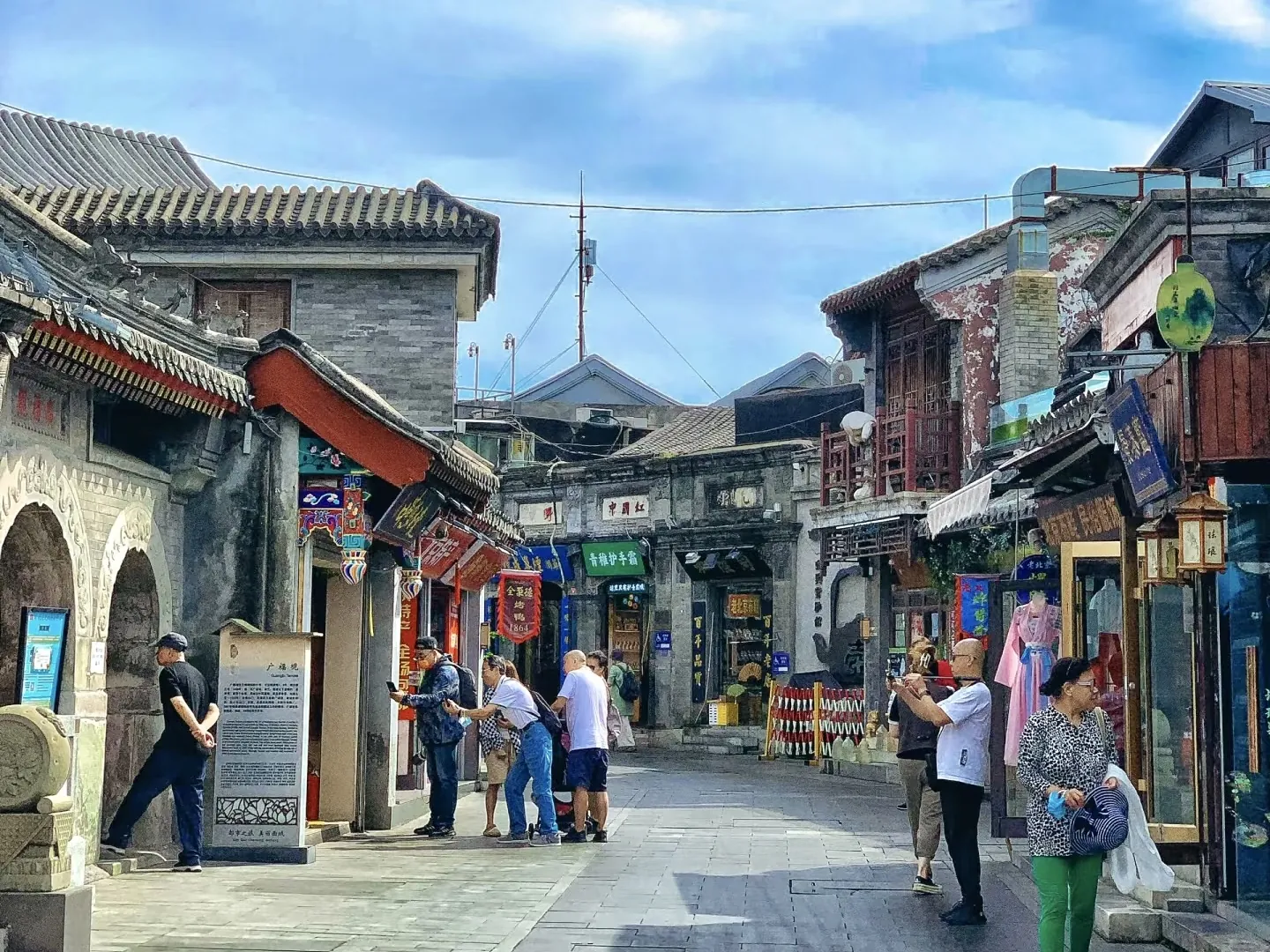
At the southeastern edge of Shichahai lies Yandai Xiejie (烟袋斜街), one of Beijing's best-known historic commercial streets.
Its name translates as Tobacco-Pouch Diagonal Street.
The street's unusual name reflects its historical association with tobacco-related businesses and its distinctive diagonal layout.
 Click to enlarge
A Street Shaped by Commerce
During the Qing dynasty, Yandai Xiejie became known for shops selling tobacco pipes, pouches, and related goods.
Over time, other businesses appeared, including antique dealers, craft shops, restaurants, and specialty stores.
The street developed a commercial identity closely connected with the nearby Drum Tower and Shichahai neighborhoods.
Yandai Xiejie Today
Today, the narrow street is lined with traditional-style storefronts, cafés, souvenir shops, and small businesses.
It is popular with visitors, particularly during weekends and holidays.
Although many businesses now cater to tourism, the street retains its historic alignment and provides an interesting introduction to Beijing's traditional commercial architecture.
Look for older brickwork, wooden shopfront details, narrow entrances, and the relationship between the commercial street and surrounding residential lanes.
Suggested visit: 20–30 minutes Best combined with: Qianhai, Silver Ingot Bridge, and the Drum Tower
5. Silver Ingot Bridge: One of Shichahai's Classic Views
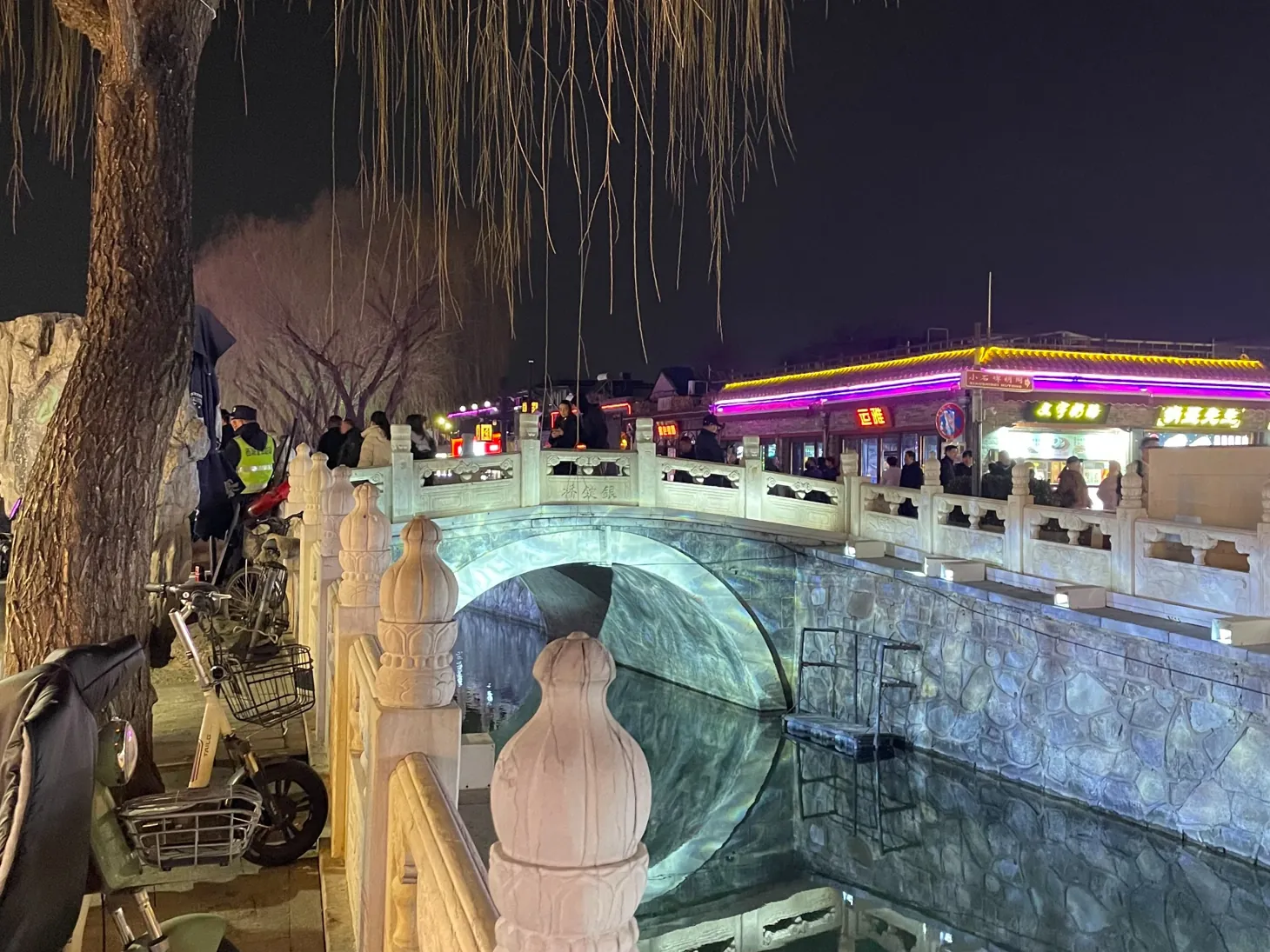
Silver Ingot Bridge (银锭桥, Yinding Qiao) is one of Shichahai's most recognizable landmarks.
The small stone bridge stands at the connection between Qianhai and Houhai.
Its name refers to its resemblance to a traditional silver ingot.
Although modest in size, the bridge occupies an important place in Beijing's scenic history.
 Click to enlarge
The Famous View Toward the Western Hills
Historically, the bridge was associated with a celebrated view known as *Yinding Guanshan* (银锭观山), or Viewing the Mountains from Silver Ingot Bridge.
On clear days, the distant Western Hills could be seen beyond the water and the rooftops of the old city.
The view became admired for its combination of natural scenery and urban landscape.
Modern buildings, trees, and atmospheric conditions can affect visibility today, but the bridge remains an attractive place to observe the relationship between Shichahai's lakes and the surrounding neighborhoods.
A Natural Meeting Point
Silver Ingot Bridge is also a convenient landmark for exploring the area.
From here, visitors can walk south around Qianhai, north along Houhai, or east toward Yandai Xiejie and the Drum Tower.
The bridge is especially atmospheric in the early morning and late afternoon.
6. The Drum and Bell Towers: Beijing's Historic Timekeepers
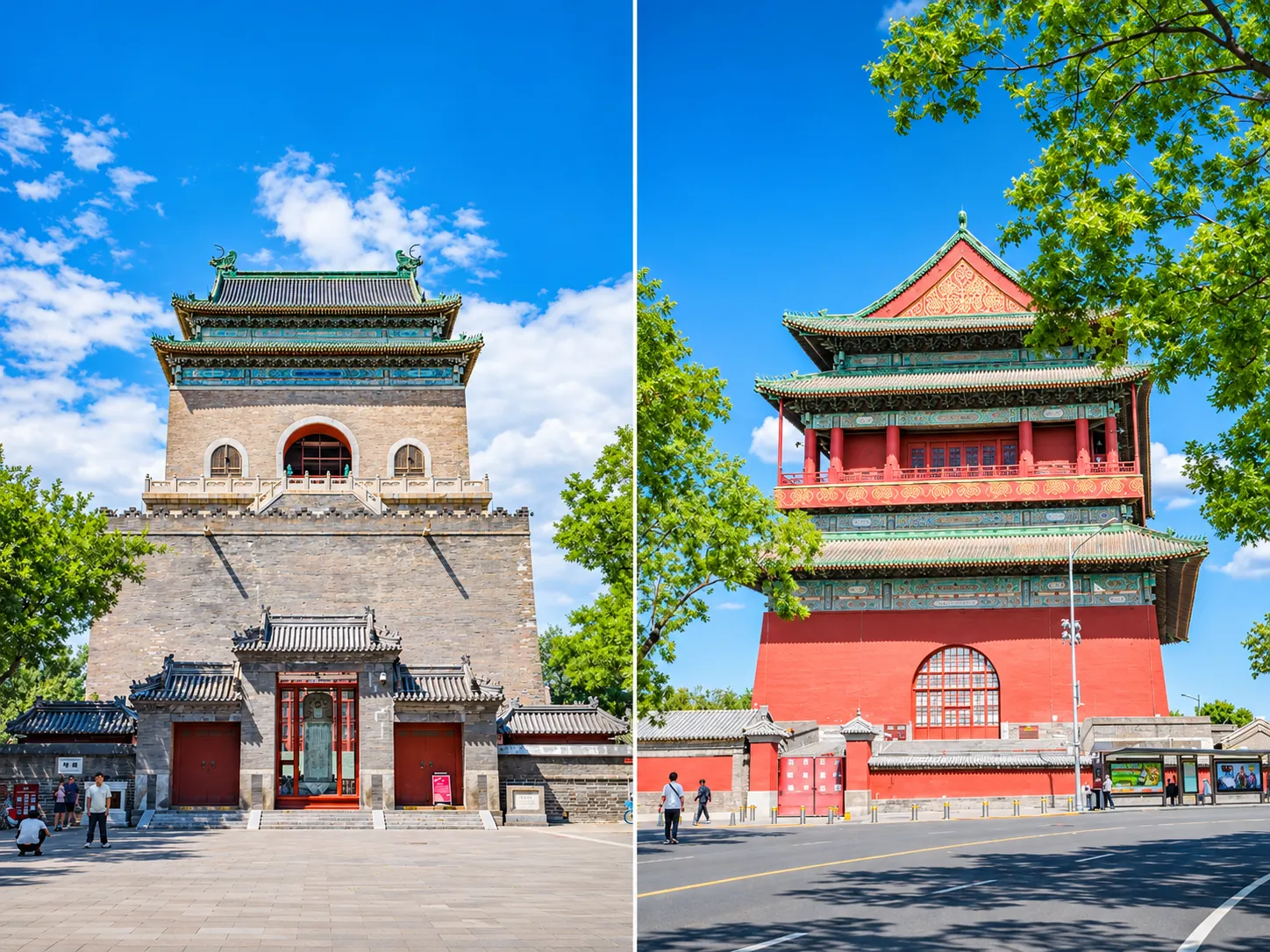
Just east of Shichahai stand the Drum Tower (鼓楼) and Bell Tower (钟楼).
For centuries, these monumental buildings played an important role in the organization of urban life.
Before modern clocks became common, drums and bells were used to announce time and regulate daily routines.
 Click to enlarge
The Drum Tower
The Drum Tower stands at the southern end of the historic tower complex.
Its elevated structure provides views across the surrounding hutong neighborhoods.
The building reflects the importance of timekeeping in imperial Beijing, when public signals helped organize city life.
The Bell Tower
The Bell Tower stands farther north.
Its architecture is more restrained, but the building is equally important to the historic timekeeping system.
Together, the two towers form a prominent landmark along Beijing's traditional central axis.
Exploring the Surrounding Neighborhood
The streets around the towers are among the most recognizable historic neighborhoods in Beijing.
Traditional courtyard houses, narrow hutongs, small shops, and contemporary cafés coexist within a compact urban area.
The towers also provide a natural connection between Shichahai and the neighborhoods around Nanluoguxiang.
Suggested visit: 45–90 minutes for the tower area, longer if entering both buildings
7. The Hutongs of Shichahai: Everyday Life in Old Beijing
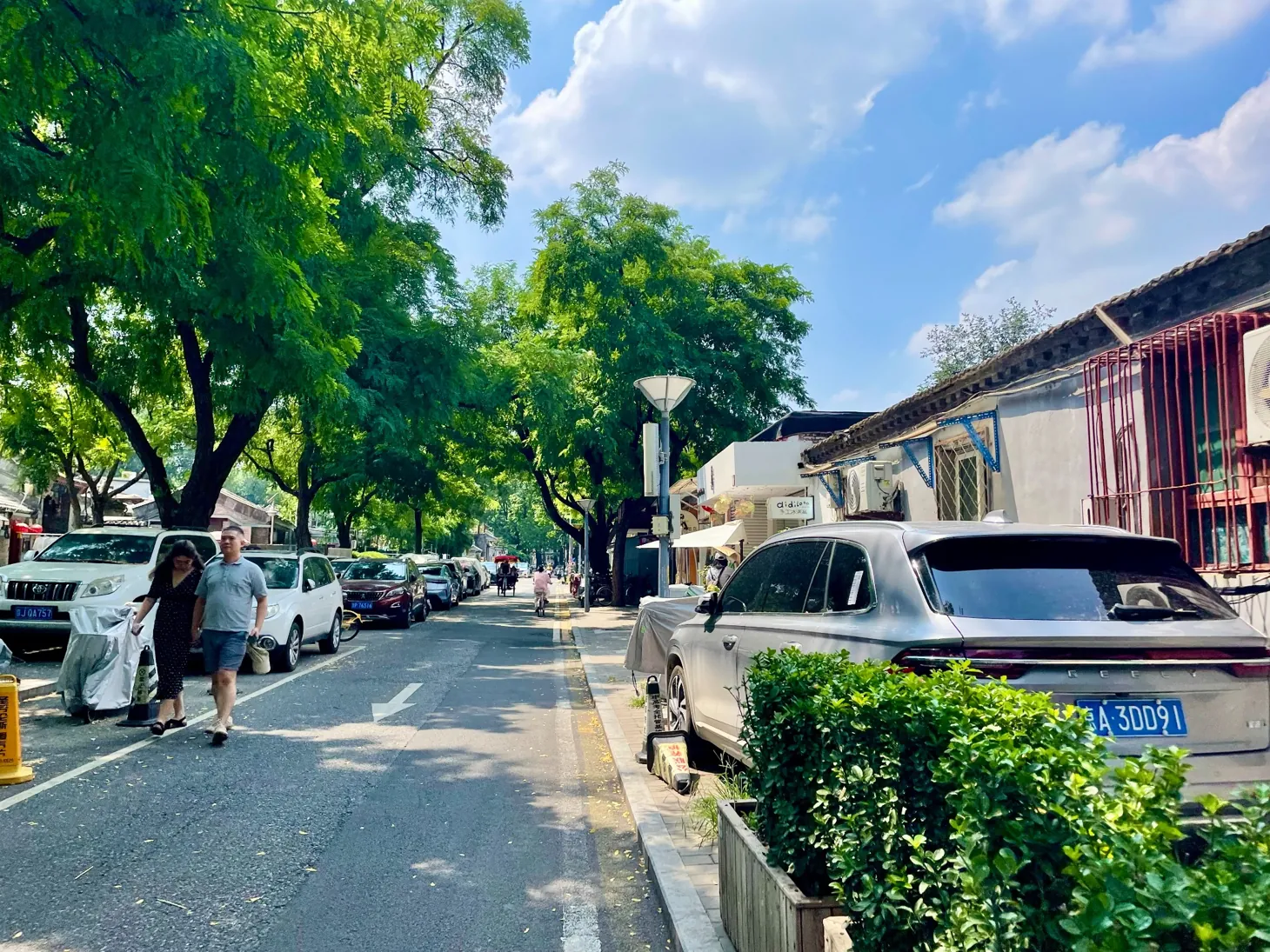
Beyond the lakes and major landmarks lies one of Shichahai's greatest attractions: its network of historic hutongs.
These narrow streets and lanes connect residential courtyards, small businesses, temples, and former aristocratic residences.
Unlike the grand avenues around Tiananmen Square, the hutongs reveal a more intimate scale of urban life.
 Click to enlarge
What Is a Hutong?
A hutong (胡同) is a traditional lane or alley, especially associated with northern Chinese cities.
In Beijing, hutongs commonly run between courtyard compounds known as *siheyuan* (四合院).
These compounds typically organize rooms around an enclosed central courtyard.
The arrangement reflects long-established patterns of family life, privacy, and residential architecture.
A Neighborhood of Different Social Worlds
Historically, the Shichahai area accommodated people from different social backgrounds.
Princes and high-ranking officials occupied large residences, while merchants, artisans, and ordinary families lived in smaller courtyard compounds.
This mixture created a diverse urban landscape.
Some lanes were associated with prominent families or institutions, while others supported everyday neighborhood commerce.
Walking Through the Hutongs
The best way to experience the hutongs is slowly and respectfully.
Look for traditional gateways, decorative brickwork, stone door elements, courtyard entrances, and the changing proportions of the lanes.
Many buildings remain private residences.
Avoid entering courtyards without permission and be considerate when photographing residents or homes.
8. Former Residences and Cultural Heritage Around Shichahai
Shichahai's historic significance extends beyond its imperial mansions and temples.
The neighborhood is also associated with important figures in modern Chinese history.
Former Residence of Soong Ching Ling
On the northern shore of Houhai is the Former Residence of Soong Ching Ling (宋庆龄故居).
Soong Ching Ling was an influential political and public figure in twentieth-century China and the widow of Sun Yat-sen.
The residence occupies a historic garden compound with connections to earlier imperial-era estates.
Today, it functions as a museum presenting aspects of her life and work.
Its gardens, courtyards, and traditional architecture provide another perspective on the area's history.
Former Residence of Guo Moruo
Near Qianhai is the Former Residence of Guo Moruo (郭沫若故居).
Guo Moruo was a prominent twentieth-century writer, historian, and cultural figure.
The residence offers insight into the intellectual and cultural history of modern Beijing.
Together, these former residences illustrate how Shichahai continued to attract influential residents long after the end of imperial rule.
9. Temples and the Meaning of Shichahai
The name Shichahai is commonly explained as referring to ten temples associated with the area.
The Chinese character *cha* (刹) can refer to a Buddhist temple.
Although the historical identification and survival of individual temples are more complicated than the name might suggest, religious institutions were an important part of the district's development.
Guangji and Guanghua Temples
The wider Shichahai area contains several important Buddhist sites.
Guanghua Temple (广化寺), located near the northern side of Houhai, is particularly relevant to the neighborhood's religious history.
Its traditional halls and courtyards represent another architectural layer within the lakeside district.
The temple continues to serve a religious function, and access may vary according to religious activities and current visitor arrangements.
Temples in Everyday Urban Life
Historically, temples were more than places of worship.
They could also serve as gathering places, cultural institutions, and centers of neighborhood activity.
Their presence helped shape the social and spatial organization of old Beijing.
In Shichahai, the relationship between temples, residential streets, and lakeside landscapes remains an important part of the district's historical character.
10. Shichahai Through the Seasons
One of Shichahai's distinctive qualities is how dramatically the landscape changes throughout the year.
Spring: Blossoms and Willow Trees
Spring brings fresh greenery to the lakeside.
Willow branches begin to frame the water, and the surrounding streets become increasingly pleasant for walking.
This is an excellent season for exploring the hutongs and historic buildings.
Summer: Lakeside Life
Summer is one of Shichahai's liveliest seasons.
The waterfront attracts walkers, diners, and visitors enjoying the evening atmosphere.
Boating activities may operate on the lakes, subject to seasonal conditions and local arrangements.
Autumn: Golden Light and Quiet Streets
Autumn offers comfortable temperatures and attractive colors.
Trees around the lakes gradually turn yellow and gold, while the lower afternoon sun creates warm reflections on the water.
For photographers, this is one of the most rewarding times to visit.
Winter: A Traditional Beijing Ice Scene
During sufficiently cold winters, parts of Shichahai may freeze and support seasonal ice activities.
The district has a long association with winter recreation.
When officially opened and conditions permit, designated ice areas may offer skating or traditional ice-chair activities.
Ice access depends on weather, safety inspections, and local operating decisions. Visitors should use only officially managed areas.
11. Food, Teahouses, and Lakeside Dining
Shichahai offers a mixture of traditional Beijing food, contemporary cafés, restaurants, and waterfront dining.
Traditional Beijing Cuisine
Restaurants in and around the district serve dishes such as Peking duck, zhajiangmian, and Beijing-style mutton hotpot.
Traditional snacks and pastries can also be found in the surrounding commercial streets.
Lakeside Restaurants and Cafés
The shores of Qianhai and Houhai have numerous dining establishments.
Some offer views across the water, making them particularly attractive during the evening.
Prices and atmosphere vary considerably between quieter neighborhood establishments and the busiest waterfront locations.
A Changing Food Culture
Like many historic districts, Shichahai has experienced significant commercial change.
Traditional businesses now coexist with modern cafés, bars, and restaurants catering to visitors.
This mixture reflects the continuing evolution of the neighborhood.
12. A Self-Guided Shichahai Walking Route
Suggested duration: 3–4 hours Walking style: Relaxed lakeside and historical exploration Starting point: Drum Tower Finishing point: Houhai or Xihai
Stop 1 — Drum and Bell Towers
*30–45 minutes*
Begin at the historic Drum and Bell Towers.
Learn about Beijing's traditional timekeeping system and explore the surrounding hutong streets.
Stop 2 — Yandai Xiejie
*20–30 minutes*
Walk west toward Yandai Xiejie.
Explore its traditional-style storefronts and historic commercial character.
Stop 3 — Silver Ingot Bridge
*15–20 minutes*
Continue to Silver Ingot Bridge, where Qianhai and Houhai meet.
Pause to appreciate one of the district's classic views.
Stop 4 — Houhai Lakeside Walk
*45–60 minutes*
Follow the waterfront around Houhai.
Observe the changing architecture, willow-lined banks, courtyard entrances, and neighborhood activity.
Stop 5 — Historic Hutongs
*30–45 minutes*
Explore selected lanes away from the busiest waterfront.
Look for traditional courtyard architecture and the quieter residential character of old Beijing.
Stop 6 — Xihai or a Lakeside Break
*30–45 minutes*
Continue toward Xihai for a quieter landscape, or finish with tea or a meal near Houhai.
The route can be shortened or extended depending on your interests.
13. Combining Shichahai With Other Beijing Attractions
Shichahai and Nanluoguxiang
Nanluoguxiang (南锣鼓巷) is one of Beijing's best-known historic hutong streets.
Combining it with Shichahai creates a route linking traditional residential neighborhoods, commercial streets, and lakeside scenery.
Shichahai and Jingshan Park
Jingshan Park lies south of Shichahai and offers panoramic views over the Forbidden City and central Beijing.
The combination provides a contrast between the monumental imperial city and the intimate hutong neighborhoods around the lakes.
Shichahai and the Forbidden City
The Forbidden City and Shichahai represent different aspects of imperial Beijing.
The Forbidden City illustrates the ceremonial and administrative center of imperial power, while Shichahai reveals the surrounding residential, commercial, and recreational landscape.
Shichahai and Prince Gong's Mansion
Prince Gong's Mansion is one of the most natural additions to a Shichahai itinerary.
The mansion's grand architecture and landscaped gardens provide a deeper understanding of Qing-dynasty aristocratic life.
14. Practical Information for Visitors
Where Is Shichahai?
Shichahai is located in Xicheng District, northwest of the Forbidden City.
The district includes Qianhai, Houhai, Xihai, and the surrounding historic neighborhoods.
How Do You Get There?
Shichahai Station on Beijing Subway Line 8 is convenient for the eastern side of the district, including Yandai Xiejie and the Drum Tower.
Beihai North Station on Line 6 provides access to the southern side of the wider Shichahai area.
Taxis and private vehicles can reach nearby roads, although many historic lanes are narrow or restricted to pedestrians and local traffic.
Is Shichahai Free to Visit?
The public lakeside paths and hutong streets are generally free to explore.
Individual attractions, museums, historic residences, and seasonal recreational activities may charge admission.
How Long Should You Spend?
Allow two hours for a short walk around Qianhai and part of Houhai.
Three to four hours is more suitable for a relaxed exploration including Yandai Xiejie, Silver Ingot Bridge, and nearby hutongs.
A half-day or full-day visit can include Prince Gong's Mansion and the Drum and Bell Towers.
When Is the Best Time to Visit?
Spring and autumn are particularly comfortable for walking.
Summer evenings are lively, while winter offers a distinctive atmosphere when the lakes freeze.
For quieter photography, early morning is often preferable.
Is Shichahai Suitable for Families?
Yes. The lakeside paths, historic streets, and open views make Shichahai suitable for family outings.
However, some lanes are narrow, busy, or uneven, and waterfront areas require appropriate supervision of young children.
Can You Take a Boat on the Lakes?
Seasonal boating may be available on designated sections of the lakes.
Availability depends on operating schedules, weather, and local regulations.
15. Why Shichahai Matters
Shichahai reveals a side of Beijing that cannot be fully understood through its imperial monuments alone.
Its lakes recall the transportation networks that helped supply the Yuan capital.
Its temples reflect the religious and social institutions of traditional urban life.
Its princely mansions reveal the wealth and hierarchy of Qing-dynasty society.
Its hutongs preserve the intimate scale of residential Beijing.
And its modern restaurants, cafés, and public spaces demonstrate how historic neighborhoods continue to evolve.
Unlike a museum or a single monumental attraction, Shichahai is a living urban landscape.
Its history is visible not only in individual buildings but also in the relationship between water, streets, residences, commerce, and everyday life.
That continuity makes Shichahai one of the most rewarding places to understand the character of old Beijing.
16. Explore Shichahai With DragonTrail
DragonTrail offers private transportation and customized sightseeing arrangements throughout Beijing.
For visitors interested in Shichahai, we can help create a cultural itinerary combining the lakes, traditional hutongs, Prince Gong's Mansion, Yandai Xiejie, and the Drum and Bell Towers.
The area can also be incorporated into a broader Beijing journey covering the Forbidden City, Jingshan Park, Nanluoguxiang, and other historic neighborhoods.
Suggested experience: Shichahai Lakes & Historic Beijing Hutongs
Duration: Half day or full day Transport: Private vehicle with driver Optional: English-speaking guide, subject to availability Pickup: Beijing hotels or agreed city locations
Contact DragonTrail to arrange a customized Beijing cultural itinerary.
Frequently Asked Questions
- Shichahai is famous for its three interconnected lakes, traditional hutong neighborhoods, historic mansions, temples, stone bridges, and lakeside scenery.
- The three lakes are Qianhai (Front Lake), Houhai (Back Lake), and Xihai (West Lake).
- No. Houhai is one of the three lakes that make up Shichahai. The wider district also includes Qianhai, Xihai, and surrounding historic neighborhoods.
- Yes. The public lakeside paths and hutong streets are generally free. Individual museums, historic buildings, and recreational activities may charge admission.
- Allow approximately three to four hours for a relaxed walking tour. A half-day or longer visit can include Prince Gong's Mansion and the Drum and Bell Towers.
- Yes. The waterfront around Qianhai and Houhai becomes particularly lively in the evening, with illuminated restaurants, cafés, and bars.
- Seasonal boating may be available on designated lake areas. Operating schedules vary according to weather and local arrangements.
- During sufficiently cold winters, officially designated ice areas may open for skating and traditional ice-chair activities. Availability depends on ice conditions and safety approval.
- A popular route begins at the Drum Tower, continues through Yandai Xiejie and Silver Ingot Bridge, and follows the shores of Houhai through the surrounding historic hutongs.
- Yes. Shichahai lies northwest of the Forbidden City and can be combined with Jingshan Park or other central Beijing attractions as part of a full-day itinerary.