- Autumn (Sep-Nov): Often cited as the best window for clearer skies and comfortable temperatures
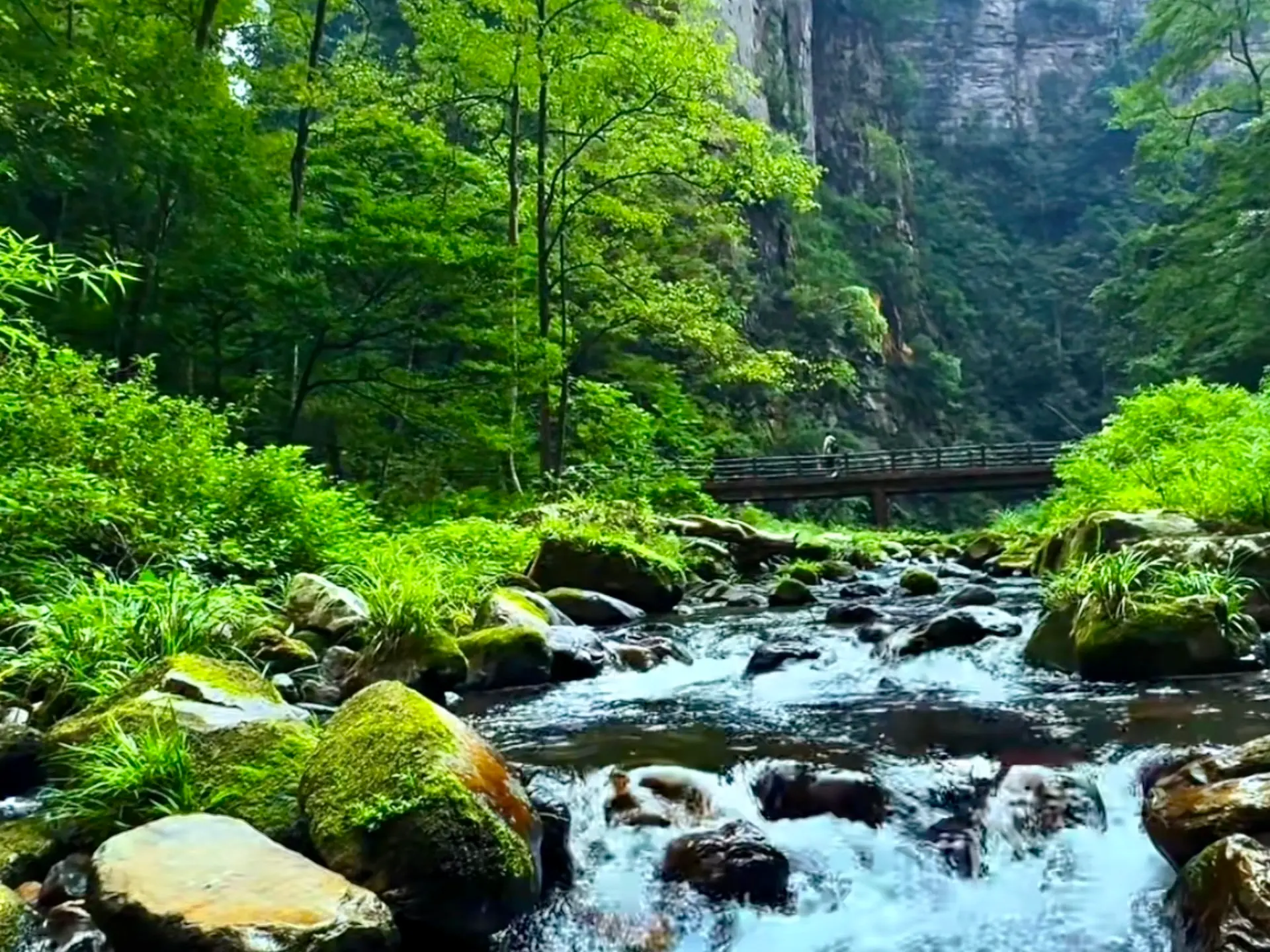
- Spring (Mar-May): Mild and green, with mist still common
- Summer (Jun-Aug): Hot and humid with more rainfall; lush scenery but hazier air
- Winter (Dec-Feb): Cold, occasional frost or light snow at higher elevations, fewer crowds, and a higher chance of weather-related cableway or walkway closures
- Crowds: Chinese public holidays such as May Day and National Day see the heaviest crowds of the year across all three main areas
How to choose your dates
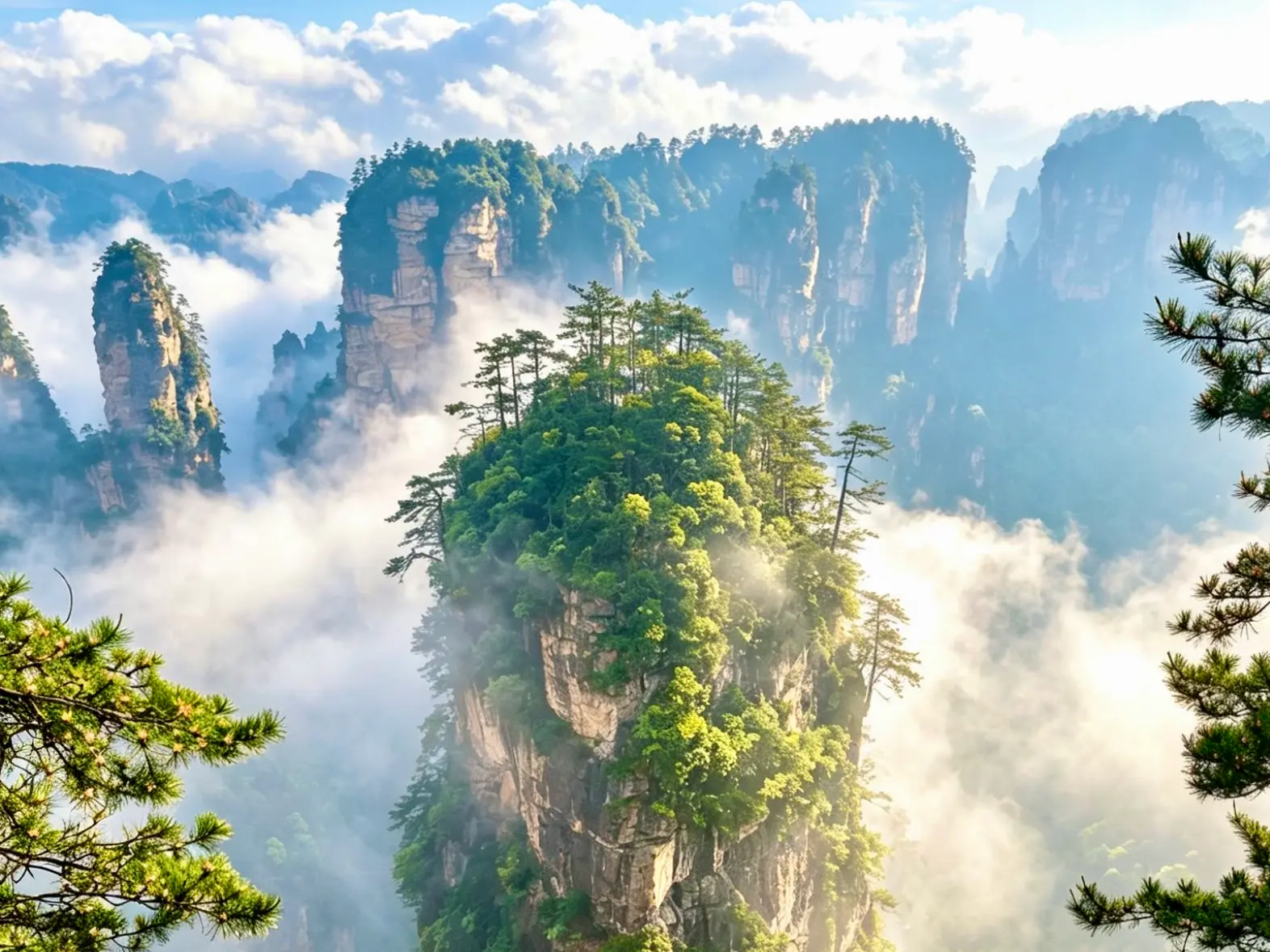
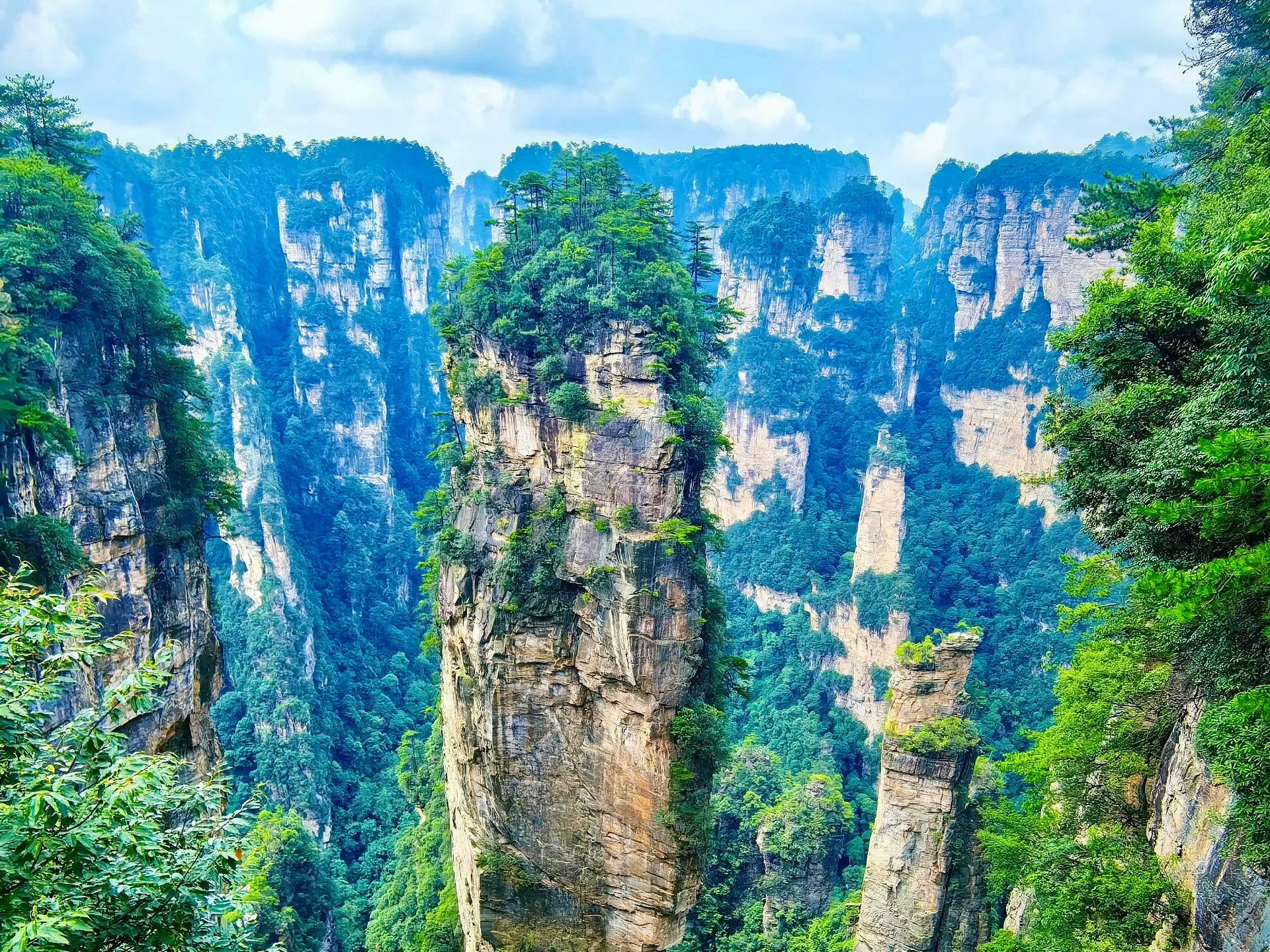
If clear views matter most to you, aim for autumn and avoid major Chinese public holidays. If you're more flexible, spring and even a misty day can be rewarding in a different way — Zhangjiajie's "sea of clouds" phenomenon, when mist settles below the peaks after rain, is one of the area's most-photographed conditions and isn't something clear weather always delivers.
- Build your dates into a day-by-day plan
- See what's actually in each area before you commit to dates
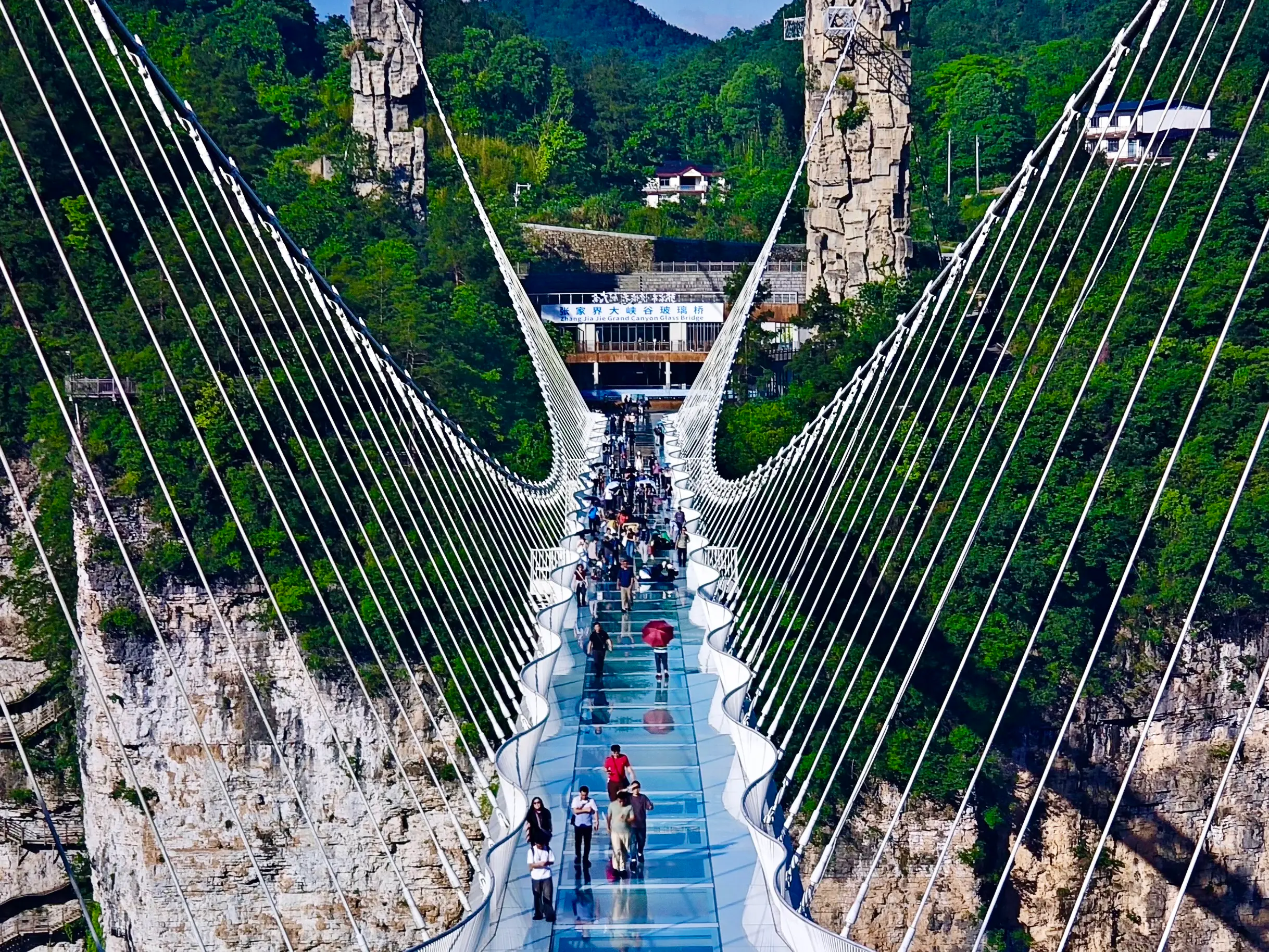
- Confirm current cableway and glass-walkway operating status for your travel dates before finalizing plans — winter weather in particular can affect access.
Zhangjiajie's seasons compared
No season guarantees clear views on a specific day — mist and low cloud can appear year-round. Build a flexible day or two into longer stays if clear pillar views are a priority.
| Season | Weather | Consider |
|---|---|---|
| Spring (Mar-May) | Mild temperatures, green foliage, occasional mist | A comfortable middle ground between winter cold and summer heat |
| Summer (Jun-Aug) | Hot, humid, higher rainfall | Lush scenery but hazier air and a higher chance of rain disrupting a single-day plan |
| Autumn (Sep-Nov) | Comfortable temperatures, often clearer skies | Commonly recommended as the best overall window |
| Winter (Dec-Feb) | Cold, occasional frost or light snow at elevation, fewer crowds | Check for weather-related cableway or walkway closures before you go |
Common timing mistakes
Assuming clear mountain views are guaranteed any day
Mist and low cloud can appear in any season, including autumn. Build flexibility into a multi-day stay if a specific clear-day photo is your goal.
Visiting during major domestic holidays without expecting crowds
Chinese public holidays such as May Day and National Day bring the heaviest crowds of the year to all three main areas, with longer queues at cableways and elevators.
Underestimating winter cold at elevation
Summit and cliffside areas can be significantly colder and windier than the city below. Pack layers even if the forecast in town looks mild.
Not having a backup plan for weather-related closures
Cableways, elevators and glass walkways can pause operation in high wind, heavy rain, fog or ice. A single fixed-day plan with no flexibility is the most common source of disappointment.
Best time to visit Zhangjiajie FAQ
- Autumn months (roughly September to November) are commonly recommended for a better chance of clear skies and comfortable temperatures, though no month guarantees clear views.
- Yes, for travelers comfortable with cold weather and smaller crowds, though confirm current cableway and walkway operating status for your dates — winter weather can cause temporary closures.
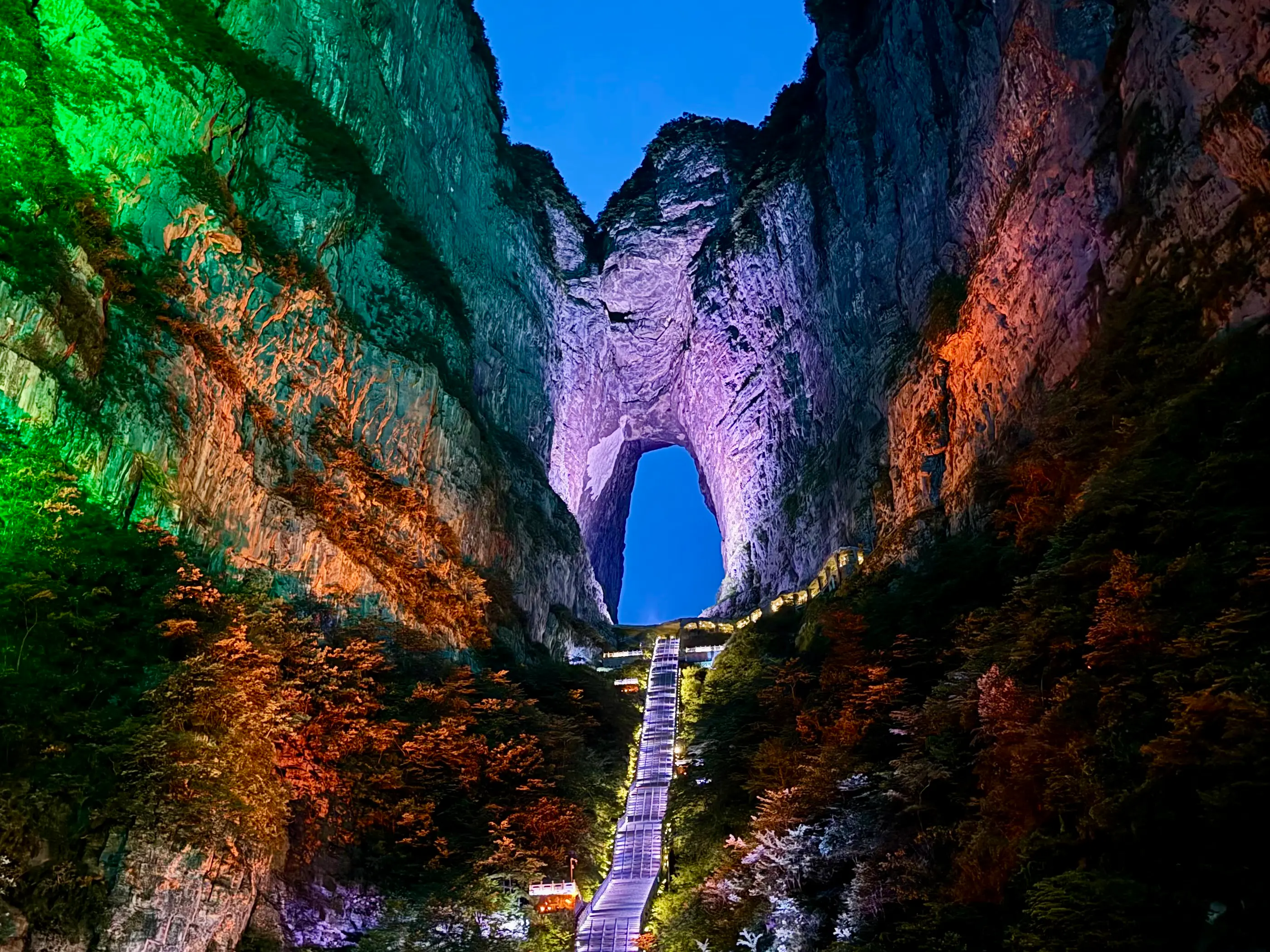
- Chinese public holidays such as May Day and National Day bring the heaviest crowds of the year across the National Forest Park, Tianmen Mountain and the Grand Canyon.
- It refers to mist settling below the peaks, often after rain, so that the pillar tops appear to float above a layer of cloud. It's one of the area's most-photographed conditions and isn't guaranteed on any specific day.
- Rain is more common in spring and summer and can reduce visibility, though it also contributes to the mist effects some photographers specifically seek. Cliffside walkways and cableways can also pause operation in heavy rain.
Plan a Zhangjiajie visit
Tell us your travel window and we'll flag which areas and activities make the most sense for your dates.
Ask about timing your visitBook the National Forest Park tour