- Distance: About 129 km from central Chongqing in current municipal tourism orientation; actual travel time depends strongly on transport mode
- UNESCO: Wulong is one component of the serial South China Karst World Heritage property
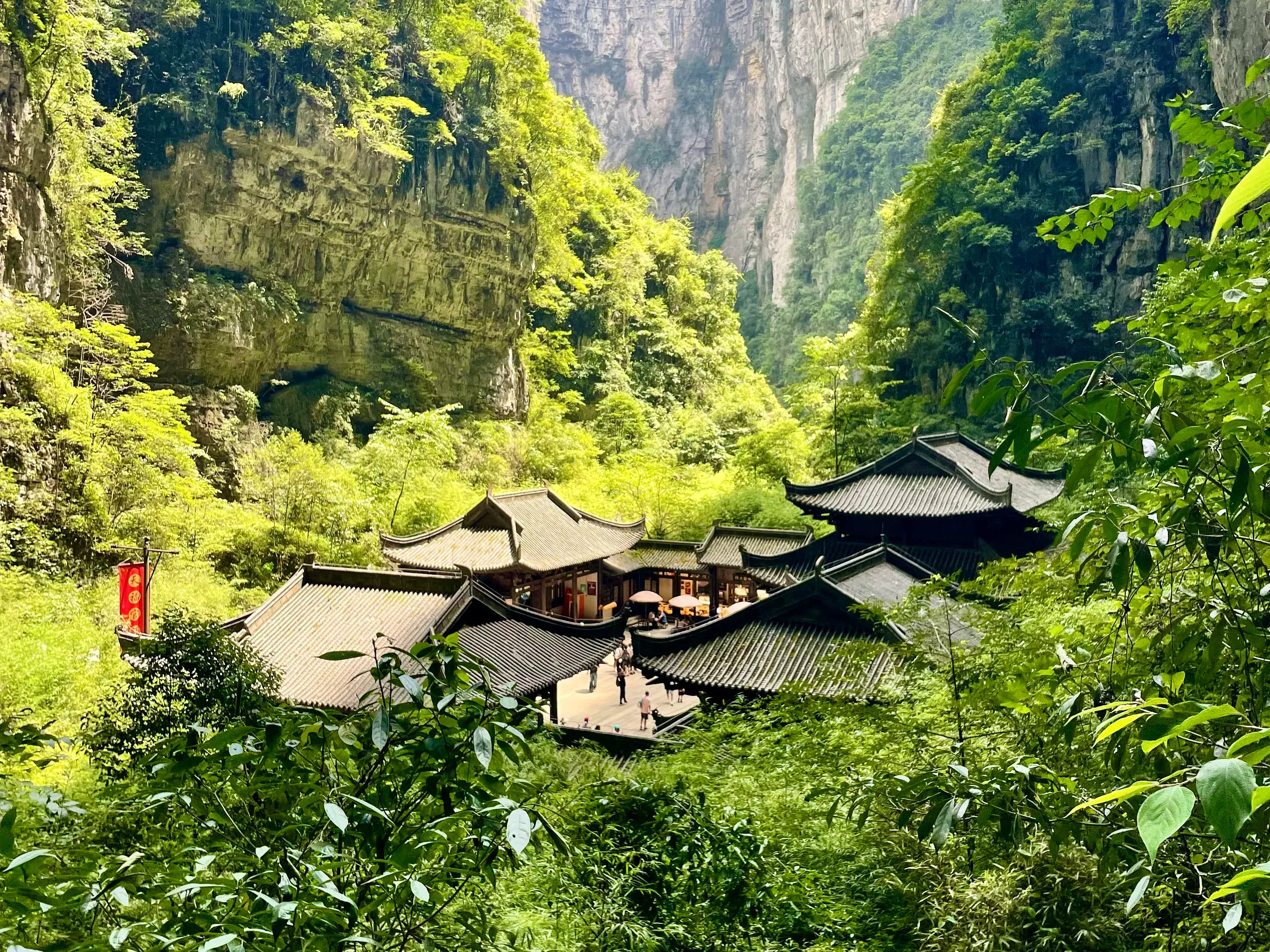
- UNESCO core areas in Wulong: Qingkou/Houping giant doline, Three Natural Bridges, Furong Cave
- First-time priority: Three Natural Bridges for many one-day visitors
- Other major Wulong tourism attractions: Fairy Mountain, Longshuixia Fissure Gorge and related scenic areas — check current tickets and transfers separately
- Transport: High-speed rail via Chongqing East to Wulong South is now an important option, alongside private vehicle; scenic-area transfers are still required after the rail journey
Which Wulong combinations fit in one day?
High-speed rail and private vehicle can both work. Rail can reduce the intercity leg, but it does not remove the scenic-area transfer problem, so compare total door-to-door time rather than train duration alone.
| Focus | Fits a day trip? | Notes |
|---|---|---|
| Three Natural Bridges focus | Usually yes | Most realistic first-time priority from Chongqing |
| Bridges + one extra site | Sometimes | Depends on transfers, tickets and seasonal hours — verify currently |
| Bridges + Fairy Mountain + Furong Cave | Usually too much | Do not assume a single-ticket mega-combo without current verification |
| Overnight in Wulong | Optional | Useful if you want a slower pace or multiple components |
Wulong Karst FAQ
- Wulong is roughly 129 km from central Chongqing in municipal tourism orientation, but distance alone is no longer the best planning measure. High-speed trains from Chongqing East can reach Wulong South in well under an hour on some services; you still need onward transport from the station to the scenic areas.
- Usually the Three Natural Bridges; add other components only if time and tickets clearly allow.
- Yes. Wulong is one component of the serial South China Karst World Heritage property. In Wulong, UNESCO identifies the Qingkou/Houping giant-doline area, Three Natural Bridges and Furong Cave. Fairy Mountain is a major Wulong tourism attraction but is not one of those three named UNESCO core areas.
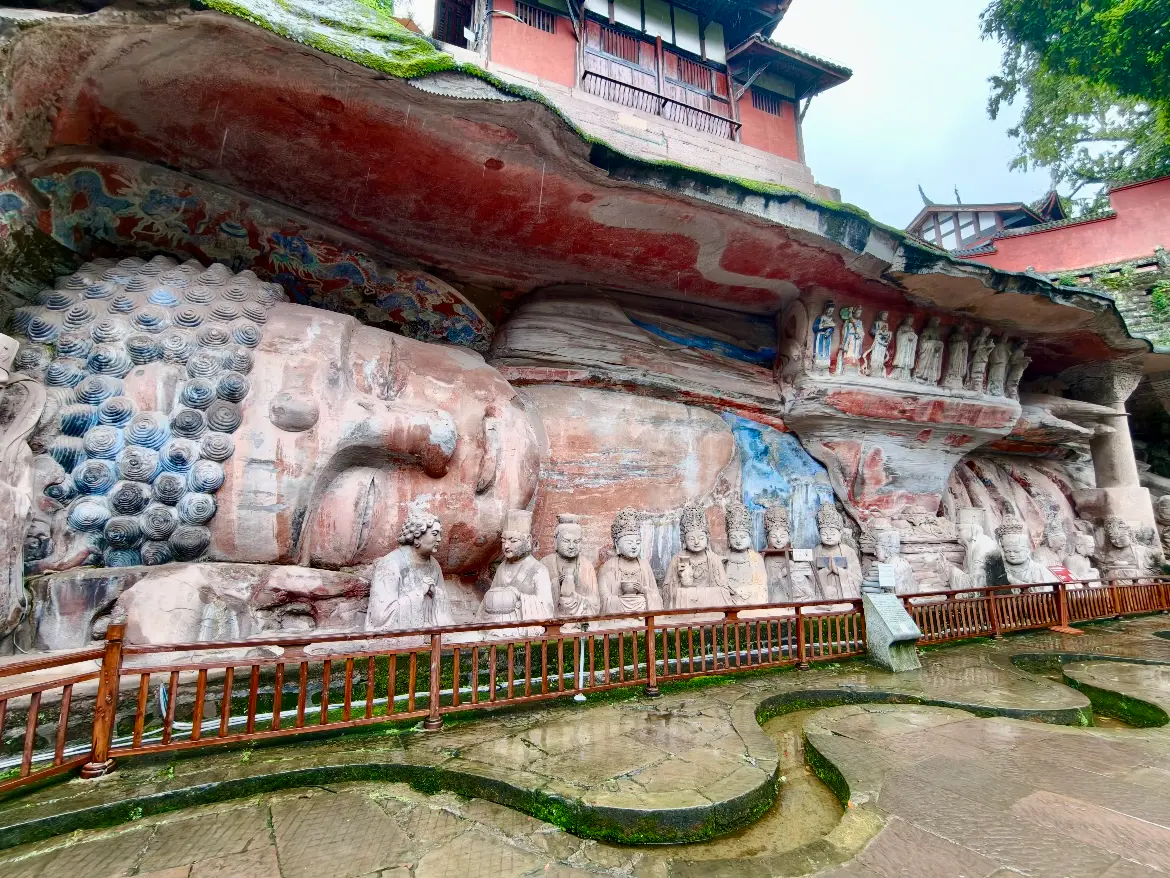
- Choose Wulong for karst landscapes, natural bridges and outdoor scenery; choose Dazu for rock-carving art, Buddhist/Taoist/Confucian heritage and interpretation. Both normally work best as dedicated regional days. Compare them in the Chongqing itinerary guide.
Plan a Chongqing visit
A private day tour coordinates hotel pickup, timing and site focus so you are not guessing shuttle connections.