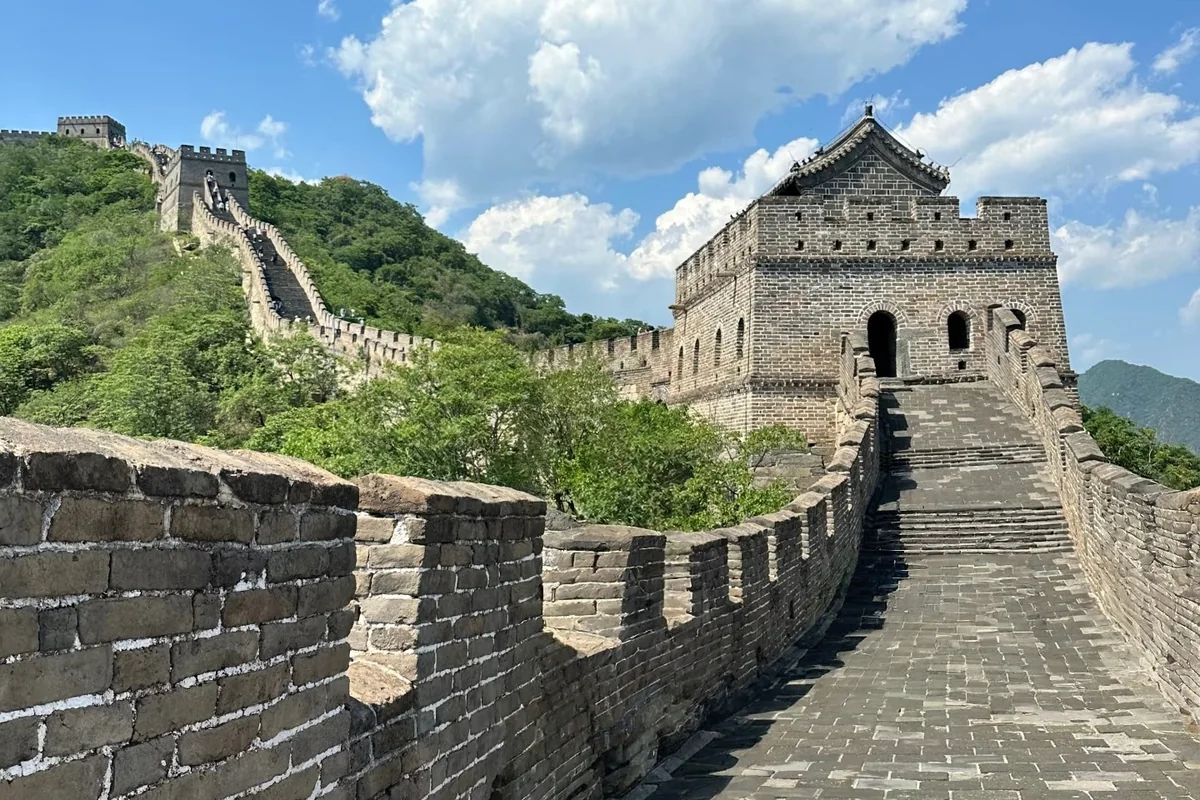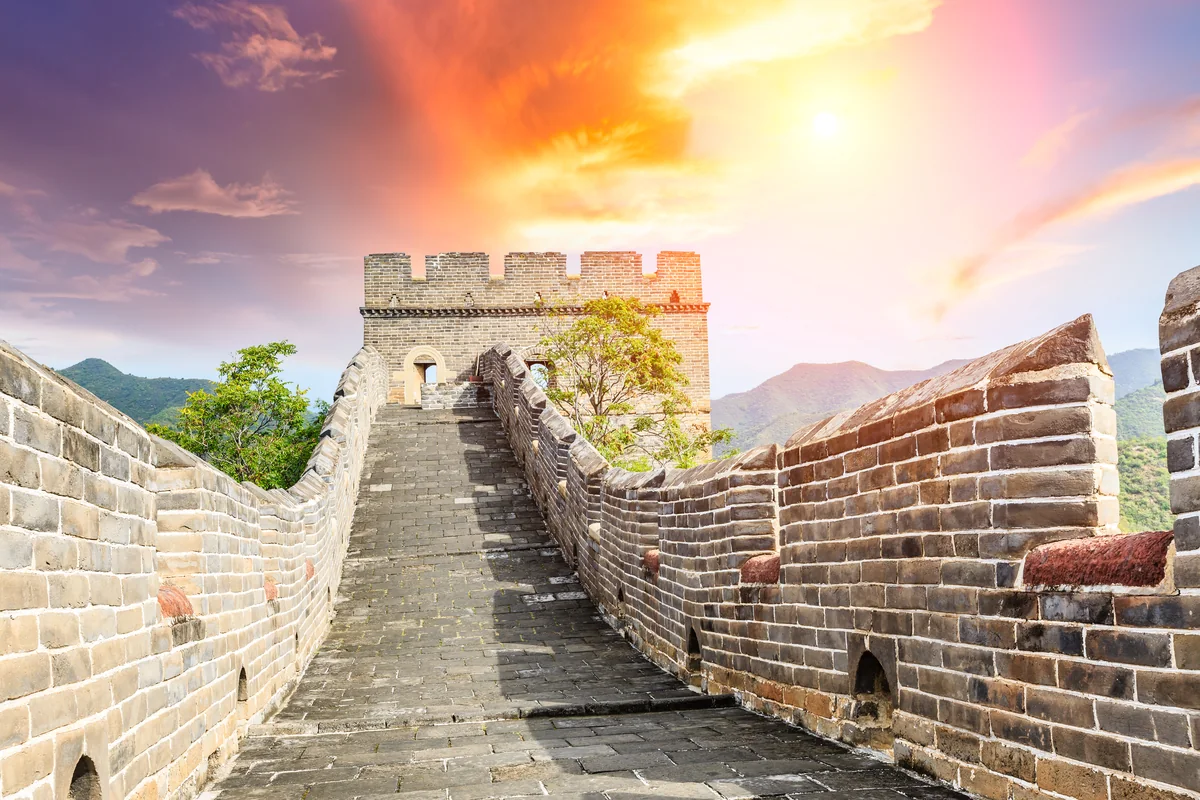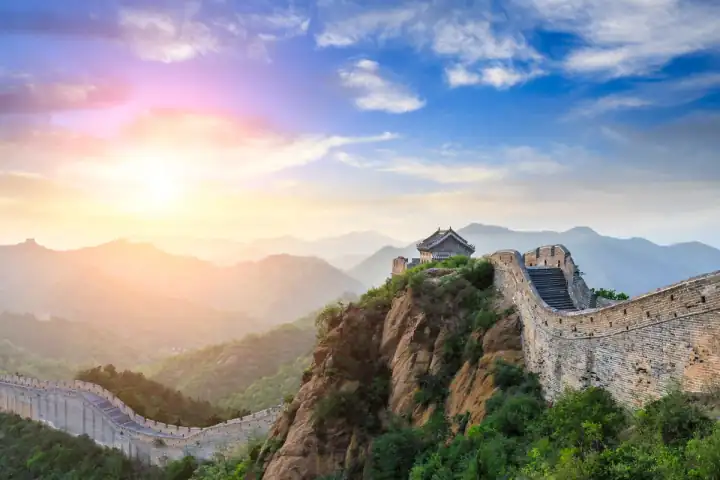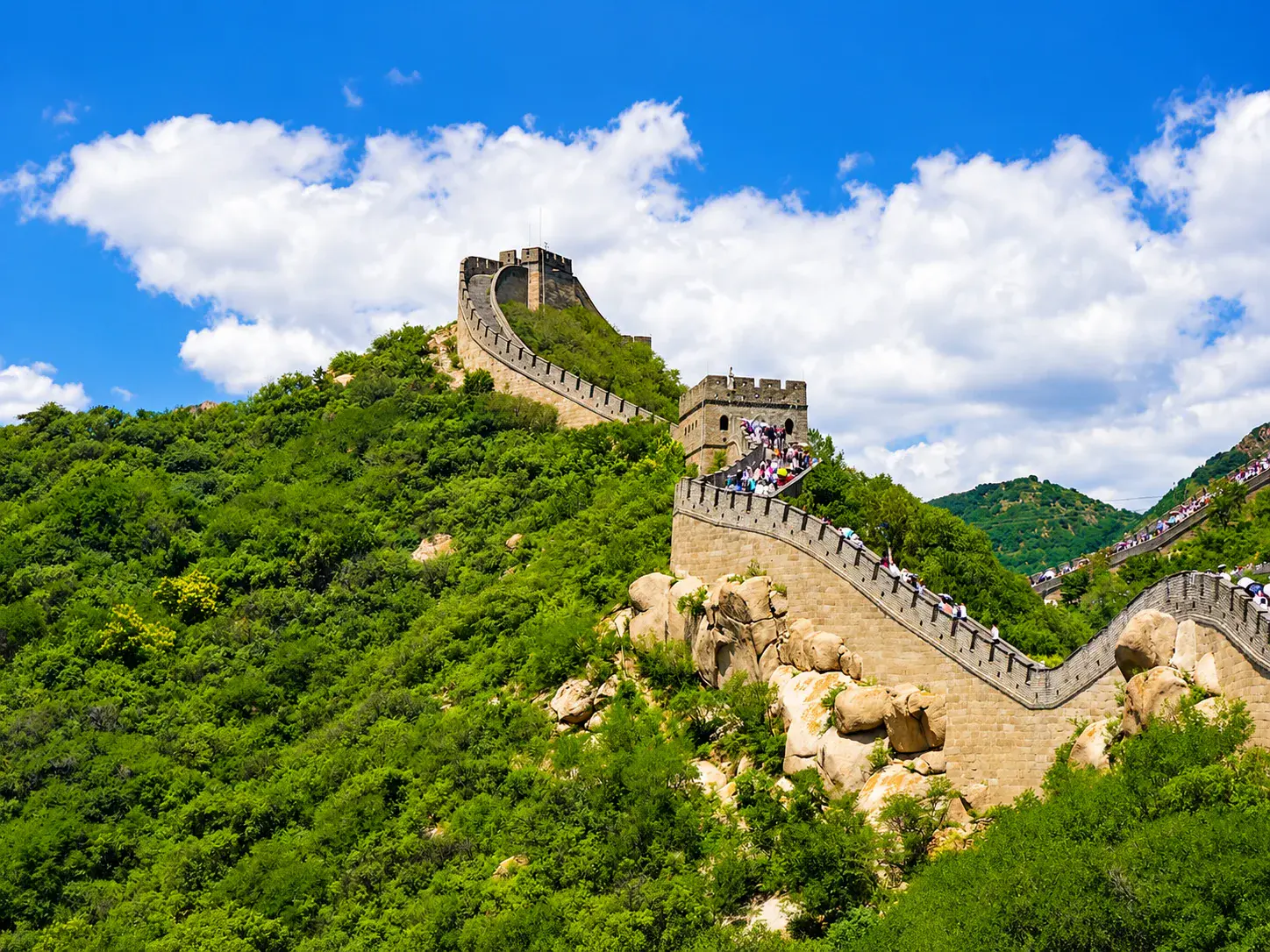
- From central Beijing: Often about 1 to 2 hours each way from central Beijing by car depending on start point and traffic, among the shorter wall runs from the city
- Typical visit style: Half-day or full-day from Beijing; on-wall time often about 2 to 3 hours when lines cooperate
- Difficulty: Moderate for most visitors; stairs and some steep segments; uplifts can reduce climbing when open and queued
- Crowds: Often very high, especially weekends and Chinese public holidays; expect lines at entry and popular uplifts
- Best for: Travelers who want the iconic “I went to Badaling” story; Visitors prioritizing shorter drive time from much of Beijing; Groups that understand crowd tradeoffs up front; Winter region trips that pair Yanqing direction with other plans
- Less ideal for: Travelers who hate queues and want calm restored scenery, Mutianyu is often a better match; Hiking-first visitors who want long wild ridges, see Jinshanling or Gubeikou with appropriate fitness
Badaling Great Wall map
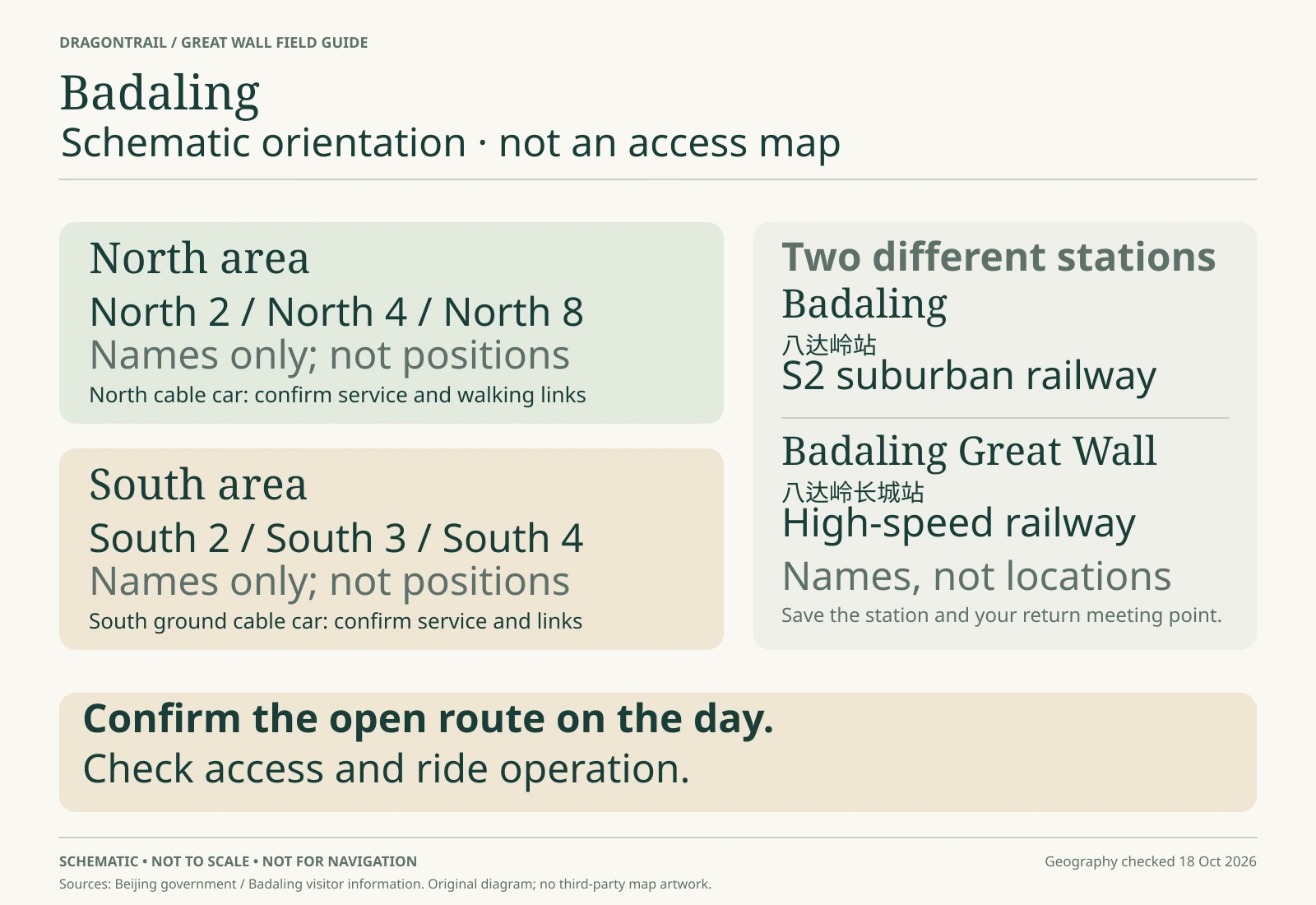 Click to enlarge
Is Badaling right for you?
Choose Badaling if you want:
- the most famous wall name and you accept density
- relatively shorter access from much of Beijing compared with farther sections
- a restored, visitor-managed site with clear infrastructure
- to travel with elderly or mobility needs that fit the site’s uplift and path options after you confirm details
It may not be the best fit if you want:
- quiet photos and uncrowded ridges as the top priority
- a hiking-led wilderness day, wrong section
- layover-tight timing without buffer, use layover guides
If calm restored scenery matters more than the headline name, Mutianyu is the usual alternative. If long ridge hiking matters more than fame, compare Jinshanling next.
Ways to structure a Badaling visit
Badaling rewards plans that name arrival time, ticket flow, and how you will react if lines are longer than expected. The wall is similar for everyone; the difference is execution under crowd pressure.
Option A: Early start, standard visitor flow
- On-wall time
- about 2 to 3 hours when queues stay reasonable
- Effort
- Moderate
- Best for
- Visitors who can commit to an early departure; First-time Badaling visitors who want the classic experience; Groups willing to move efficiently through entry and uplift lines
This is the honest default: you fight crowds with timing, not with magic. Early arrival, clear ticket products, and a simple on-wall plan beat wandering without a stop rule when the site gets thick.
Why choose it
- best chance of acceptable density for the famous site
- straightforward story for many tour-style itineraries
Not ideal for
- travelers who cannot wake early and still expect thin crowds on peak holidays
- visitors who panic in dense queues without an exit plan
Option B: Private driver or tour with buffer and flexible exit
- On-wall time
- flexible, often 2 to 3 hours if lines allow
- Effort
- Moderate
- Best for
- Families who want car comfort and predictable pickup; Travelers who want permission to shorten the visit if morale crashes in lines; First-time China visitors who prefer fewer public-transit variables
Private transport does not delete crowds on the wall, but it deletes a layer of friction before and after. It also makes it easier to leave early if the site feels worse than your group’s tolerance without negotiating last-mile public legs while tired.
Why choose it
- cleaner timing control around a high-friction site
- easier abort or replan if the day turns purely stressful
Not ideal for
- budget-only trips where the car cost does not match value for you
- expectations that a driver removes on-wall density
Option C: Peak holiday visit, read the risk before you commit
- On-wall time
- highly unpredictable; lines can dominate
- Effort
- Moderate mentally as well as physically
- Best for
- Travelers who have no date flexibility and still want the name on the passport story
Some trips land on Golden Week or similar whether you like it or not. If you still choose Badaling then, the plan should assume lines, slow movement, and shorter effective wall time. Otherwise you are setting the group up for resentment. Sometimes the better move is Mutianyu on the same calendar constraint, or accepting a shorter on-wall outcome.
Why choose it
- clarifies when patience or a different section is the real answer
Not ideal for
- travelers who equate peak holiday with failure if every photo is people-packed
- groups that cannot emotionally handle waiting
How to choose the right route
Choose based on how much crowd stress your group can absorb, not only on the postcard image.
- Choose the early standard flow when you can commit to arrival discipline and a simple on-wall plan.
- Choose private buffer when car comfort and flexible exit matter as much as the wall minutes.
- Choose Mutianyu instead when calm restored scenery matters more than the Badaling headline on the same trip window.
Many disappointing Badaling days come from expecting a quiet ridge and discovering a theme-park line instead. The section is famous for visibility, not for solitude.
Example day structure from Beijing
Badaling works as a half-day from Beijing when lines cooperate, or as a fuller day when you want buffer around peaks.
Focused half-day structure
- Early departure from Beijing when possible
- Arrival, tickets, and security flow
- About 2 to 3 hours on the wall if queues stay tolerable
- Return leg with buffer before evening plans
Half-day assumes you are not fighting the worst holiday peak. If your date is fixed and peak, add time or temper expectations.
Full-day structure
- Relaxed morning departure or deliberate late start with acceptance of thicker crowds
- Slow buffer through entry and uplifts
- On-wall time with rest breaks and realistic photo stops
- Return to Beijing without a panicked finish
Full-day pacing helps when you want the wall portion to feel less like a sprint between lines.
How we manage a Badaling day
Badaling is where queue psychology matters as much as stone steps. A guide-plus-driver setup helps when you want someone to keep the group moving, explain tradeoffs, and shorten the day if density crosses the group’s limit.
Pacing control
We pace Badaling assuming lines exist. That means clear meet points, realistic windows for entry, and breaks that do not pretend you have a private mountain. The goal is a coherent visit, not a checklist completed at any morale cost.
Route control
We choose on-wall depth based on crowd thickness and energy, not only on the longest possible walk. If uplift queues or heat suggest shrinking the plan, we shrink early while the group still has patience. North versus south access and ticket products should match mobility and ticket reality for the date, confirmed before arrival when possible.
Time buffer control
Return buffer still matters after a crowded site. Fatigue from waiting is fatigue from walking. We keep pickup timing honest so traffic back to Beijing does not erase whatever calm you earned on the wall.
Exit strategy
A good Badaling plan includes permission to leave: if lines are worse than tolerance, if a child melts down, or if heat and sun win. Exiting early with dignity beats forcing a miserable completion for the name alone.
Getting there from Beijing
Badaling is one of the easier Great Wall directions from much of Beijing, which is partly why it gets crowded. You still choose between public options and private transport based on patience and timing control.
Private driver or guided day
Complexity: Low
Best for: Families, first-time China travelers, or anyone who wants predictable pickup and an easier abort if crowds overwhelm the group
This does not remove on-wall density, but it smooths everything around the site: fewer last-mile surprises, clearer timing, and car comfort after standing in lines.
Public rail or bus combinations
Complexity: Medium to high
Best for: Budget-first travelers comfortable with schedules, walking from stations, and Mandarin or app navigation
This can work on calmer dates. On peak holidays, public legs plus Badaling queues stack frustration. Know your tolerance before you choose this path.
Large group tour bus products
Complexity: Variable
Best for: Travelers who accept fixed timing and herd pacing in exchange for price
Read what is included, when you arrive, and how much wall time remains after collective stops. Cheap seats sometimes buy the longest lines.
Badaling vs Mutianyu vs Jinshanling
A simple rule:
Badaling
Best when the famous name and relatively shorter access from much of Beijing matter most and you accept crowds. Iconic, restored, and busy.
Mutianyu
Best when you want restored wall and visitor services with a calmer mood on many comparable dates. Often the better first visit if queues ruin your joy.
Jinshanling
Best when hiking depth and ridge scale matter more than maximum fame. Longer drive and more physical demand than Badaling for most visitors.
- choose Badaling when fame and proximity win and crowds are acceptable
- choose Mutianyu when restored scenery and calmer pacing matter more
- choose Jinshanling when the hike itself is the priority
| Badaling | Mutianyu | Jinshanling | |
|---|---|---|---|
| Crowds | Often highest | Busy, often calmer than Badaling | Self-selecting hikers |
| Drive (typical) | Shorter from much of Beijing | Moderate north run | Longer hiking day |
| Best for | Fame seekers, proximity | First visits, families, uplifts | Hikers, ridge time |
Common mistakes at Badaling
Expecting solitude because the photos looked empty
Marketing ages poorly against Golden Week. If your heart needs quiet ridges, compare Mutianyu or farther sections before you commit.
Starting late on a peak date
Lines compound. Early arrival is one of the few crowd levers you still control.
Skipping water and sun prep
Queues are often outside. Heat and glare still happen on restored stone.
Confusing fame with comfort
Badaling is accessible, not automatically relaxing. Bring patience or choose a different section.
Tickets, weather & gear
Tickets / access: Ticket types, gates, and uplift products vary. Confirm what your date includes, which entrance matches your ticket, and ID requirements before you travel.
Weather: Mountain-adjacent sun and wind still apply. Layers help when wind hits exposed stairs.
What to bring
- comfortable shoes with grip for stone steps
- water, especially in heat and long lines
- sun protection for outdoor queues
- patience and a backup mental plan if density spikes
FAQ
- Badaling if the famous name and shorter typical access matter most and you accept crowds. Mutianyu if you want restored wall with a calmer feel on many dates. Choose with eyes open about queues.
- Fame, tour concentration, and relatively straightforward access from much of Beijing all funnel visitors here. Holidays can feel extreme. Timing and season help but do not erase the pattern.
- Public rail or bus works for flexible travelers. Private driver or a booked tour is often smoother for timing, tickets, and end-of-day energy. Pick based on budget and stress tolerance.
- Many people plan a half day with transport and about two to three hours on-site when lines behave. Peak days need more calendar margin. Full-day pacing adds buffer around queues.
Plan a Badaling visit
If you already know you want the Badaling name on your trip and you are honest about crowds, this section can still deliver a clear iconic story.
If you are still comparing sections, start here: