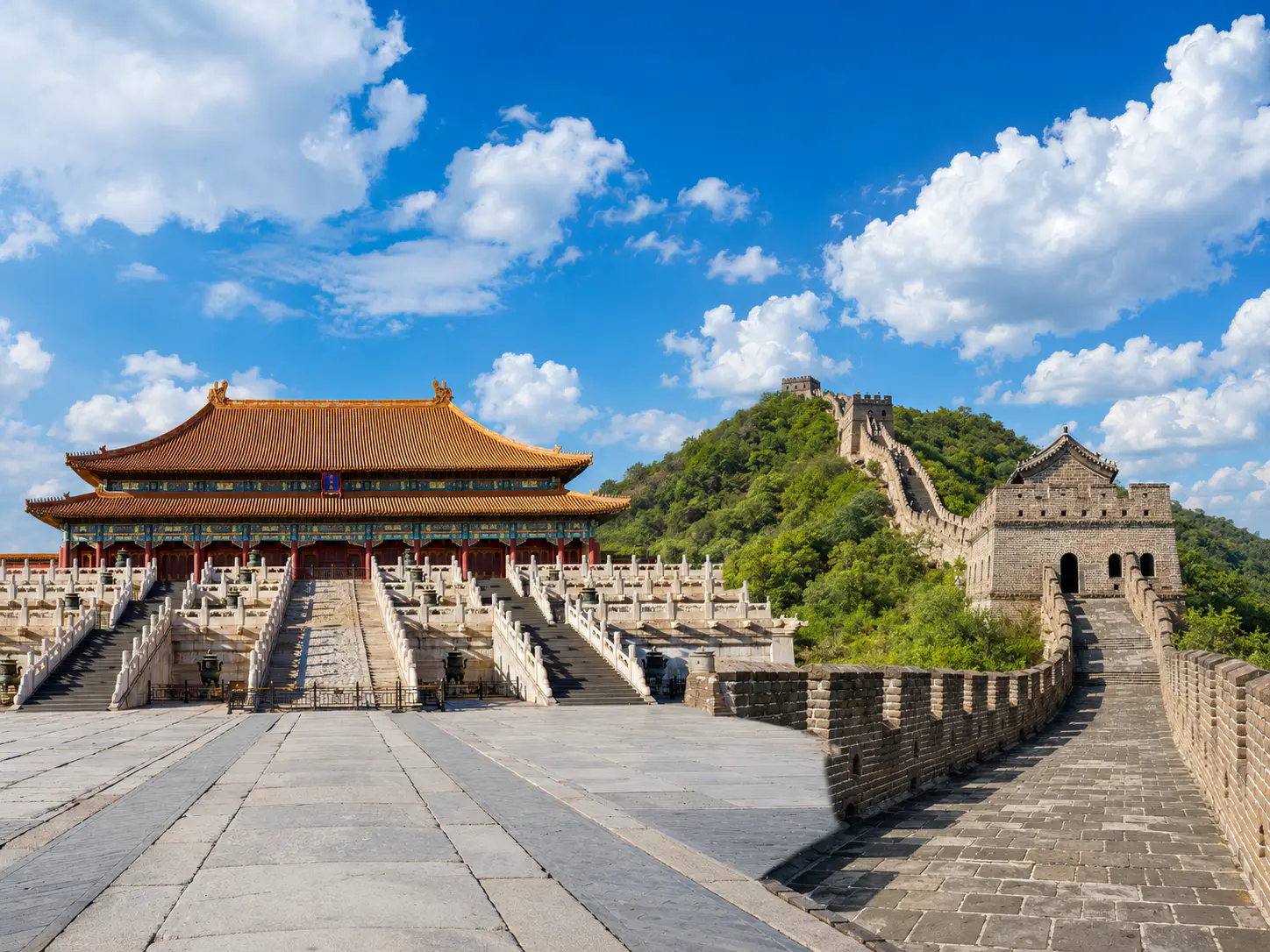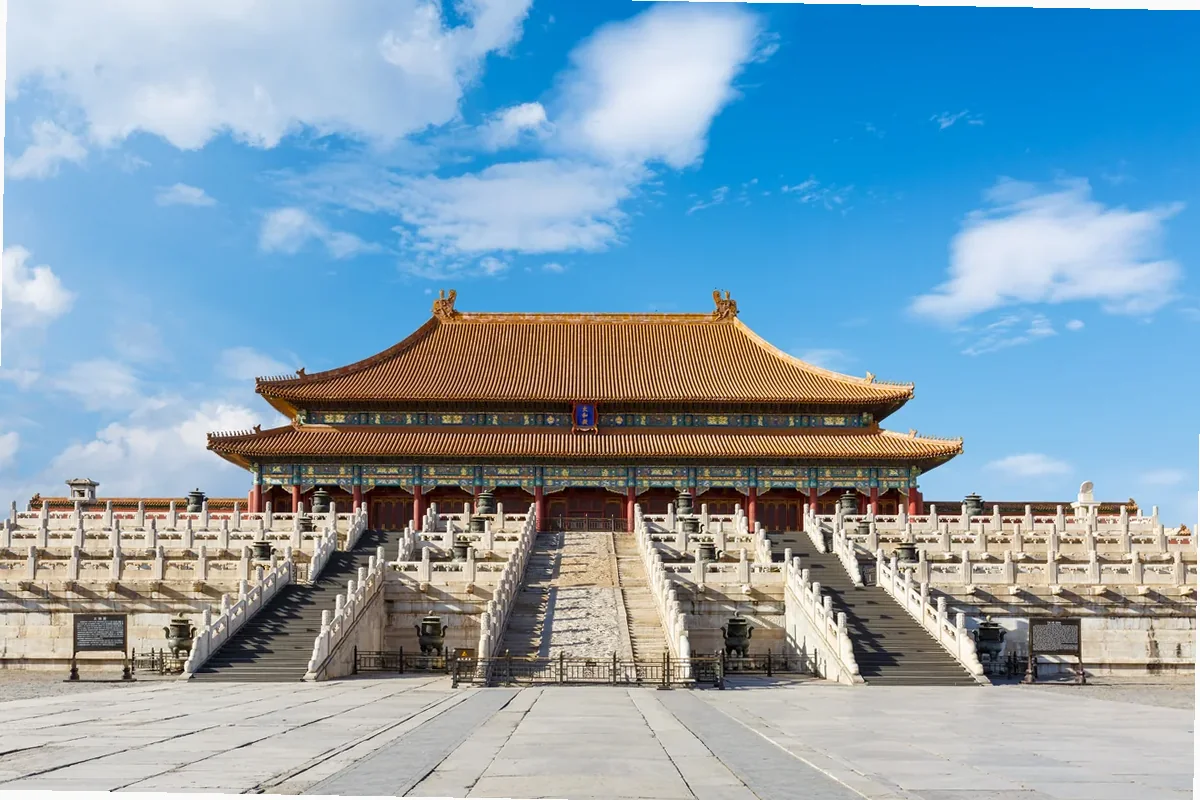
Three motives
| Motive | Evidence |
|---|---|
| Military | Beijing closer to the Mongol frontier; Yongle had been a frontier general |
| Political | Yongle's power base in the north; he had usurped the throne from his nephew in Nanjing |
| Cosmological | Palace as centre-of-world; emperor as axis between heaven and earth |
| Why "Forbidden" | Imperial decree restricted access; commoners crossing the wall faced execution |
Military reason - Mongol frontier
The Yongle Emperor had served as a military commander in the north before becoming emperor; he understood that Mongol pressure on the northern frontier was the central security threat to the Ming dynasty. Moving the capital from Nanjing (south) to Beijing (north) put the imperial government closer to the wall and the Mongol border - a strategic decision similar to a CEO moving headquarters closer to the critical market.
- Yongle's military background.
- Mongol frontier was the main threat.
- Capital closer to the wall.
- Strategic government re-positioning.
Political reason - Yongle's power base
Yongle had usurped the throne from his nephew, the Jianwen Emperor, after a four-year civil war (1399-1402). His power base, loyalist generals, and the bureaucrats who supported the coup were all in the north. Moving the capital to Beijing strengthened his rule and shifted the political centre away from the Nanjing-based old guard who had supported his nephew.
- Yongle usurped his nephew's throne 1402.
- Power base in northern garrisons.
- Capital move strengthened his rule.
- Reduced Nanjing-based opposition.
Cosmological reason - axis of heaven and earth
Imperial Chinese cosmology placed the emperor as the Son of Heaven at the literal centre of the world, where the axis between heaven and earth passed through. The Forbidden City was designed along a perfect south-north central axis to embody this position. The emperor's throne in the Hall of Supreme Harmony sits on this axis; even the Beijing city wall and avenues were aligned to it. The architecture is a statement of imperial cosmology, not just a residence.
- Emperor as Son of Heaven.
- South-north central axis = cosmological axis.
- Throne at the literal centre of the world.
- Beijing city plan aligned to it.
Why 'Forbidden' in the name
The 'Forbidden' (zi-jin, purple-forbidden in Chinese) referred to imperial decree: only the emperor's household, court officials, and authorised personnel could enter. Ordinary subjects who crossed the threshold faced execution. The name was a public assertion that the palace was the inviolable seat of imperial power. The 'purple' element (zi) referenced Polaris in Chinese cosmology - the unmoving star around which heaven rotated.
- Imperial decree restricted access.
- Execution for commoners crossing the wall.
- 'Purple' from Polaris in cosmology.
- Public assertion of imperial inviolability.
Common 'why built' misunderstandings
Thinking it was 'just a palace'
It was a cosmological statement: the centre of the world expressed in architecture.
Forgetting the capital-move context
The Forbidden City's purpose was to anchor the move from Nanjing to Beijing - the building is inseparable from that political decision.
Treating 'Forbidden' as decorative
It was literal. Access was restricted by execution.
Why was the Forbidden City built FAQ
- To serve as the new imperial palace when the Yongle Emperor moved the Ming capital from Nanjing to Beijing in 1420. Three motives: military (Mongol frontier), political (Yongle's power base), cosmological (centre of the world).
- Imperial decree restricted access. Only the emperor's household and authorised personnel could enter; commoners crossing the wall faced execution.
- Three reasons. Military: closer to the Mongol frontier he needed to defend. Political: his power base was in the north. Cosmological: Beijing as the symbolic centre of the world.
- No - previous Ming and earlier dynasty palaces existed. But the Forbidden City became the imperial seat from 1420 until 1912.
- 14 years (1406-1420) with approximately one million workers.
- 'Zi' (purple) referenced Polaris, the unmoving North Star, around which Chinese cosmology placed the heavens rotating. The emperor was the earthly equivalent.
Walk the cosmology
A history-focused guide makes the cosmology visible - the south-north axis, the throne at the centre, the yellow tiles as imperial colour. Our private Forbidden City day pairs it with the route.
If you want more on the construction itself, the who-built-it page covers the architects and labour force.