Five symbols decoded
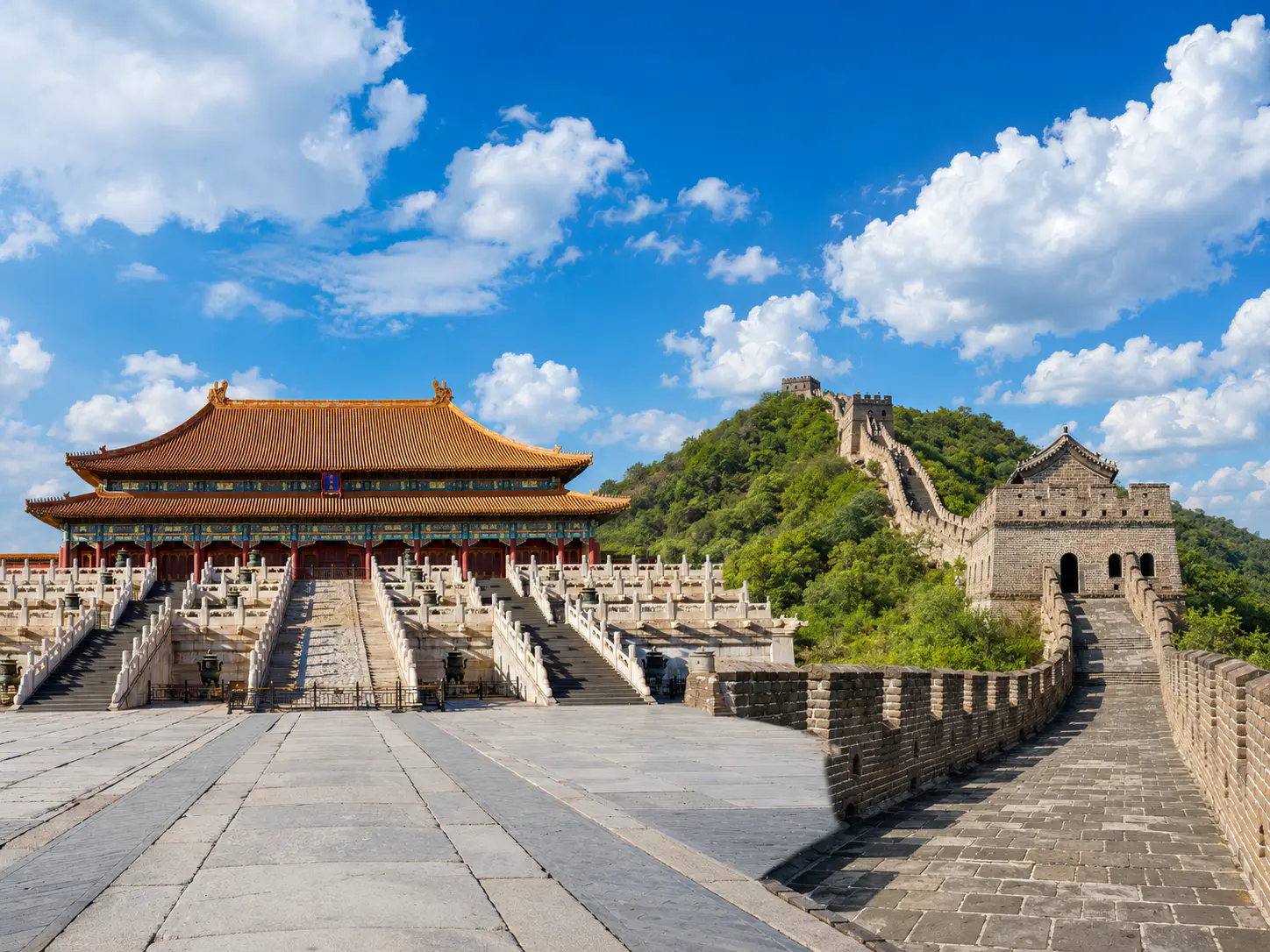
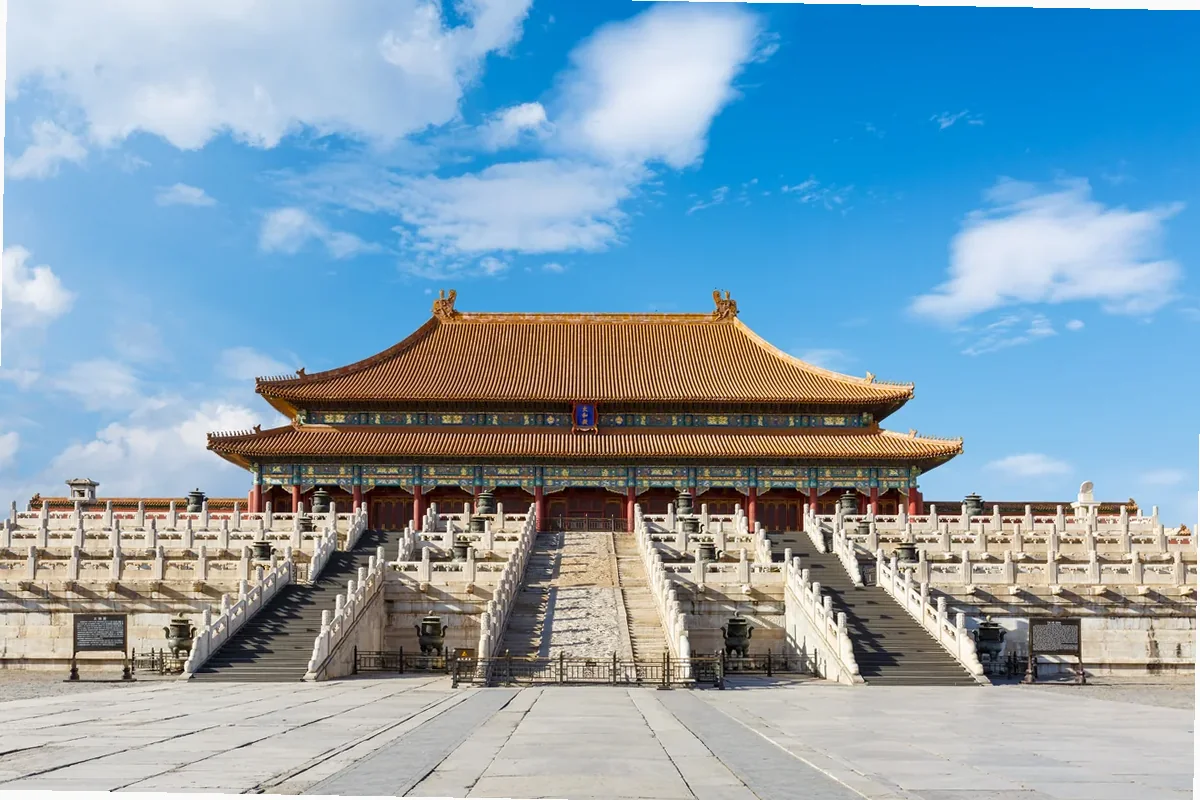
The Forbidden City is dense with imperial symbolism. (1) Yellow glazed roof tiles were reserved for imperial buildings - no commoner could use them. (2) The numbers nine and five together represent the emperor: the Hall of Supreme Harmony has 10 ridge animals (the only roof with ten), the door nail patterns are 9 by 9. (3) Dragons represent the emperor and phoenixes the empress. (4) The axis south-to-north represents the emperor sitting between heaven and earth. (5) The colour red on walls signifies celebration and protection.
- From central Beijing: Central Beijing — about 20–45 minutes by subway or taxi
- Reading time: 6-8 min
- Guide type: Cultural background
- Best for: Architecture and culture-curious visitors; Travellers wanting to decode what they see
- Less ideal for: Already familiar with the symbolism
Symbols decoded
| Symbol | Meaning | Where to see |
|---|---|---|
| Yellow glazed tiles | Imperial only | All major hall roofs |
| Number 9 | Highest imperial number | 10 ridge animals on Taihedian (the only roof with ten), 9 by 9 door nails |
| Number 5 | Five elements + imperial centre | Five archways of the Meridian Gate |
| Dragon (5-clawed) | Emperor symbol | Throne, ceiling, columns |
| Phoenix | Empress symbol | Inner Court palaces, empress's chambers |
| South-north axis | Emperor as Son of Heaven | Entire central axis layout |
| Red walls | Celebration + protection | All exterior walls |
| White marble plinth | Purity + rank | Three Great Halls, major halls |
Yellow tiles - imperial only
Yellow glazed roof tiles were reserved for buildings used by the emperor and his immediate family. The colour came from iron-rich glaze fired at imperial kilns in Liuli Qu near Beijing. Princely residences could use green tiles; official offices used grey; common houses used grey or unglazed. The yellow Forbidden City roofline is a deliberate cultural statement of imperial monopoly.
- Imperial-only colour.
- Iron-rich glaze, fired at Liuli Qu.
- Princely: green; official: grey; common: unglazed.
- Visible monopoly statement.
Nine and five - imperial numbers
Nine (jiu in Mandarin) is the highest single digit and traditionally represented imperial authority. Five (wu) represented the five elements (wood, fire, earth, metal, water) and the imperial centre. Together, nine and five (the emperor's numbers) appear throughout the Forbidden City: 10 ridge animals on the Hall of Supreme Harmony (the only roof with ten), 9 by 9 grids of door nails on the gates (81 nails), 5 archways on the Meridian Gate. The Hall of Supreme Harmony is 9 bays wide and 5 bays deep.
- 9: highest single digit; imperial.
- 5: five elements + imperial centre.
- 10 ridge animals on Taihedian (the only roof with ten).
- 9x9=81 door nails on the gates.
- Taihedian: 9 bays wide, 5 bays deep.
Dragons and phoenixes
Dragons represent the emperor and phoenixes the empress. Their pairing symbolises imperial balance. Dragon imagery dominates the Outer Court ceremonial halls (Taihedian's ceiling features a carved dragon clutching a pearl; the emperor's throne is flanked by gilded dragon columns). Phoenix imagery dominates the Inner Court private palaces (the empress's chambers, the Hall of Earthly Tranquility). Five-clawed dragons were imperial-only; four-clawed dragons appeared on princely objects; three-clawed on noble.
- Dragon = emperor; phoenix = empress.
- Outer Court: dragons dominate.
- Inner Court: phoenixes dominate.
- Five-clawed = imperial-only.
- Four-clawed = princely; three-clawed = noble.
South-north axis
The Forbidden City's central axis runs in a perfectly straight south-north line, embodying imperial Chinese cosmology where the emperor sat at the axis between heaven and earth. The same axis extends south through Tiananmen Square to Yongdingmen and north through Jingshan to the Drum and Bell towers. The orientation reflects: (1) south-facing main halls for sunlight and yang energy, (2) the emperor as Son of Heaven at the cosmological centre, (3) the imperial monopoly on the centre line.
- Perfectly straight south-north line.
- Emperor as Son of Heaven at axis.
- South-facing for yang energy.
- Extends beyond Forbidden City: Tiananmen to Drum + Bell towers.
Red walls + white marble
Red walls signify celebration and protection - the colour was used at imperial weddings, the New Year, and major ceremonies, and it was believed to ward off evil. The Forbidden City's outer walls and the red-painted columns inside halls reinforce the imperial celebration motif. White marble in the plinths and balustrades signifies purity and the highest imperial rank - it was a costly material to quarry and transport, and only major imperial halls used triple-tier plinths.
- Red: celebration + protection.
- Used at weddings + New Year + ceremonies.
- White marble: purity + highest rank.
- Triple plinth: only Three Great Halls in China.
Common symbolism mistakes
Counting ridge animals wrong
Count from the corner ridge inward. The figure on the rooster is not counted; the count starts at the first mythical animal.
Forgetting to check dragon claws
Five-clawed = imperial-only. Four = princely. Three = noble. Look at the claws on every dragon you photograph.
Ignoring the south-north axis
The cosmological centre line is a deliberate architectural statement. Standing on it in front of Taihedian: you're literally at the centre of the world (per imperial Chinese cosmology).
Forbidden City symbolism FAQ
- Yellow tiles for imperial monopoly; nine and five for imperial authority; dragons for the emperor and phoenixes for the empress; south-north axis for the emperor as Son of Heaven; red walls for celebration; white marble for purity.
- Highest single digit in Chinese numerology; symbol of imperial authority. Appears as 9 ridge animals on the Hall of Supreme Harmony (most of any building in China).
- Imperial-only colour, reserved for the emperor's buildings. Princely residences used green; official offices grey; common houses grey or unglazed.
- Five-clawed = imperial-only; four-clawed = princely; three-clawed = noble. The claw count indicates rank.
- Imperial decree restricted access. Only the emperor's household and authorised personnel could enter; commoners crossing the wall faced execution.
- Imperial cosmology - the emperor as Son of Heaven sitting at the axis between heaven and earth.
Walk with the symbolism decoder
A guide makes the symbolism live - count the roof animals, point out the dragon claws, explain the yellow tile monopoly. Our private Forbidden City day pairs the route with the cultural decode.
If you want the full architectural context, the architecture page covers the buildings.
Plan a guided symbolism-focused Forbidden City dayArchitecture