Private Lama Temple + Hutong Day

Incense and a living monastery, then brick lanes that still have residents. A quieter city day than another palace axis.

  • Private guide
  • Reservation help
  • Flexible route
  • Hotel pickup

Trusted by international travelersPrivate Beijing toursFast WhatsApp reply

Incense and a living monastery, then brick lanes that still have residents. A quieter city day than another palace axis.

  • Private guide
  • Reservation help
  • Flexible route
  • Hotel pickup

Trusted by international travelersPrivate Beijing toursFast WhatsApp reply

Request: Lama Temple and Hutong Day Tour

Get a fast, personalized quote.

Plan confirmed firstNo payment on enquiry

Choose temple depth and lane time

Yonghegong is a working monastery. The hutong afterward should be allowed to be quiet.

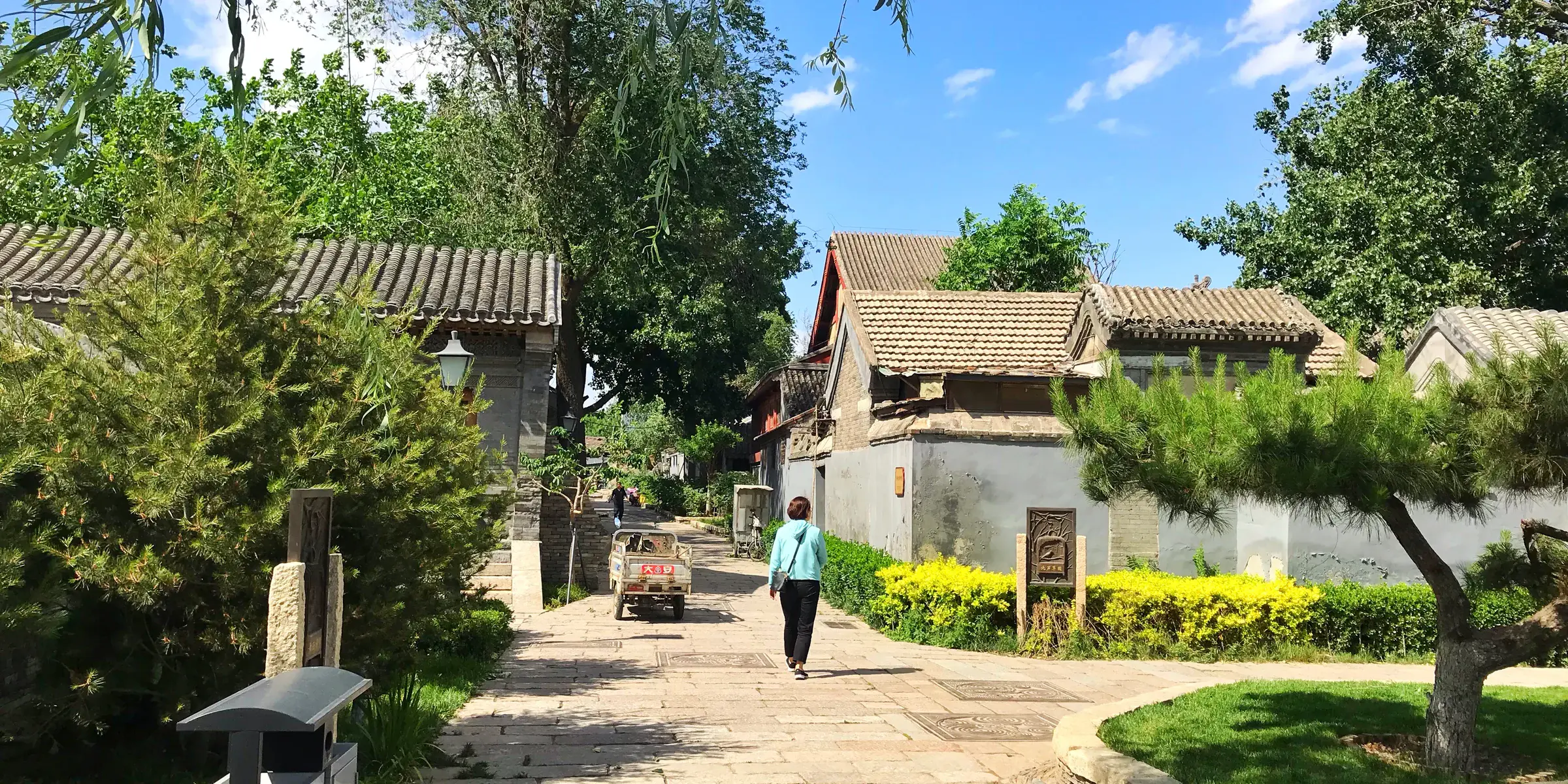
A quiet Beijing hutong lane with grey brick courtyard houses.

3–5H

Hutong private tour

Lanes only.

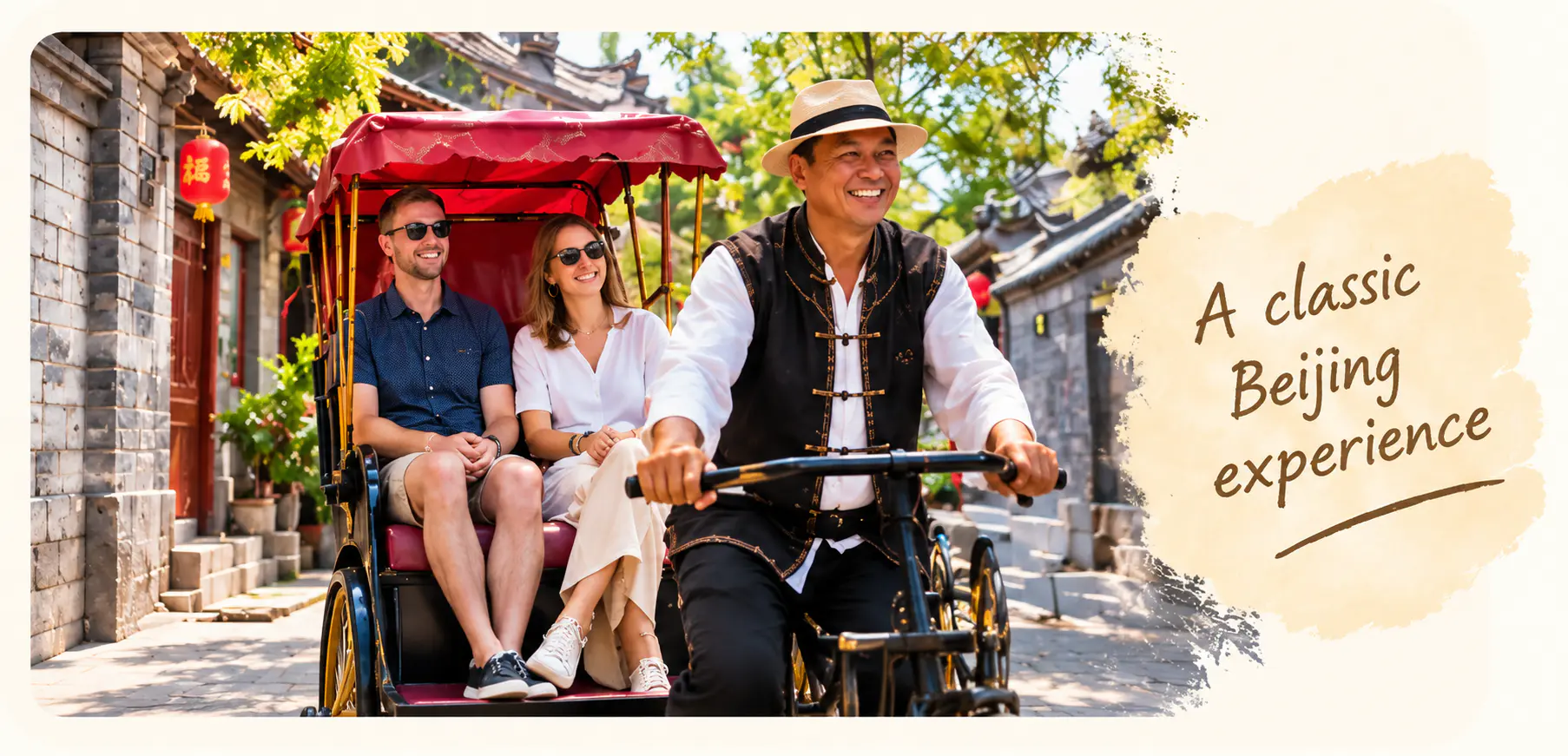
Travelers riding a traditional rickshaw through a Beijing hutong.

Half or full

Hutong rickshaw and food

When the meal is the point.

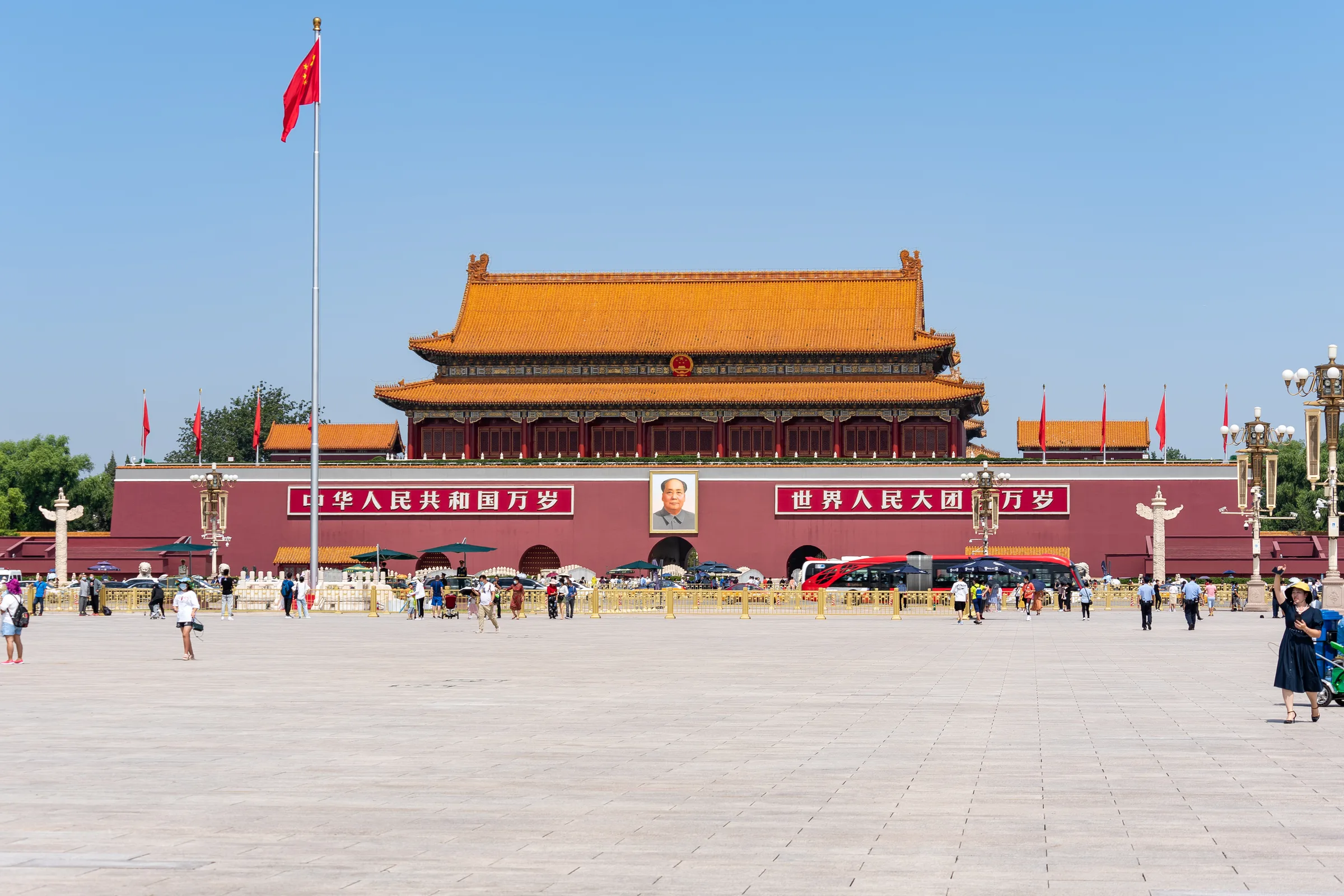
Tiananmen Gate behind fountains, red flags and landscaped gardens.

Full day

Square + palace + hutong

If you still need Tiananmen and the palace.

A typical temple-and-lane day

WhenPlan
MorningYonghegong halls at a respectful pace
Optional extraConfucius Temple / Imperial College only if agreed
MiddaySimple lunch near the lanes
AfternoonResidential hutong pocket, then hotel drop

Best for

  • Travelers who want religion and street
  • Guests who already did the palace

A different day is better if

  • People seeking a hutong bar street
  • A Wall day

Usually included

  • Private vehicle and licensed English-speaking coordination for the agreed window
  • Hotel or agreed pickup and drop in the Beijing service area
  • Reservation advice and a written day plan before you travel
  • Respect briefing
  • A lane pocket off the temple approach road

Usually not included

  • Entrance tickets unless the quote says they are included
  • Meals unless you ask us to book a table
  • Gratuities
  • A published price on this page — we quote after we confirm the day

Temple-and-lane versus palace-and-lane

QuestionThis dayTiananmen + palace + hutong
Official landscapeWorking monasterySquare and palace
Crowd typeDevotees and visitorsCivic and museum crowds
Choose whenYou want incense and brickYou want the postcard square

A working temple, then ordinary lanes

Yonghegong is not a retired monument that happens to look like a temple. It is a functioning Tibetan Buddhist monastery in the city, with incense, devotees, and rules about photos and shoulders. A private visit starts with that fact. The hutong walk afterward is how you return to the street without jumping straight into another ticketed hall.

We plan incense time as time, not as a corridor you speed-walk. If someone in your group is uncomfortable with active worship, say so — we can keep more of the visit architectural and still be respectful.

Confucius Temple and the Imperial College sit nearby and are a possible extra, not an automatic add-on. Three religious-and-ritual sites plus lanes is usually too much. We will pick.

How to be in the temple

Dress like a guest in a working religious site. Covered shoulders help. Hats come off where asked. We follow the posted photo rules even when other visitors do not.

Incense smoke is part of the air. If anyone has asthma, we plan shorter hall time and more courtyard time.

Crowds spike around festival dates. We check. A quieter weekday morning is the version we prefer to quote.

The hutong after

The lanes east and north of the temple can still feel residential if we turn off the main approach road. That turn is the tour.

A short food stop works here: noodles, dumplings, or a vegetarian kitchen. A rickshaw is optional and often unnecessary if we already walked enough in the temple.

We do not end in a souvenir tunnel. If you want shopping, say so and we will isolate it instead of pretending it is the neighborhood.

Who this is for

Travelers who want religion and street, not another palace.

Guests who already did the Forbidden City.

Not for people seeking a hutong party street. Not for a Wall day.

Tickets

Temple tickets and any nearby extras are confirmed for your date. Real-name rules can apply.

We do not publish a sample price.

If you already bought temple tickets, send them.

Walking and sensory load

The temple is a sequence of halls on a north-south line. It is not as large as the Summer Palace. It can still overwhelm if we rush incense and crowds together.

Lanes afterward should be slower. That contrast is the point.

Uneven brick returns in the hutong. Shoes again.

Quote

Date, hotel, interest in Confucius Temple, food yes/no, photo comfort.

Plan and quote. No payment on enquiry.

If you only want the temple, we can shorten to a half day. If you only want lanes, use the hutong page.

Related

Hutong-only and hutong-food pages exist.

Palace days are a different mood. Do not stack them the same morning unless we agree.

The Lama Temple visitor guide is the place for deeper history.

A working temple, then lanes — not another throne hall

Yonghe Temple is an active Tibetan Buddhist monastery in the city. Incense, prayer, and a large Maitreya sculpture are the point. A guide who only says “nice roofs” has wasted the morning.

Photography rules and which halls you may enter change. We follow the live notice, not a last-year blog. Hats off, voices down, and no posing on altars. That is not optional courtesy.

The hutong after the temple should be quieter than a palace exit. We pick a nearby pocket so the day stays in one band of the city.

How incense time and lane time share a clock

A fuller temple and a shorter walk is the usual first-visit shape. A shorter temple and a fuller hutong is the shape when you already know Yonghe and want the neighborhood.

We do not add a palace on the same short clock. Security and reservation logic would steal the temple. Use a different day.

Rickshaw is optional and brief. A meal is optional and will own the afternoon if you choose it. Say which one is the point.

Who this day fits

Travelers who want a religious site that is still used. Guests who have already done the Forbidden City and want a quieter central day. People who like to walk and talk in lanes after a structured morning.

Not visitors who want a guaranteed courtyard museum interior. Not anyone treating incense as a five-minute checkbox before shopping.

If you want the calligraphy-and-dumpling workshop, that is a separate booking. We can sequence it only when both hosts and the temple clock agree.

Practical notes around a working monastery

Dress like you would for a functioning temple anywhere: shoulders covered is a kindness even when not strictly enforced. Comfortable shoes for brick after.

Ticket and security at Yonghe are their own morning. Pickup includes that buffer. We do not publish a sample hour.

Quote after we know whether food or rickshaw sits in the afternoon. No payment on enquiry.

Incense, halls, and the large figure people come to see

Yonghe Temple is visited for a working religious atmosphere and for a specific, very large Maitreya. Crowds move toward that hall. A private guide’s job is to time the visit so you are not only in that crush, and to explain what you are looking at when you get there.

Other halls are quieter and often more useful for understanding how the monastery is used. We will not rush them only because a photograph list said so.

If a hall is closed, we adapt. We do not invent a secret chapel.

The neighborhood after incense

The lanes near Yonghe and the Drum and Bell pocket are the usual coda. We stay in one band of the city. Crossing to Shichahai on the same short afternoon is how the temple becomes a checkbox.

A quieter residential edge is possible if you want less commerce. Say so. It may add a few minutes in the car.

Evening bar streets are not the default end. Late afternoon light on grey brick is.

Religion, photography, and dress

This is a functioning monastery. We follow posted rules and the live instruction of staff. That can include no photos in a hall you wanted to photograph. The day still works.

Shoulders covered is a kindness. Voices down is a requirement we will enforce for our group even when a tour nearby does not.

If someone in your group is uncomfortable in active religious space, tell us. We can weight the day toward the hutong or move you to a different page.

Quote after incense and lanes are both named

Date, hotel, temple weight versus lane weight, food yes or no, rickshaw yes or no. Those answers are the quote.

We will not add a palace. We will not add the Wall. If you named either, we will offer a second day.

No payment on enquiry. If Yonghe is closed or unusually restricted on your date, we rebuild before you travel.

Incense first, lanes second, no throne hall on the clock

Yonghe Temple is an active Tibetan Buddhist monastery. The morning is incense, halls, and a very large Maitreya that draws a crowd. A private guide times the crush and explains what you are looking at. A guide who only says “nice roofs” has wasted the ticket.

Photography rules and open halls change. We follow the live notice and the instruction of staff. A hall you wanted may be closed. The day still works. We do not invent a secret chapel.

Dress and voice are part of the product. Shoulders covered is a kindness. Quiet is a requirement we will keep for our group even when a tour nearby does not.

The hutong after should be quieter than a palace exit. We pick a nearby pocket — often toward Drum and Bell — so the day stays in one band of the city. Crossing to a distant lake street makes the temple a checkbox.

Rickshaw is optional and brief. A meal is optional and will own the afternoon if you choose it. A workshop is a different booking.

We will not add the Forbidden City or the Wall to this clock. Security logic and direction both fight the monastery morning.

Who this quieter central day is for

Travelers who want a religious site that is still used. Guests who already did the palace and want incense and brick instead of another throne room. People who like to walk and talk in lanes after a structured morning.

Not visitors who want a guaranteed courtyard museum. Not visitors who treat incense as a five-minute stamp before shopping. Not visitors uncomfortable in active religious space — tell us; we can weight the hutong or move the page.

Families do well when we keep the temple compact and the lanes short. Seniors do well when we sit in a courtyard street after the halls.

Photographers who want roofs and incense smoke should say so. We will not rush the one quiet hall for a lane we can walk later.

If you want food to be the design, say so — we may keep the temple short and use the food-focused hutong product in the afternoon, or we keep this page and book a real table.

If you want the calligraphy-and-dumpling workshop, that is a host with a clock. We sequence it only when both sides agree.

Practicalities and the quote

Pickup includes the temple security buffer. We do not publish a sample hour. Holiday weeks change the line.

Tickets and any real-name rules are confirmed for your date. Inclusion is a quote line.

Hotel area matters. A nearby stay saves the morning. An east-third-ring stay needs a transfer we write into the start.

Date, temple weight versus lane weight, food, rickshaw, and dress notes if anyone is unsure. Those answers are the quote.

If Yonghe is restricted on your date, we rebuild before you travel. We do not discover a closed monastery at the gate.

No payment on enquiry. We do not publish a price here. A written morning-and-afternoon shape either way.

A working monastery and a neighborhood, kept in one band

Yonghe is incense, halls, and a crowd that moves toward one very large figure. We time that crush and we keep voices down even when a tour nearby does not. Closed halls happen. Secret chapels do not.

The lanes after stay nearby. Drum and Bell is the usual coda. A distant lake street makes the temple a checkbox. Rickshaw stays brief. A meal owns the afternoon only if you asked for a table.

We will not add the palace or the Wall. Dress is part of the morning. Shoulders covered is a kindness. Photography follows staff, not a shot list.

If someone is uncomfortable in active religious space, tell us. We can weight the hutong or move the page.

Holiday weeks change the temple line. We put that buffer in the pickup. We do not publish a sample hour.

If Yonghe is restricted on your date, we rebuild before you travel. Discovering a closed monastery at the gate is a failure we can avoid.

Closing a temple-and-lane enquiry

Date, hotel, temple weight versus lane weight, food, rickshaw, and any dress concerns.

We reply with a morning-and-afternoon shape and a quote. Tickets are a line if they sit on our side.

No payment on enquiry. We do not publish a price here. No courtyard living room we cannot book. Homes stay homes in the afternoon too.

Incense, a large figure, then brick in the same band of the city

Yonghe Temple is used. That sentence is the morning. Incense, halls, staff instructions, and a crowd that moves toward one very large Maitreya. We time the crush. We explain what you are looking at. We do not invent a chapel behind a door that is locked.

Photography follows the live notice. A hall you wanted may refuse cameras. The day still works. Voices stay down even when a tour nearby does not. Shoulders covered is a kindness we will mention before you leave the hotel.

If someone in the group is uncomfortable in active religious space, tell us before we lock incense as the point. We can weight the lanes or move you to a hutong-only page. That is a better morning than a tense hall.

The afternoon stays nearby. Drum and Bell is the usual pocket. A distant lake street makes the monastery a checkbox. Residential edge first. Retail streets we cross, we do not inhabit.

Rickshaw is a short optional bridge. A meal owns the afternoon only if you asked for a table. A workshop is a host with a different clock. The palace and the Wall are other days.

Holiday weeks change the temple line. Pickup includes that buffer. We do not publish a sample hour. If Yonghe is restricted on your date, we rebuild before you travel.

Homes in the lanes stay homes. Cameras stay on brick unless someone invites a portrait. Carts have the right of way. Tired groups still get courtesy — or they get a shorter walk.

Date, hotel, temple weight versus lane weight, food, rickshaw, dress concerns: that is the quote. Tickets are a line if we buy. No payment on enquiry. We do not publish a price here. No living room we cannot book.

A working monastery morning, then brick that still belongs to someone

Yonghe Temple is used. That sentence is the whole morning. Incense, halls in a north–south line, staff who will ask you to keep moving, and a crowd that gathers toward one very large Maitreya. We time the crush. We explain what you are looking at. We do not invent a chapel behind a door that is locked. A guide who talks over a ceremony is not doing the job.

Photography follows the live notice on your date. A hall you wanted may refuse cameras. The day still works. Voices stay down even when a tour nearby does not. Shoulders covered is a kindness we mention before you leave the hotel. Hats come off in some halls. We will say so. We will not scold you in front of a shrine for a rule we failed to mention.

If someone in the group is uncomfortable in active religious space, tell us before we lock incense as the point. We can weight the lanes or move you to a hutong-only page. That is a better morning than a tense hall. This page is not a requirement. It is one pairing among quieter Beijing days.

The afternoon stays in the same band of the city. Drum and Bell and the lanes around them are the usual pocket. A distant lake street after a monastery morning makes Yonghe a checkbox. We cross retail streets. We do not inhabit them. Residential edge first. Homes stay homes. Cameras stay on brick unless someone invites a portrait.

Rickshaw is a short optional bridge, not a two-hour souvenir circuit. A meal owns the afternoon only if you asked for a table. A workshop is a host with a different clock. The palace and the Wall are other days. Jingshan after incense is how knees become the memory.

Holiday weeks change the temple line. We include that buffer in pickup. We do not publish a sample hour. If Yonghe is restricted or unusually crowded on your date, we rebuild before you travel — a quieter temple, a hutong-only morning, or a different pairing. We do not discover the closure at the gate.

Confucius Temple and the Imperial College sit next door. They are a different ticket and a different mood: quieter courtyards, stele, less incense. If you want that pair instead of hutong brick, say so. We will not add both and keep the same hours. Next-door is not free.

Send date, hotel, temple weight versus lane weight, food, rickshaw, dress or comfort concerns, and whether anyone has already walked these lanes. Tickets are a line on the quote if we buy them. No payment on enquiry. We do not publish a price here. No courtyard living room we cannot book.

Who should use this quieter pairing instead of a palace day

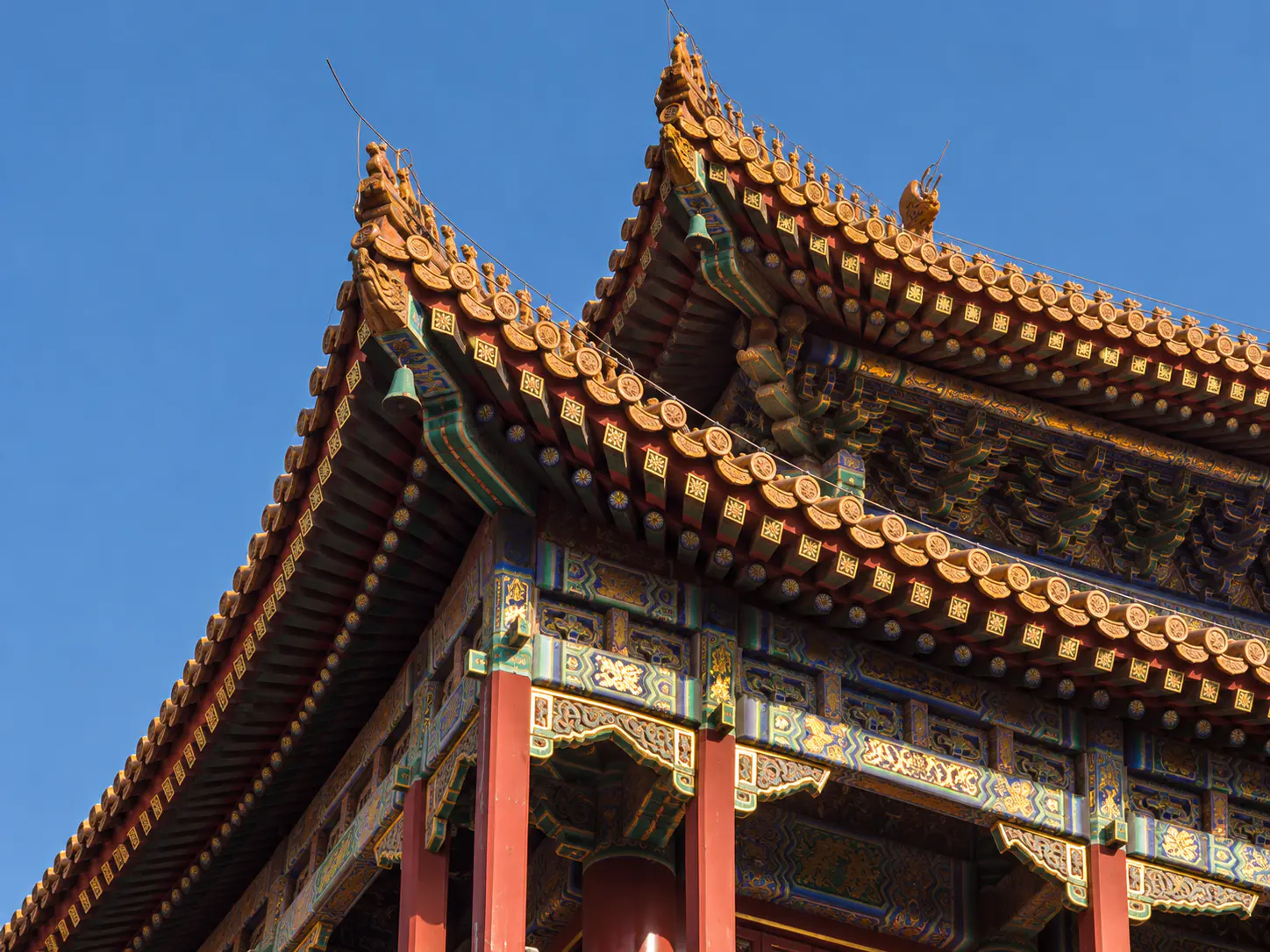
This page is for travelers who already gave a day to the Forbidden City, or who do not want another marble axis, and who still want a morning that feels like Beijing. A working temple plus nearby lanes is a different city from a throne room plus a garden. It is slower at the door and kinder on the legs if we keep the pocket short.

It is also for travelers who care about religious space done with courtesy. If you want incense explained, if you want to know why the Maitreya is where it is, if you want to stand still without blocking a worshiper — this pairing holds that. If you want a photograph of every roof, we will still take you, and we will still ask you to follow the notice.

Families can do this day if children can keep voices down in the halls and then run a little in a lane. We will say no if a toddler and a packed holiday morning are the same sentence. Seniors often prefer this pairing to a palace-and-hill day. Photographers should expect some halls to refuse cameras and some lanes to refuse faces.

If you wanted the Temple of Heaven, this is the wrong monastery. Yonghe is Tibetan Buddhist in the capital, still used, in a different part of the city. Tiantan is a ceremonial park with a different ticket and a different crowd. We will move you if the name you meant was the Hall of Prayer.

If you wanted food to design the day, use the hutong rickshaw-and-food page. This URL can include a table. It does not start from the table. If you wanted only lanes, use the hutong private-tour page. If you wanted only a short walk, use the hutong half-day.

The palace can sit on another morning. The Wall can sit on another day. Stacking either onto this pairing is how the monastery becomes a stamp. We will recommend the live Forbidden City page or a Mutianyu day instead of a heroic four-name clock.

The written plan names the temple window, photo limits we already know, the pocket, optional ride, optional table, and drop-off. The quote matches that shape. No payment on enquiry. If Yonghe cannot hold your date, we send a rebuilt morning before you fly.

Common mistakes

Treating Yonghegong like an empty museum

People are praying. We walk around them, not through them.

Adding the palace the same morning

Two heavy interiors. We usually split days.

Ending on the loudest shopping lane

The turn off the approach road is the tour.

Ignoring smoke and stairs

Asthma and knees belong in the notes.

Why book this Lama Temple + Hutong day with DragonTrail?

  • Respect is the product

    Photo rules, incense, and dress are part of the day, not footnotes.

  • Nearby lanes, not a distant district

    We walk from the temple area instead of driving to a souvenir street.

  • Confucius Temple is optional

    Three ritual sites plus lanes is usually too much. We pick.

  • Food can be vegetarian-aware

    Tell us. We will not force a meat banquet after a monastery morning.

  • No palace stack by default

    Different mood. Ask if you want both; we may split days.

  • Quote after comfort notes

    Smoke, crowds, and photos change the plan. We do not publish a price here.

How it works

  1. Send your date and pace

    Share travel date, hotel area, group size, walking comfort, and whether Lama Temple + Hutong is the whole day or part of a wider Beijing plan.

  2. We check what is actually open

    Reservations, closed days, and timed-entry rules change. We confirm them for your date before we send a route and quote.

  3. Agree the shape, then the quote

    You see a realistic sequence — not a promise to stack every landmark. If a second stop does not fit, we say so.

  4. Meet your guide or driver

    Pickup at the hotel, apartment, or an agreed point near the first gate. No shopping-circuit detours.

  5. Adjust on the day

    If a gallery is closed or someone needs a rest, we shorten the far loop rather than rushing the last hour.

FAQ

Not sure this Lama Temple + Hutong plan fits?

Send your date, pickup, group size, and walking notes. We will recommend this page or a better pairing before you commit. No payment on enquiry.