
What a courtyard house experience is
A Beijing courtyard house experience puts visitors inside a working siheyuan with a host - the host explains the four-wing layout, the screen wall, the family history, then serves tea, sometimes a calligraphy session or dumpling lunch in the kitchen. Length 60-90 minutes for the visit-only format; 3-4 hours for the combined cultural experience.
- Drive time from Beijing: Central Beijing hutong belt
- Typical visit style: 60-90 min visit-only; 3-4 hr combined
- Difficulty: Easy - flat courtyards, indoor
- Crowds: Private small-group format
- Best for: Travellers wanting the strongest single Beijing cultural moment; Architecture-curious, history-curious; Families with kids 7+; Couples on second trip
- Less ideal for: Travellers wanting a museum visit - go to Prince Gong's Mansion instead
A restored siheyuan entrance
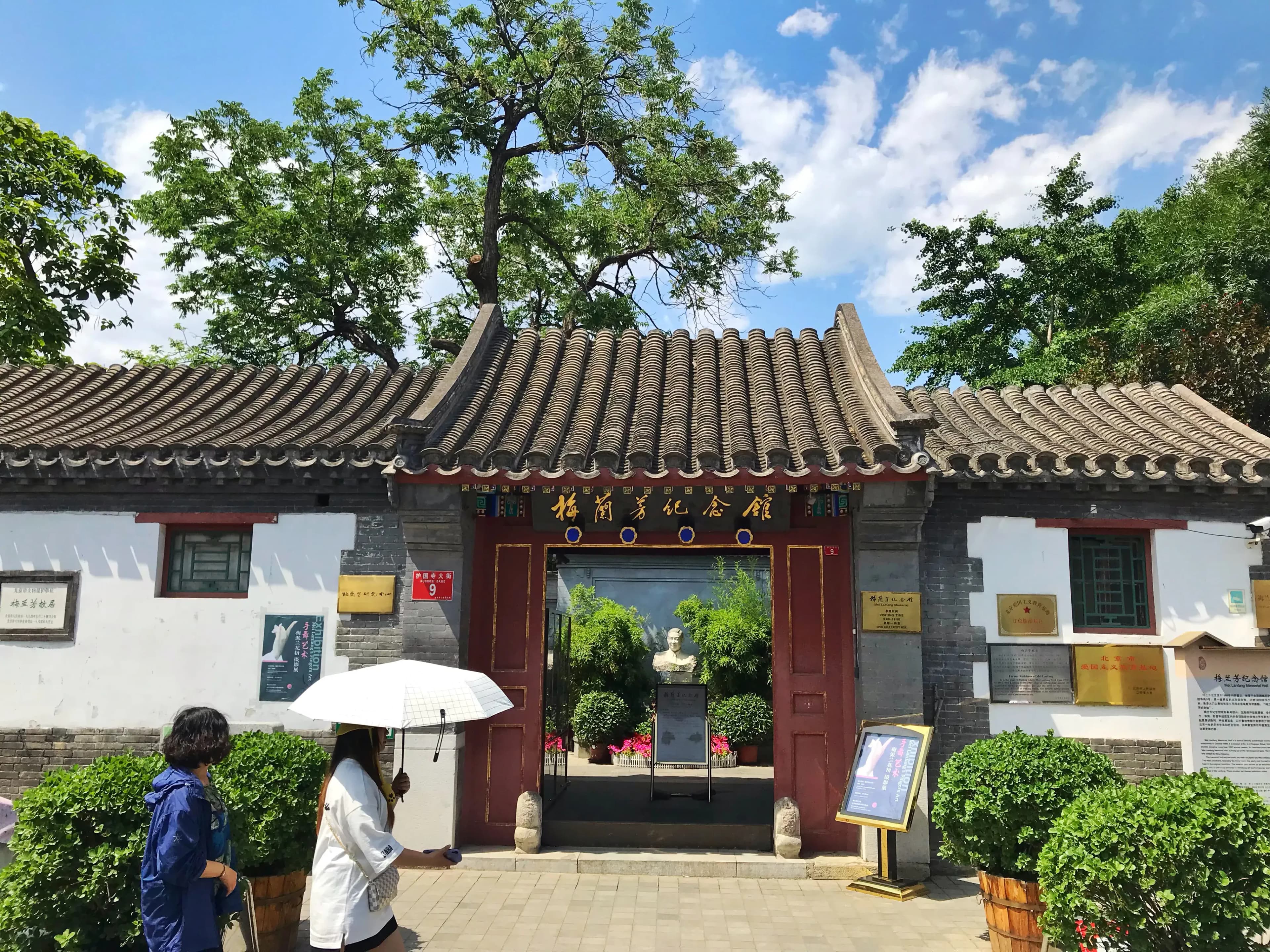
Beijing siheyuan at a glance
| Attribute | Detail |
|---|---|
| Layout | 4 single-storey buildings around a central paved courtyard |
| Status signal | Gate size, courtyard count, roof colour, doorstone carving |
| Built | Yuan-Ming-Qing; most surviving courtyards are Qing-era |
| Modern use | Half residential, half museum / hotel / restaurant / visitor venue |
| Visit length | 30-60 min standalone; 90 min with tea |
| Common pairing | Hutong walk + courtyard visit + dumpling class |
| Best clusters to visit | Shichahai, Dongcheng, around the Drum Tower |
| Cost | Free for residential exterior view; 30-100 RMB for visitor courtyards; varies for tea/hosted |
How does the host part work?
The host is usually a Beijing resident who has lived in the siheyuan for decades (multi-generational) or a younger Beijinger who has restored a courtyard as a cultural space. They greet you at the gate, walk you through the layout, sit you in the main hall for tea, and either lead a calligraphy / dumpling activity or share family stories. Language is usually handled by a bilingual guide.
- Host: long-term resident or cultural-space owner.
- Walk + tea + stories: 30-45 min.
- Combined: + calligraphy session + dumpling lunch.
- Guide handles English when needed.
Where is the courtyard usually located?
Most DragonTrail courtyard experiences happen in the Shichahai-Gulou hutong belt or the lanes off Nanluoguxiang / Dongsi. The specific siheyuan depends on host availability on the day - confirmed 2-3 days in advance. Hotel pickup is included from central Beijing.
- Common locations: Shichahai, Gulou, off-Nanluoguxiang, Dongsi.
- Confirmed 2-3 days ahead.
- Hotel pickup included.
Visit a siheyuan
The four-sided courtyard house - architecture, layout, history.
What courtyard life signalled - family, hierarchy, and Qing-era status.
Public, semi-public, and host-led courtyards open to visitors.
Cross-link with hutong - alley vs courtyard, paired ideas.
Sibling sub-hub: the alley network around every courtyard.
Common Beijing siheyuan mistakes
Trying to visit residential courtyards uninvited
Most siheyuan are still private homes. Visit clearly-marked visitor courtyards (museums, restored homes, hosted venues), not random gates.
Skipping the courtyard entirely
Walking past dozens of siheyuan gates without going inside is the most common hutong mistake. Add one courtyard visit to every hutong walk.
Booking a hotel-style courtyard expecting a museum
Courtyard hotels are private property - you stay there, you don't tour them. Pick a museum or hosted visitor venue if you want to see the building.
Visiting on a weekend afternoon
Group tours arrive 2-4 PM weekends. Weekday morning is calmer.
Ignoring the gate detail
Doorstones, gate posts, and roof tiles tell the rank story. Slow down at the entrance before going inside.
Beijing siheyuan FAQ
- A traditional Beijing residential compound: four single-storey buildings arranged around a central courtyard, with one ornate gate. The 'four-sided courtyard' name describes the layout.
- Yes - dozens of restored siheyuan operate as museums, hotels, restaurants, or hosted visitor venues. Visit clearly-marked ones, not residential gates.
- A hutong is the alley between houses; a siheyuan is the courtyard house itself. You walk a hutong; you visit a siheyuan.
- 30-60 minutes for a standard visit; 90 minutes if you add tea or a hosted talk. Fits into a hutong walk cleanly.
- Yes - hundreds remain private homes, though many have been subdivided into apartments since the 1950s.
- Book a hosted visit through a tour operator - some private courtyards offer pre-arranged tours, tea, or meals.
Plan a Beijing courtyard + hutong half day
The most popular Beijing siheyuan visit is included in a half-day hutong + dumpling experience - you walk Shichahai, go inside a restored courtyard for a calligraphy + dumpling-making session, and lunch in the courtyard.
If you want a standalone courtyard visit, ask us to add a hosted siheyuan stop to a Beijing day tour.
Book the hutong + calligraphy + dumpling experienceSee all Beijing experiences