Beijing city guide: choose your days before your stops
Build a Beijing stay around palace reservations, realistic walking days and neighborhoods that fit together. Start with confirmed guides and leave room to explore.
Plan Beijing by choosing one primary day type—imperial city, garden palace, ritual park or Great Wall—then building transfers and reservations around that anchor.
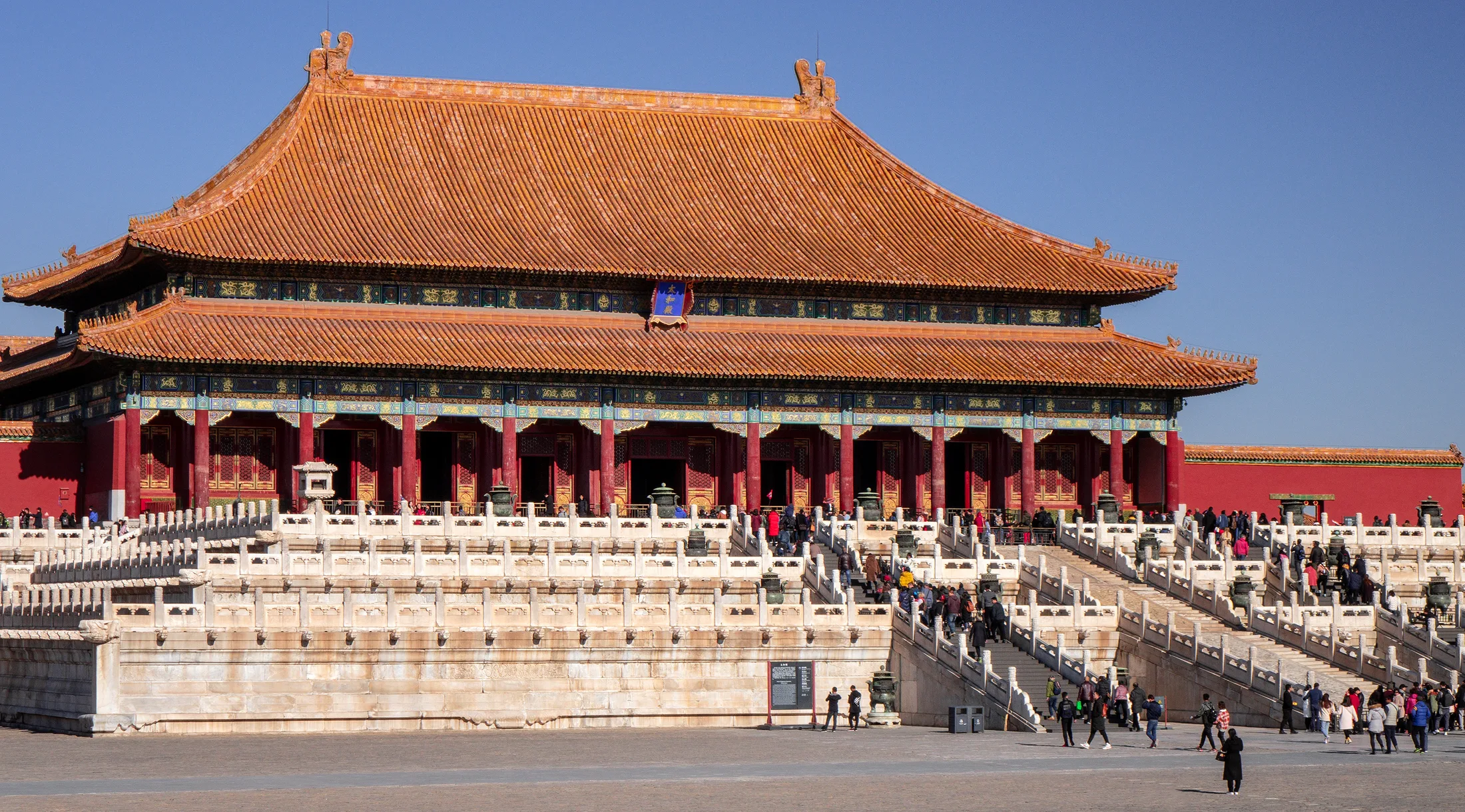
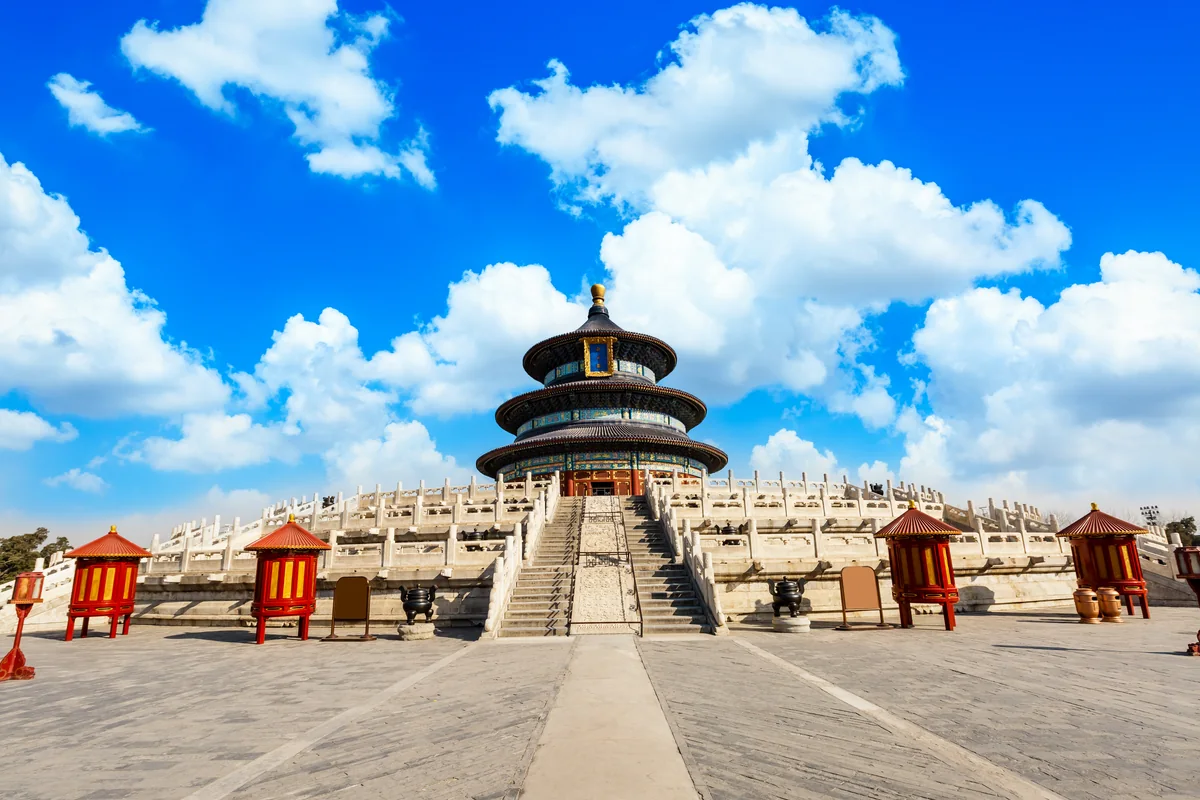
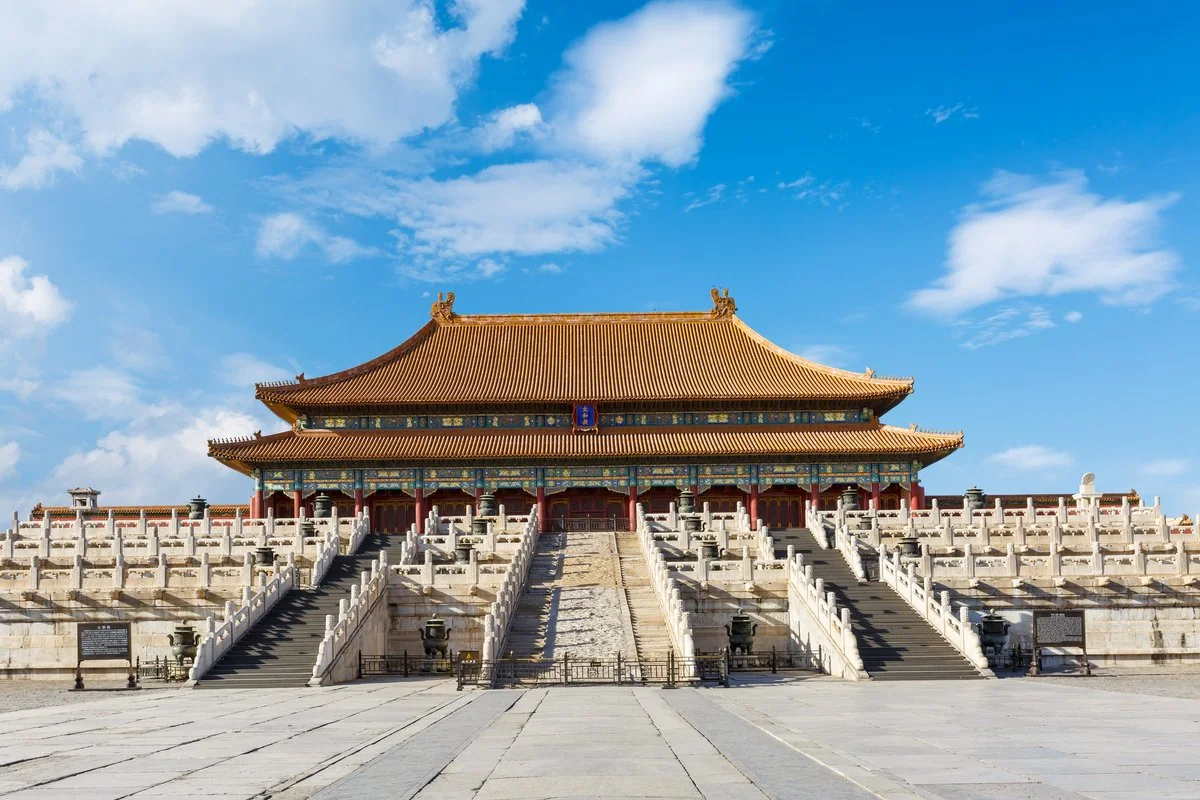
The Forbidden City, Summer Palace, Temple of Heaven and Mutianyu each need different time, tickets and energy. Use the dedicated attraction guides for logistics, and keep layover or evening-show plans on separate usable-time budgets rather than stacking everything into one day.
Last modified:
Start with the days you actually have
Beijing rewards a little space in the plan. A palace morning, an unhurried lunch and a walk through an older neighborhood can make a better day than crossing the city for a third major attraction. Count complete sightseeing days first: arrival and departure dates usually leave less usable time than they appear to on a calendar.
Choose one main visit for each day, then add a nearby walk that you can shorten. Reserve the visit that matters most before building the rest of the route around it. A place on a wish list is not a confirmed ticket.
Count full days in the city, not the landing and not the flight home. One full day is one anchor. Two full days force a choice between the Great Wall and a second city area. Three full days can hold the palace, the wall and one city day you actually want.
A full day in Beijing is the stretch between leaving the hotel after breakfast and being willing to sit down again before dinner. Immigration, luggage and the ride in from PEK or PKX are not that stretch. The morning you fly out is not that stretch either, unless the flight is late and you are staying near the sight you still hope to see.
Write the days you actually have as a short list before you open a map. One day can hold one major reservation and one nearby walk. Two days force a choice: the Great Wall or a second city area, not a palace-plus-wall afternoon. Three days can hold the palace, a separate wall outing and one other city thread — a garden, a museum or a neighborhood — if the scarce ticket is booked first.
If the group includes children, older walkers or anyone who dislikes stairs, shorten the list further. Beijing’s famous interiors are long stone routes. A comfortable day that finishes on time is a better first visit than a checklist that still has two unused tickets at closing.
One full day: choose the Forbidden City or another major sight, then a nearby neighborhood.
Two full days: decide whether the second day belongs to the Great Wall or the city. Trying to do both in the same afternoon loses the benefit of a second day.
Three full days: give the palace, a separate Great Wall outing and a second city area their own space.
Four days or more: add an interest, a slower morning or an overnight side trip only after allowing for its travel time.
Days you have
Days
What to plan
One full day
Choose the Forbidden City or another major sight, then a nearby neighborhood.
Two full days
Decide whether the second day belongs to the Great Wall or the city. Trying to do both in the same afternoon loses the benefit of a second day.
Three full days
Give the palace, a separate Great Wall outing and a second city area their own space.
Four days or more
Add an interest, a slower morning or an overnight side trip only after allowing for its travel time.
Choose a city day by interest
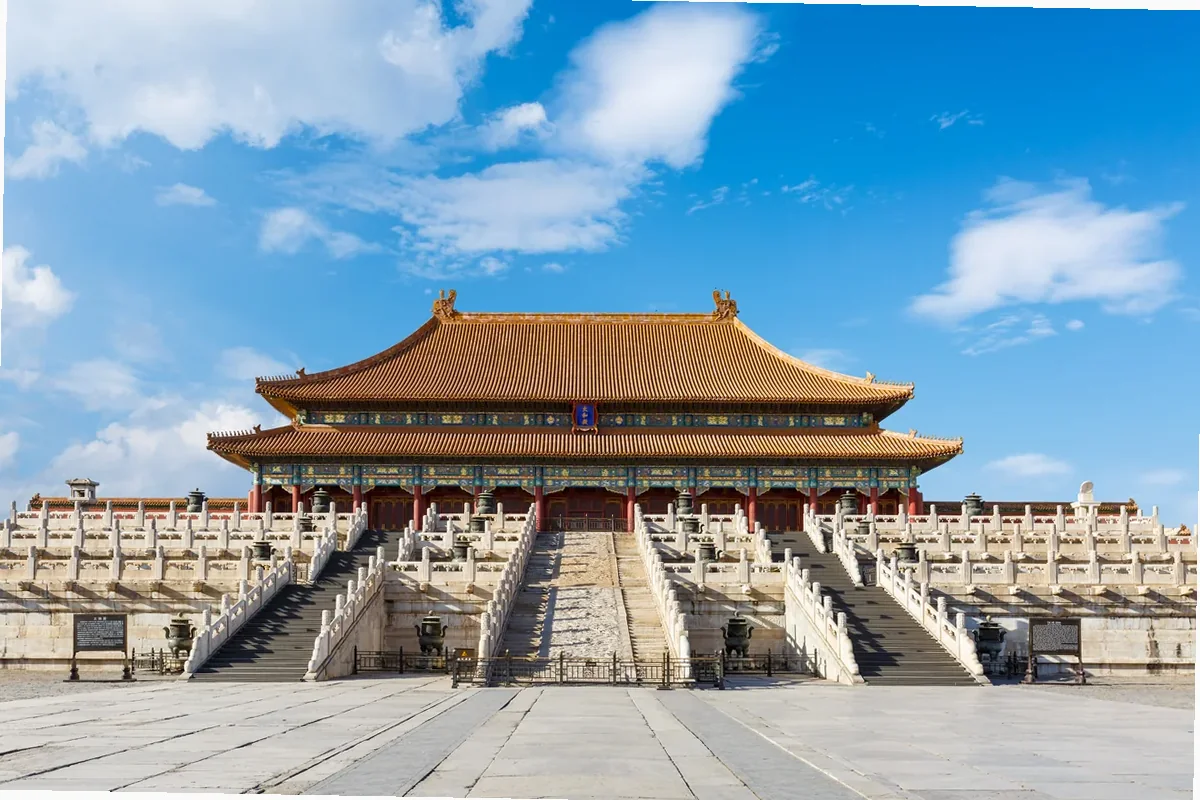
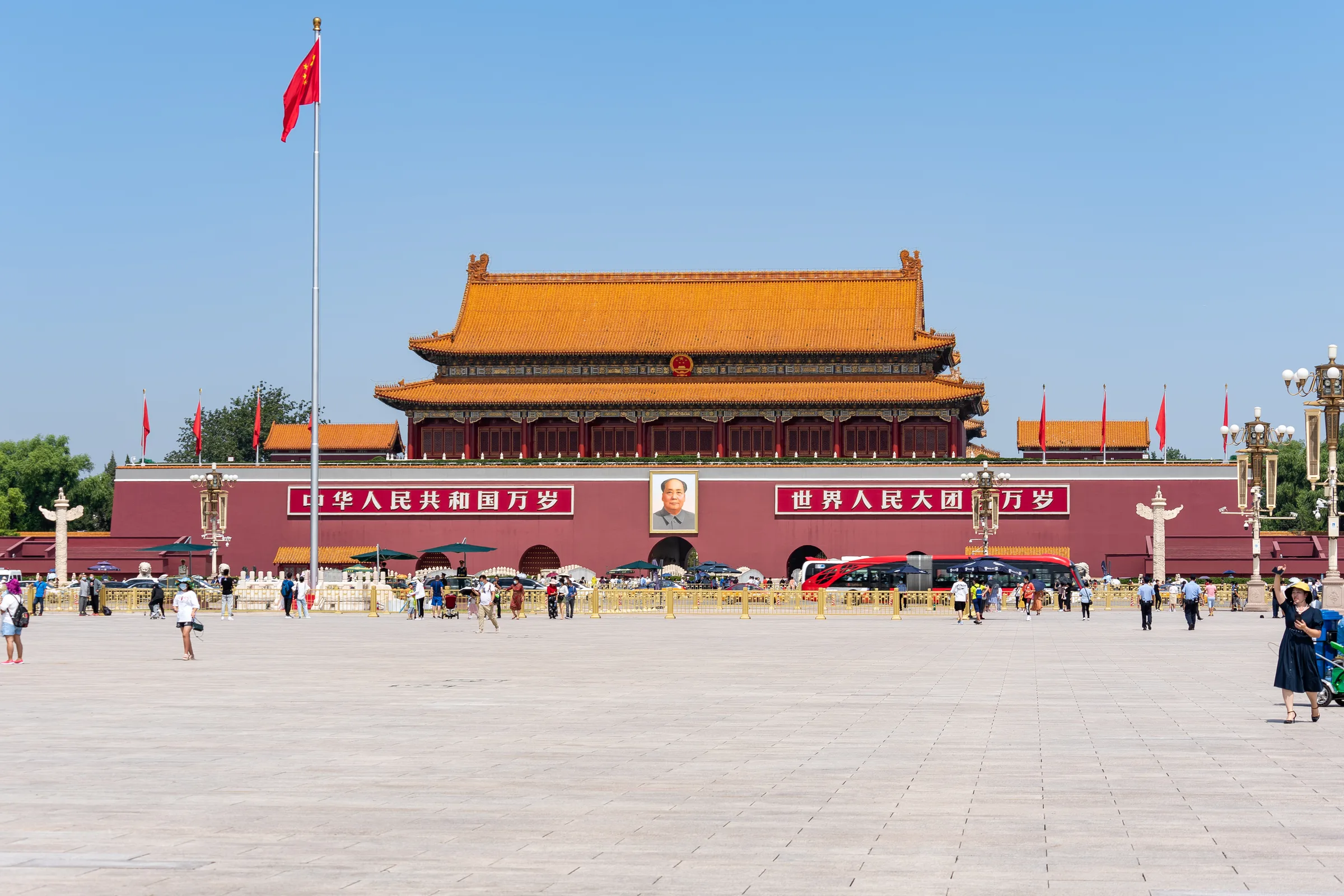
The imperial center suits a first visit focused on Beijing’s history. The Forbidden City is the main commitment; Jingshan can be an optional viewpoint after the northern exit if you still have the energy and its entry arrangements are confirmed. Tiananmen Square has its own visitor arrangements. Do not assume the palace ticket covers it.
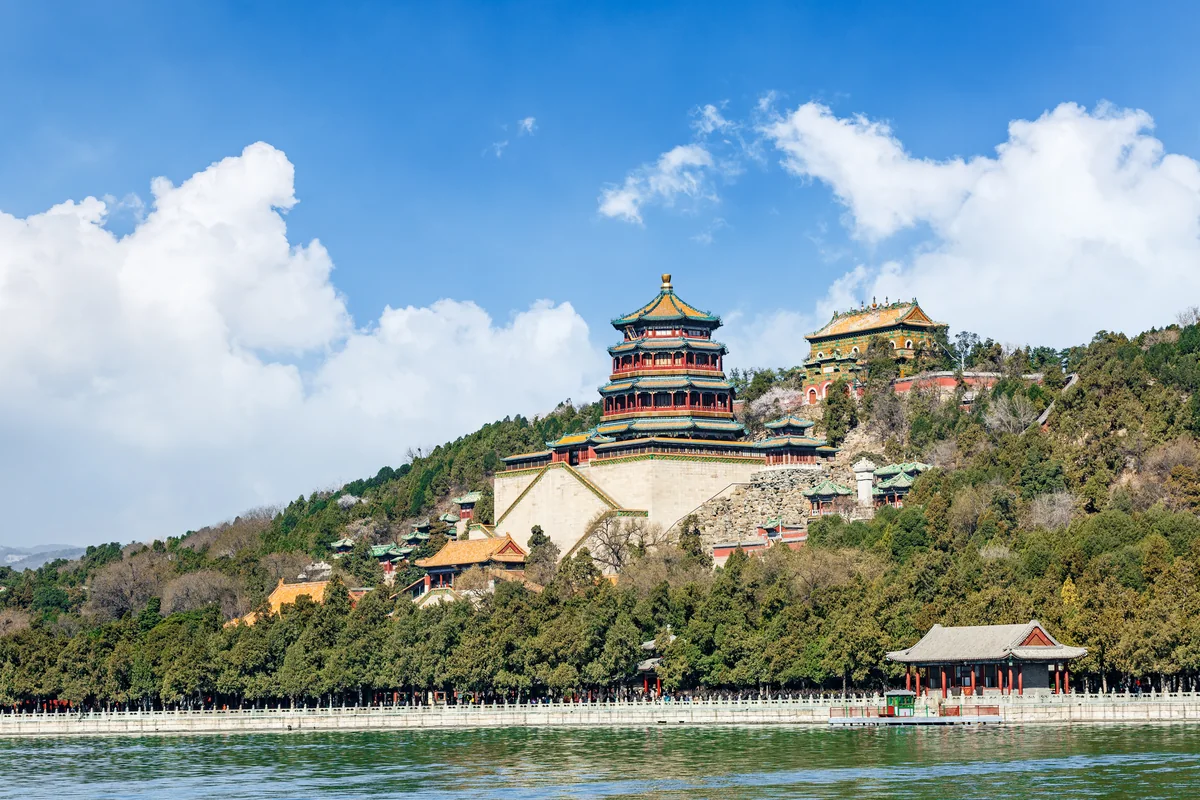
The Summer Palace deserves a substantial part of a day for its landscape and walking. Temple of Heaven is a different choice, centered on ritual architecture and park space. They sit in different parts of the city; combining them is possible, but it is a cross-city day rather than a gentle neighborhood stroll.
For a neighborhood day, choose the setting before the route. Shichahai suits a lakeside walk with adjoining lanes and optional historic sites. Houhai is one of its three lake areas, not a second destination to schedule separately. Use the existing Shichahai guide to choose a shore and starting point, or the hutong comparison to choose a different area. Keep residential entrances clear, ask before photographing people and do not enter a courtyard simply because its door is open.
Treat the Forbidden City as a half-day of walking even when the ticket is only for one site. Security, the distance from the south approach to the northern exit, and the time spent reading a few halls all add up. Jingshan is useful only if the group still wants a climb after that exit and the park ticket is already sorted. Tiananmen Square is a different visitor system; a palace confirmation does not walk you onto the square.
A garden day is not a lighter version of the palace. The Summer Palace is a landscape you walk: lakeside paths, a long corridor and a hill if you want the view. Temple of Heaven is a park of ritual buildings with its own gate and its own ticket. Put them on different days unless you have already accepted a cross-city transfer and a shorter stay at each.
A neighborhood day works when you pick one setting and stay with it. Shichahai is a lakes-and-lanes afternoon, not a second palace. A hutong walk is residential: keep doorways clear, ask before photographing people, and treat an open courtyard as someone’s home. If you want a museum instead of lanes, give that museum its own morning rather than sandwiching it between two outdoor sites.
Choose a shopping neighborhood without adding another full day
Wangfujing suits a central-city shopping break: its pedestrian street and established commercial buildings make it a practical place to compare shops or pause for a meal. Beijing’s official district guide names Wangfujing station on Line 1 as an approach. Check the particular shop or restaurant you want rather than expecting every business to share a closing time. Do not treat a shopping stop as proof of access to the nearby palace or square.
Sanlitun is a different choice for an evening focused on contemporary shopping and dining, centered on Taikoo Li and Sanlitun SOHO. Choose it because those plans appeal to you, not as a compulsory stop between imperial sights. Confirm the exact meeting point for a car and your return journey before staying late. The district guide gives a Line 10 approach from Tuanjiehu; check the final walk on a current map.
For either area, compare the journey from your hotel and leave time to enjoy one place. A traveler looking for one meal or a short shopping stroll does not need to cross the city to visit both. If a particular craft or food is your interest, start with its specialist guide and check the business directly.
Use shopping as a pause, not as a third sightseeing district. Wangfujing sits on the central-city side and is easy to reach after a palace morning if you still have energy for a pedestrian street and a meal. It does not replace a hutong walk and it does not include Tiananmen or the Palace Museum.
Sanlitun is an evening neighborhood: contemporary shops, outdoor dining and a later return. It sits on the east side. If your hotel is already there, you do not need a special plan. If your hotel is in Xicheng or near the lakes, decide whether the ride is worth one dinner.
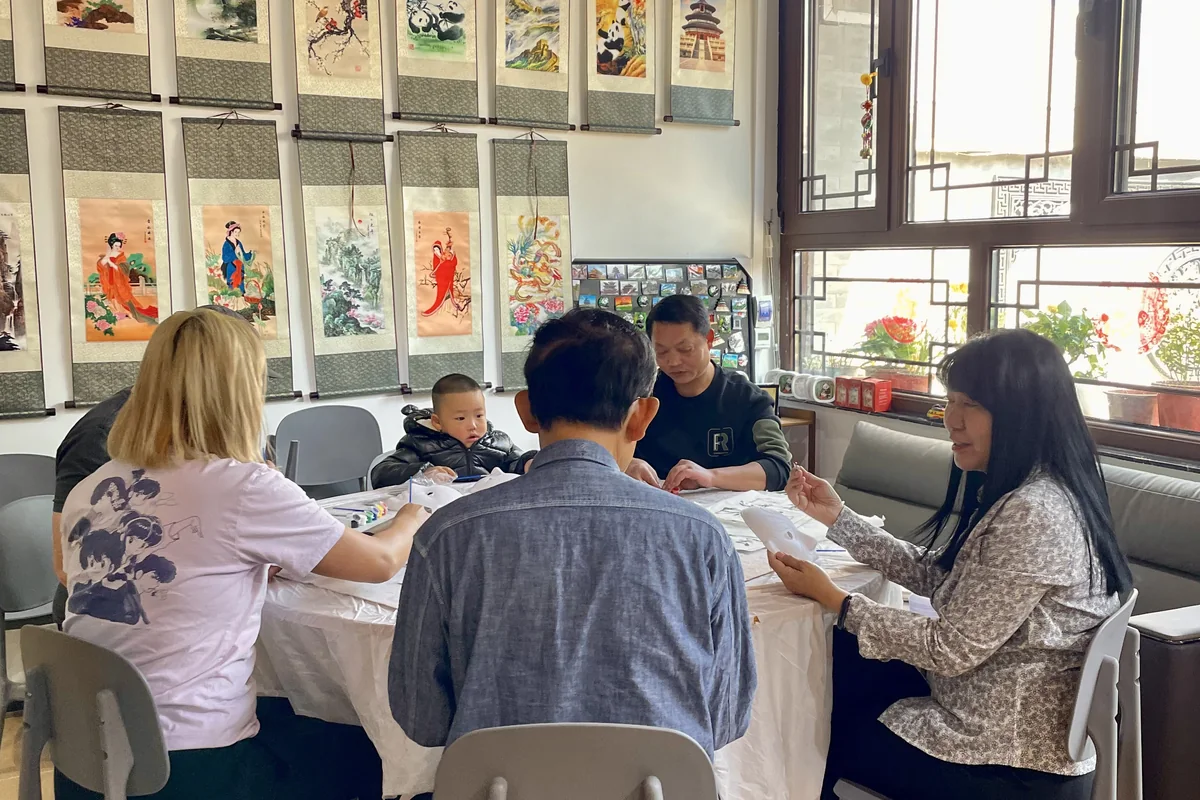
Craft, tea and clothing are better planned from the specialist guide that names the shop, not from a district label. Confirm opening hours with the business. A pedestrian street at 9 p.m. can still leave the workshop you wanted already closed.
Check reservations before choosing the order
The Palace Museum’s official visitor page says that it does not sell tickets on the day of the visit. It normally closes on Mondays, with holiday exceptions, and asks foreign visitors for passport details when booking. Start here if the Forbidden City is your priority, then place flexible outdoor time around the confirmed visit.
Museum, garden and temple rules differ. A park remaining open into the evening does not mean its halls or ticketed courtyards do. Carry the identification used to book and check the individual attraction’s official notices again shortly before travel. If a reservation is unavailable, choose another day or another sight; a driver or guide cannot guarantee entry.
Order the bookings by scarcity, not by the order you hope to walk. The Palace Museum is the usual first lock: no same-day tickets on the official visitor page, a normal Monday closure, and passport details for foreign visitors. Once that date exists, you can place the Great Wall, a garden or a neighborhood around it.
National-level museums, some mansion museums and some park interiors also want a dated reservation. A park that stays open in the evening can still close its halls earlier. Carry the same identification you used to book. A screenshot of a passport is not a substitute when the gate asks for the document.
If the date you want is gone, move the day or move the sight. Do not keep the hotel night and hope a driver can talk you in. Share the tickets you already hold when you ask about a private plan so we do not rebuild a day that is already fixed.
One full day: One major sight, then a nearby neighborhood
Two full days: The wall or a second city area, not both on the same afternoon
Three full days: Palace, a separate wall day, and one other city area
Reservations: Book the scarce ticket before you fill the rest of the day
Airports: PEK and PKX need different rides. The hotel plan can stay the same.
Choose a base that fits the route
Pick a hotel for the journeys you expect to repeat. Check the walk from its actual entrance to a subway station, the station’s lines and the final walk to each attraction. A hotel described as central can still leave you with long road crossings or a tiring approach with luggage.
The subway is a useful starting point for independent city days. A taxi or private vehicle can help with luggage, a distant pickup or a group with mixed walking needs, but it cannot remove the walking inside palace grounds. For every major stop, decide where you will finish as well as where you will enter.
Beijing has two major airports. Confirm PEK or PKX from the flight details before arranging transport, and leave arrival-day sightseeing flexible. For a connection between flights, use the layover guide instead of treating all hours between landing and departure as sightseeing time.
Map the repeated journeys, not the tourist-map center. A Wangfujing hotel shortens the palace side and leaves the Summer Palace as a longer westbound ride. A hutong address shortens evening lanes and can add stairs and a luggage carry. Sanlitun shortens dinner and east-side evenings. An airport hotel solves the flight, not the Forbidden City.
On independent city days the subway is usually enough if you can manage the station walk and a payment method before you reach the gate. A private car helps with luggage, mixed walking speeds, a distant gate or a day that already includes the wall or the tombs. It does not remove the walking inside the palace or the garden.
Save the permitted entrance, not a pin in the middle of the park. Agree the pickup the same way. PEK and PKX are different airports with different rides; reuse the hotel plan, not the transfer you used last time.
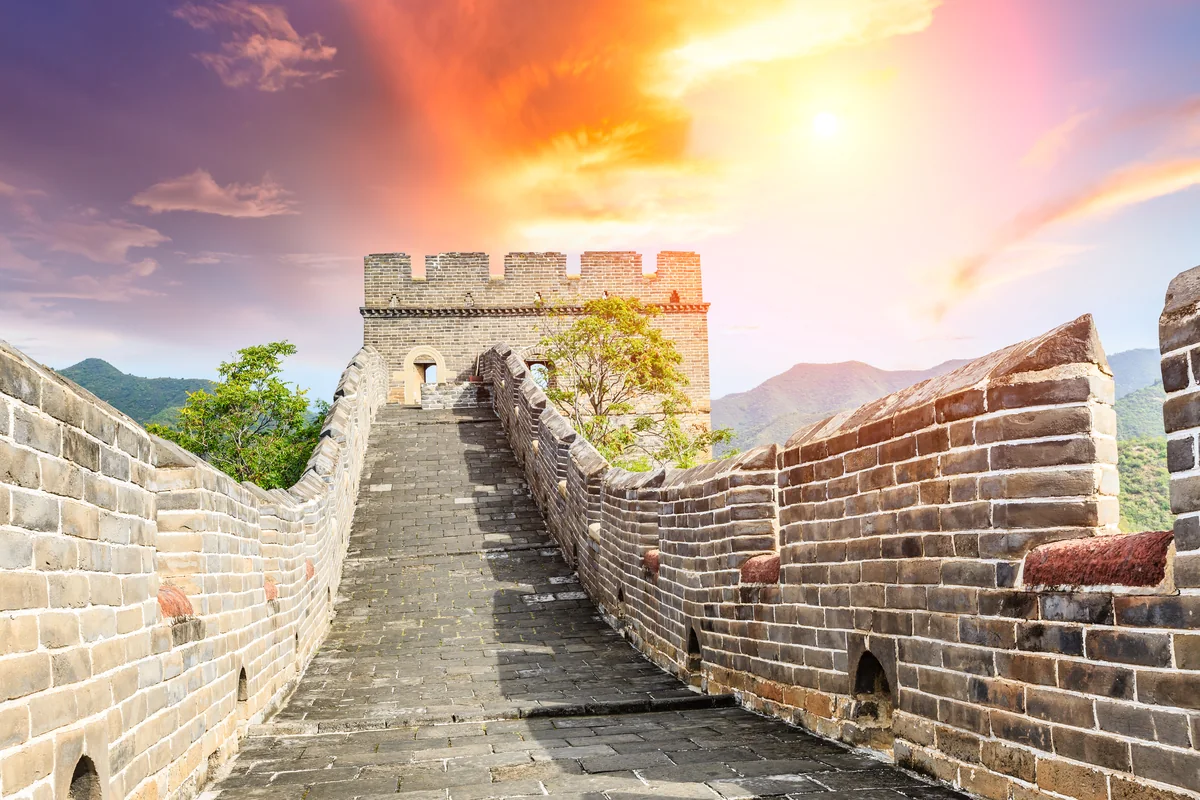
A city hotel does not make the Great Wall a quick neighborhood excursion. Choose the section, walking level and transport together, then keep that outing separate from a substantial palace visit. This hub links to the dedicated Great Wall guide for section-specific access and route advice.
For places beyond Beijing, compare the whole journey: station or road transfer, time at the destination, the return and whether an overnight stay would be more comfortable. Add a surroundings guide only when its route and visitor details are confirmed; a long list of possible destinations is not an itinerary.
Choose the wall section for the walk you want, not for the name you remember from a photograph. Mutianyu is the comfort-first restored day for many first-time visitors. Badaling is busier and closer to the northwest corridor. Jinshanling and other hiking sections ask for more time and more stairs. The dedicated Great Wall guide is where those choices belong; this hub only needs you to keep the wall off the palace afternoon.
Surroundings days — Chengde, Tianjin, the Eastern Qing Tombs, a gorge or a ski hill — are full outings. Count rail or road time in both directions and decide whether the return still leaves a usable evening. An overnight is the honest shape when two major landscapes sit on the same corridor.
Do not add a surroundings name because it appeared on a list. Open the individual guide, check the current visitor notice, and only then put it on a dated day. A long wish list is research, not an itinerary.
The second day disappears. Give the wall its own day or leave it for another trip.
Booking the hotel before the scarce ticket
A Forbidden City day that is not available should move the hotel nights, not the other way around.
One transfer for both airports
PEK and PKX are different airports. Reuse the hotel, not the arrival ride.
A private car for every hour
Use the subway where the gate is easy, and ask for a car where the site sits outside the center.
Choose the amount of help you want
You may only need a transfer, or you may want a guide to connect the history and arrange the day around your group’s pace. Describe the problem you want help with: a difficult airport connection, a palace-focused day, stairs that need avoiding or several travelers with different interests.
Send your dates, hotel area, group size and must-see places. Mention any tickets already held and any walking limits. We can discuss a practical plan and quote the requested services; attraction entry remains subject to the attraction’s own availability.
Independent travelers can run this hub as a reading list: book the scarce ticket, choose a hotel for the repeated ride, and use the subway on city days. Ask for a driver where the gate is far from a simple station, and ask for a guide where the history or the pacing of a mixed group matters.
The useful enquiry is short and specific: dates, hotel area or airport, group size, walking limits, tickets already held, and the one or two things you will not skip. We can then say whether two days fit, whether the wall needs its own day, and what a private plan would include. Attraction entry still follows the attraction’s own rules.
If you already know you want a quoted outline rather than a self-guided plan, start from the Beijing tour pages and send the same details. The guides on this hub stay useful either way — they are how you decide what to ask for.
Yes. Use the individual guides to plan reservations and transport yourself. Ask for help where it adds value to your trip rather than assuming every city day needs a vehicle.
Start with the scarce, date-specific visit that matters most, then make sure the hotel and travel dates work with it. Flexible walks can follow later; check cancellation terms separately.
No. Confirm PEK or PKX and the terminal from your flight details before choosing transport. Keep arrival-day sightseeing flexible.
Give one day to a single city anchor. Give the second day either to the Great Wall or to a second city area. Doing both on the same afternoon wastes the extra day.
A palace day, a separate Great Wall day and one other city area, in the order your reservations allow.
For the Great Wall, the Ming Tombs and other sites where the gate is far from a simple subway exit. A central museum day does not require a car for every hop.
Three full days is the comfortable first-time shape: a palace day, a separate Great Wall day and one other city area. Two full days still work if you choose the wall or a second city area, not both on the same afternoon. One full day should hold a single major reservation and a nearby walk.
No. The palace ticket is the palace. Tiananmen Square has its own visitor arrangements. Jingshan is a separate park ticket and a climb after the northern exit, useful only if the group still wants it.
You can, but it is a cross-city day with a shorter stay at each. On a first visit it is usually better to give the landscape or the ritual park its own space and keep the other for another day.
Book the palace date first if that visit is the reason for the trip. The official visitor page does not sell same-day tickets and lists a normal Monday closure. Then check that the hotel nights match the open day you actually hold.
The subway is enough for many central museum, temple and neighborhood days once you have a payment method and can manage the station walk. A private car is more useful for the Great Wall, the Ming Tombs, airport luggage and any group that should not change trains at midday.
Share your dates, hotel area or arriving airport, group size, walking limits, tickets already held and the sights you will not skip. We can then say whether the days fit and quote the services you asked for. Entry still depends on each attraction’s own availability.
Visitor information sources
Checked on 2026-10-18. Read the attraction’s latest notices before travel.